[1] Bosch R, Philips N, Suarez-Perez JA, et al. Mechanisms of photoaging and cutaneous photocarcinogenesis, and photoprotective strategies with phytochemicals. Antioxidants (Basel). 2015 Mar 26;4(2):248-68.
[2] Andreea, S. I., Marieta, C., & Anca, D. (2008). AGEs and Glucose Levels Modulate Type I and III Procollagen mRNA Synthesis in Dermal Fibroblasts Cells Culture. Experimental Diabetes Research, 2008, 1–7.
[3] Noordam R, Gunn DA, Tomlin CC, et al. High serum glucose levels are associated with a higher perceived age. Age (Dordr). 2013 Feb;35(1):189-95.
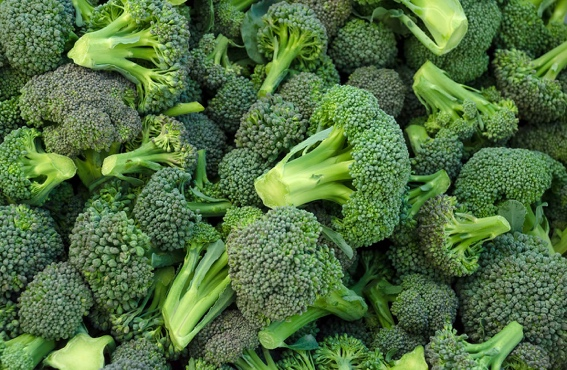
[4] Riso P, Martini D, Moller P, et al. DNA damage and repair activity after broccoli intake in young healthy smokers. Mutagenesis. 2010 Nov;25(6):595-602.
[5] Carlsen MH, Halvorsen BL, Holte K, et al. The total antioxidant content of more than 3100 foods, beverages, spices, herbs and supplements used worldwide. Nutr J. 2010 Jan 22; 9(3).
[6] Chun OK, Chung SJ, Claycombe KJ, et al. Serum C-reactive protein concentrations are inversely associated with dietary flavonoid intake in U.S. adults. J Nutr. 2008 Apr;138(4):753-60.
[7] Watzl B, Kulling SE, Moseneder J, et al. A 4-wk intervention with high intake of carotenoid-rich vegetables and fruit reduces plasma C-reactive protein in healthy, nonsmoking men. Am J Clin Nutr. 2005 Nov;82(5):1052-8.
[8] Hermsdorff HH, Zulet MA, Abete I, et al. A legume-based hypocaloric diet reduces proinflammatory status and improves metabolic features in overweight/obese subjects. Eur J Nutr. 2011 Feb;50(1):61-9.
[9] Ramel A, Martinez JA, Kiely M, et al. Effects of weight loss and seafood consumption on inflammation parameters in young, overweight and obese European men and women during 8 weeks of energy restriction. Eur J Clin Nutr. 2010 Sep;64(9):987-93.
[10] Masters RC, Liese AD, Haffner SM, et al. Whole and refined grain intakes are related to inflammatory protein concentrations in human plasma. J Nutr. 2010 Mar;140(3):587-94.
[11] Ma Y, Hebert JR, Li W, et al. Association between dietary fiber and markers of systemic inflammation in the Women’s Health Initiative Observational Study. Nutrition. 2008 Oct;24(10):941-9.
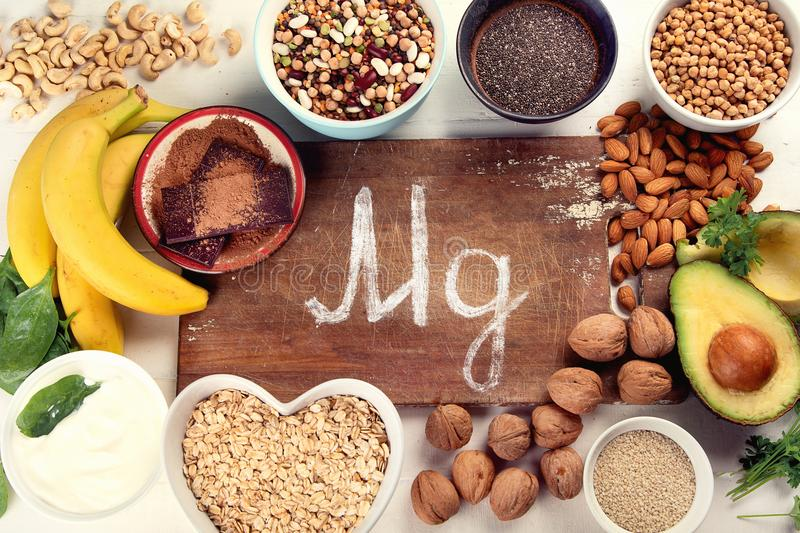
[12] Chacko SA, Song Y, Nathan L, et al. Relations of dietary magnesium intake to biomarkers of inflammation and endothelial dysfunction in an ethnically diverse cohort of postmenopausal women. Diabetes Care. 2010 Feb;33(2):304-10.
[13] Kim SR, Jung YR, An HJ, et al. Anti-wrinkle and anti-inflammatory effects of active garlic components and the inhibition of MMPs via NF-kappaB signaling. PLoS One. 2013 8(9):e73877.
[14] Lim H, Kim HP. Inhibition of mammalian collagenase, matrix metalloproteinase-1, by naturally-occurring flavonoids. Planta Med. 2007 Oct;73(12):1267-74.
[15] Kim HH, Shin CM, Park CH, et al. Eicosapentaenoic acid inhibits UV-induced MMP-1 expression in human dermal fibroblasts. J Lipid Res. 2005 Aug;46(8):1712-20.
[16] Thring TS, Hili P, Naughton DP. Anti-collagenase, anti-elastase and anti-oxidant activities of extracts from 21 plants. BMC Complement Altern Med. 2009 Aug 4; 9:27.
[17] Allen RW, Schwartzman E, Baker WL, et al. Cinnamon use in type 2 diabetes: an updated systematic review and meta-analysis. Ann Fam Med. 2013 Sep-Oct; 11(5):452-9.
[18] Imokawa G. Recent advances in characterizing biological mechanisms underlying UV-induced wrinkles: a pivotal role of fibrobrast-derived elastase. Arch Dermatol Res. 2008 Apr;300 Suppl 1:S7-20.
[19] Srinivasan K. Plant foods in the management of diabetes mellitus: spices as beneficial antidiabetic food adjuncts. Int J Food Sci Nutr. 2005 Sep;56(6):399-414.
[20] Shishehbor F, Mansoori A, Shirani F. Vinegar consumption can attenuate postprandial glucose and insulin responses; a systematic review and metaanalysis of clinical trials. Diabetes Res Clin Pract. 2017 May;127:1-9.
[21] Hernández-Alonso P, Salas-Salvadó J, Baldrich Mora M, et al. Beneficial effect of pistachio consumption on glucose metabolism, insulin resistance, inflammation, and related metabolic risk markers: a randomized clinical trial. Diabetes Care. 2014 Nov;37(11):3098-105.
[22] Kiho T, Usui S, Hirano K, et al. Tomato paste fraction inhibiting the formation of advanced glycation end-products. Biosci Biotechnol Biochem. 2004 Jan;68(1):200-5.
[23] Huang CN, Horng JS, Yin MC. Antioxidative and antiglycative effects of six organosulfur compounds in low-density lipoprotein and plasma. J Agric Food Chem. 2004 Jun 2;52(11):3674-8.
[24] Saraswat M, Reddy PY, Muthenna P, et al. Prevention of non-enzymic glycation of proteins by dietary agents: prospects for alleviating diabetic complications. Br J Nutr. 2009 Jun;101(11):1714-21.
[25] Lunceford N, Gugliucci A. Ilex paraguariensis extracts inhibit AGE formation more efficiently than green tea. Fitoterapia. 2005 Jul;76(5):419-27.
[26] Peng X, Cheng KW, Ma J, et al. Cinnamon bark proanthocyanidins as reactive carbonyl scavengers to prevent the formation of advanced glycation endproducts. J Agric Food Chem. 2008 Mar 26;56(6):1907-11.
[27] Sajithlal GB, Chithra P, Chandrakasan G. Effect of curcumin on the advanced glycation and cross-linking of collagen in diabetic rats. Biochem Pharmacol. 1998 Dec 15;56(12):1607-14.
[28] Hsieh CL, Peng CH, Chyau CC, et al. Low-density lipoprotein, collagen, and thrombin models reveal that Rosemarinus officinalis L. exhibits potent antiglycative effects. J Agric Food Chem. 2007 Apr 18;55(8):2884-91.
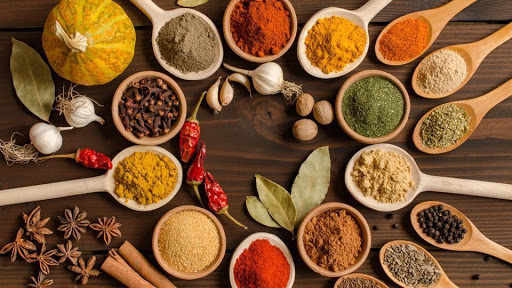
[29] Starowicz M, Zielinski H. Inhibition of advanced glycation end-product formation by high antioxidant-leveled spices commonly used in European cuisine. Antioxidants (Basel). 2019 Apr 15;8(4).
[30] Wu CH, Yen GC. Inhibitory effect of naturally occurring flavonoids on the formation of advanced glycation endproducts. J Agric Food Chem. 2005 Apr 20;53(8):3167-73.
[31] Wu CH, Yeh CT, Shih PH, et al. Dietary phenolic acids attenuate multiple stages of protein glycation and high-glucose-stimulated proinflammatory IL-1beta activation by interfering with chromatin remodeling and transcription in monocytes. Mol Nutr Food Res. 2010 Jul;54 Suppl 2:S127-40.
[32] Uribarri J, Woodruff S, Goodman S, et al. Advanced glycation end products in foods and a practical guide to their reduction in the diet. J Am Diet Assoc. 2010 Jun;110(6):911-16 e12.
[33] Turnbaugh PJ, Ridaura VK, Faith JJ, et al. The effect of diet on the human gut microbiome: a metagenomic analysis in humanized gnotobiotic mice. Sci Transl Med. 2009 Nov 11;1(6):6ra14.
[34] Makki K, Deehan EC, Walter J, et al. The impact of dietary fiber on gut microbiota in host health and disease. Cell Host Microbe. 2018 Jun 13;23(6):705-15.
[35] Flint HJ, Duncan SH, Louis P. The impact of nutrition on intestinal bacterial communities. Curr Opin Microbiol. 2017 Aug;38:59-65.
[36] Bell V, Ferrao J, Pimentel L, et al. One health, fermented foods, and gut microbiota. Foods. 2018 Dec 3;7(12).