目录
●Chapter 1 Introduction
●1.1 Inferenang as the Research Topic
●1.1.1 Inferencing as the major part of cognitive pragmatics
●1.1.2 The categories of inferencing
●1.1.3 Preliminary definition of inferencing.
●1.2 0bjectives of the Research
●1.3 Signifcance of the Research
●1.4 Methodology and Data
●1.5 Organization of the Research
●Chapter 2 Previous Studies onlnferencing
●2.1 Classical Pragmatic Inference
●2.1.1 Grice's theory of implicature
●2.1.2 Searle's indirect speech acts
●2.1.3 Horn's two principles of conversational implicature
●2.1.4 Levinson's three principles of conversational implicature
●2.2 Relevance Theory
●2.2.1 Ostensive-inferential communication
●2.2.2 Relevance and optimal relevance
●2.2.3 A dynamic view of context
●2.2.4 Informative intention and communicative intention......
内容介绍
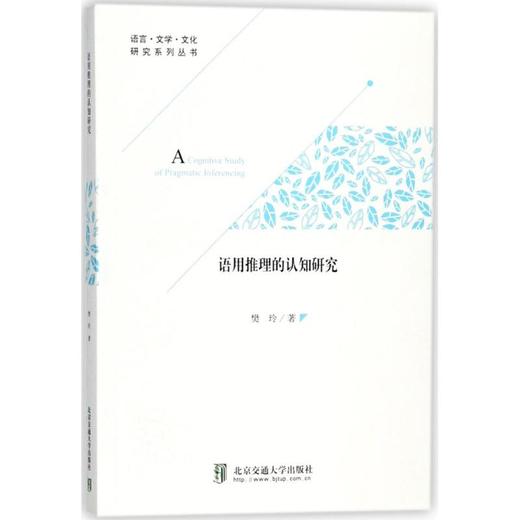
《语用推理的认知研究/语言·文学·文化,研究系列丛书》融合了理性原则、概念整合理论和动态语境的认知语用研究,确立了以"动态整合"为核心的认知语用推理理论框架,分析了语用推理的认知运作机制。《语用推理的认知研究/语言·文学·文化,研究系列丛书》主要从三个方面探讨了交际过程中推理的动态整合过程,包括所意图、所言说和所隐含。《语用推理的认知研究/语言·文学·文化,研究系列丛书》运用"动态整合推理"模式将信息、社会和情感等意图的交际效果分为成功和失败两类,并对其原因作了认知分析。《语用推理的认知研究/语言·文学·文化,研究系列丛书》或可为今后继续研究语用推理提供一些理论思考。