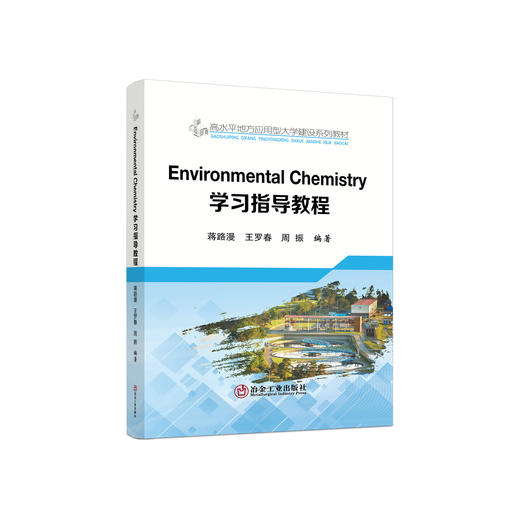
Environmental Chemistry 学习指导教程/蒋路漫、王罗春、周振
| 运费: | ¥ 10.00-25.00 |
| 库存: | 30 件 |
商品详情
Environmental Chemistry 学习指导教程/蒋路漫、王罗春、周振
定价:40.00元
出版时间:2022-08
ISBN:978-7-5024-9077-5
9787502490775
内容提要
本书采用英中文对照形式,帮助学生在理解环境化学专业知识的基础上,读懂专业英语。全书共分为5章,内容包括环境化学与环境五大圈层、大气圈环境化学、水圈环境化学、地圈环境化学、生物圈环境化学。各章内容由知识框架、重要名词和术语解析、本章习题及详解3部分组成。
本书可作为高等院校环境科学、环境工程专业英语课教材,也可供相关科研人员参考。
目录
1Environmental Chemistry and the Five Spheres of the Environment环境化学与环境五大圈层
1.1the Earth and the Earth System
地球与地球系统
1.2Biogeochemical Cycles in the Earth System
地球系统中的生物地球化学循环
1.3Natural Capital of the Earth System
地球系统的自然资本
1.4What is Environmental Chemistry?
什么是环境化学?
1.5Environmental Chemistry of Air and the Atmosphere
大气与大气环境化学
1.6Environmental Chemistry of Water and the Hydrosphere
水与水圈的环境化学
1.7Environmental Chemistry of the Geosphere
地圈的环境化学
1.8Environmental Chemistry of the Anthrosphere
人类活动圈环境化学
1.9Environmental Chemistry of the Biosphere
生物圈环境化学
Exercises
习题
2Environmental Chemistry of the Atmosphere
大气圈环境化学
2.1The Atmosphere and Atmospheric Chemistry
大气与大气化学
2.1.1The Atmospheric Composition and the Main Pollutants
大气组成与主要污染物
2.1.2How the Atmosphere Got That Way and its Natural Capital
大气如何发展及其自然资本
2.1.3Physical Characteristics of the Atmosphere
大气的物理特征
2.1.4Energy Transfer in the Atmosphere
大气中的能量转移
2.1.5Atmospheric Mass Transfer,Meteorology and Weather
大气传质、气象和天气
2.1.6Inversions and Air Pollution
逆温与空气污染
2.1.7Global Climate and Microclimate
全球气候与微气候
2.1.8Chemical and Photochemical Reactions
化学和光化学反应
2.1.9Acid-Base Reactions in the Atmosphere
大气中的酸碱反应
2.1.10Reactions of Atmospheric Oxygen
大气中的氧的反应
2.1.11Reactions of Atmospheric Nitrogen
大气中的氮的反应
2.1.12Atmospheric Water
大气中的水
2.1.13Influence of the Anthrosphere
人类活动圈的影响
2.1.14Chemical Fate and Transport in the Atmosphere
大气中的化学归宿和迁移
2.2Particles in the Atmosphere
大气颗粒物
2.2.1Particles in the Atmosphere
大气中的粒子
2.2.2Physical Behavior of Atmospheric Particles
大气颗粒的物理行为
2.2.3Physical Processes for Particle Formation
粒子形成的物理过程
2.2.4Chemical Processes for Particle Formation
颗粒形成的化学过程
2.2.5The Composition of Inorganic Particles
无机颗粒的组成
2.2.6Toxic Metals in the Atmosphere
大气中的有毒金属
2.2.7Radioactive Particles
放射性粒子
2.2.8Organic Particles in the Atmosphere
大气中的有机粒子
2.2.9Effects of Particles
粒子的影响
2.2.10Water as Particulate Matter
水作为颗粒物
2.2.11Control of Particle Emissions
颗粒物排放的控制
2.3Gaseous Inorganic Pollutants
气态无机污染物
2.3.1Inorganic Pollutant Gases
无机污染物气体
2.3.2Production and Control of Carbon Monoxide
一氧化碳的产生与控制
2.3.3Fate of Atmospheric CO
大气中一氧化碳的归宿
2.3.4Sulfur dioxide Sources and the Sulfur Cycle
二氧化硫的来源和硫循环
2.3.5Sulfur Dioxide Reactions in the Atmosphere
大气中的二氧化硫反应
2.3.6Nitrogen Oxides in the Atmosphere
大气中的氮氧化物
2.3.7Acid Rain
酸雨
2.3.8Ammonia in the Atmosphere
大气中的氨
2.3.9Fluorine,Chlorine and their Gaseous Compounds
氟、氯及其气态化合物
2.3.10Reduced Sulfur Gases
还原的硫气体
2.4Organic Air Pollutants
有机大气污染物
2.4.1Organic Compounds in the Atmosphere
大气中的有机化合物
2.4.2Biogenic Organic Compounds in the Atmosphere
大气中的生物有机化合物
2.4.3Pollutant Hydrocarbons
碳氢化合物污染物
2.5Photochemical Smog
光化学烟雾
2.5.1Introduction
简介
2.5.2Smog-Forming Emissions
烟雾形成排放
2.5.3Smog-Forming Reactions of Organic Compounds in the Atmosphere
大气中有机化合物的烟雾形成反应
2.5.4Overview of Photochemical Smog Formation
光化学烟雾形成概述
2.5.5Mechanisms of Smog Formation
烟雾形成机理
2.5.6Reactivity of Hydrocarbons
碳氢化合物的反应性
2.5.7Importance of HOx/VOC Ratios
HOx/VOC比的重要性
2.5.8Inorganic Products from Smog
烟雾的无机产物
2.5.9Effects of Smog
烟雾的影响
2.6The Endangered Global Atmosphere
面临危险的全球大气
2.6.1Saving the Atmosphere to Save Ourselves
拯救大气,拯救我们自己
2.6.2the Earths Evolving Atmosphere and Climate Change
地球不断演变的大气与气候变化
2.6.3Effects of the Anthrosphere on Atmosphere and Climate
人类活动圈对大气和气候的影响
2.6.4The Greatest Threat to the Atmosphere and the Earth System:
Global Warming
对大气和地球系统的最大威胁:全球变暖
2.6.5Green Science and Technology to Alleviate Global Warming
缓解全球变暖的绿色科学技术
2.6.6Acid Rain
酸雨
2.6.7Stratospheric Ozone Destruction
平流层臭氧破坏
2.6.8Atmospheric Brown Clouds
大气棕云
2.6.9Atmospheric Damage by Photochemical Smog
光化学烟雾对大气的损害
2.6.10The Urban Aerosol
城市气溶胶
2.6.11What can be done?
我们能做什么?
Exercises
习题
3Environmental Chemistry of the Hydrosphere
水圈环境化学
3.1The Hydrosphere and Water Chemistry
水圈和水化学
3.1.1Water:An Essential Part of Earths Natural Capital
水:地球自然资本的重要组成部分
3.1.2Sources and Uses of Water
水的来源和用途
3.1.3H2O:Simple Formula,Remarkable Molecule
H2O:简单的化学式,杰出的分子
3.1.4Life in Water(Biota)
水中生物(生物群)
3.1.5Introduction to Aquatic Chemistry
水化学简介
3.1.6Gases in Water
水中的气体
3.1.7Water Acidity and Carbon Dioxide in Water
水中的酸度和二氧化碳
3.1.8Alkalinity
碱度
3.1.9Calcium and Other Metal Ions in Water
水中的钙和其他金属离子
3.1.10Complexation and Chelation
络合与螯合
3.1.11Bonding and Structure of Metal Complexes
金属配合物的键合与结构
3.1.12Calculations of Species Concentrations
物种浓度的计算
3.1.13Complexation by Deprotonated Ligands
去质子配体的络合
3.1.14Complexation by Protonated Ligands
质子化配体的络合
3.1.15Solubilization of Lead Ion from Solids by NTA
NTA从固体中溶解铅离子
3.1.16Polyphosphates and Phosphonates in Water
水中的多磷酸盐和磷酸盐
3.1.17Complexation by Humic Substances
腐殖质的络合
3.1.18Complexation and Redox Processes
络合和氧化还原过程
3.2Oxidation/Reduction in Aquatic Chemistry
水化学中的氧化/还原
3.2.1The Significance of Oxidation/Reduction
氧化/还原的意义
3.2.2The Electron and Redox Reactions
电子和氧化还原反应
3.2.3Electron Activity and pE
电子活度和pE
3.2.4The Nernst Equation
能斯特方程
3.2.5Reaction Tendency:Whole Reaction from Half-Reactions
反应倾向:半反应引起的整个反应
3.2.6The Nernst Equation and Chemical Equilibrium
能斯特方程和化学平衡
3.2.7The Relationship of pE to Free Energy
pE与自由能的关系
3.2.8Reactions in Terms of One Electron-Mole
一个电子摩尔的反应
3.2.9The Limits of pE in Water
水中pE的限值
3.2.10pE Value in Natural Water Systems
天然水体系中的pE值
3.2.11pE-pH Diagrams
pE-pH图
3.2.12Humic Substances as Natural Reductants
腐殖质作为天然还原剂
3.2.13Photochemical Processes in Oxidation/Reduction
氧化/还原中的光化学过程
3.2.14Corrosion
腐蚀
3.3Phase Interactions in Aquatic Chemistry
水化学中的相间作用
3.3.1Importance and Formation of Sediments
沉积物的重要性和形成
3.3.2Solubilities
溶解度
3.3.3Colloidal Particles in Water
水中的胶体颗粒
3.3.4The Colloidal Properties of Clays
黏土的胶体性质
3.3.5Aggregation of Particles
粒子聚集
3.3.6Surface Sorption by Solids
固体表面吸附
3.3.7Solute Exchange with Bottom Sediments
与底部沉积物的溶质交换
3.3.8Interstitial Water
间隙水
3.3.9Phase Interactions in Chemical Fate and Transport
化学归宿和迁移中的相间作用
3.4Aquatic Microbial Biochemistry
水生微生物生物化学
3.4.1Aquatic Biochemical Processes
水生生化过程
3.4.2Algae
藻类
3.4.3Fungi
真菌
3.4.4Protozoa
原生动物
3.4.5Bacteria
细菌
3.4.6The Prokaryotic Bacterial Cell
原核细菌细胞
3.4.7Kinetics of Bacterial Growth
细菌生长动力学
3.4.8Bacterial Metabolism to Get Energy and Cellular Material
通过细菌代谢获取能量和细胞物质
3.4.9Microbial Transformations of Carbon
碳的微生物转化
3.4.10Biodegradation of Organic Matter
有机物的生物降解
3.4.11Microbial Transformations of Nitrogen
氮的微生物转化
3.4.12Microbial Transformations of Phosphorus and Sulfur
磷和硫的微生物转化
3.4.13Microbial Transformations of Halogens and Organohalides
卤素和有机卤化物的微生物转化
3.4.14Microbial Transformations of Metals and Metalloids
金属和准金属的微生物转化
3.5Water Pollutants and Water Pollution
水污染物和水污染
3.5.1Nature and Types of Water Pollutants
水污染物的性质和类型
3.5.2Elemental Pollutants
元素污染物
3.5.3Heavy Metals
重金属
3.5.4Metalloids
类金属
3.5.5Organically Bound Metals and Metalloids
有机结合的金属和准金属
3.5.6Inorganic Species
无机物
3.5.7Algal Nutrients and Eutrophication
藻类营养物和富营养化
3.5.8Acidity,Alkalinity and Salinity
酸度、碱度和盐度
3.5.9Oxygen,Oxidants and Reductants
氧、氧化剂和还原剂
3.5.10Organic Pollutants
有机污染物
3.5.11Pesticides in Water
水中的农药
3.5.12Organochlorine Compounds in Water
水中的有机氯化合物
3.5.13Emerging Water Pollutants,Pharmaceuticals and Household Wastes
新兴水污染物、药品和生活垃圾
3.5.14Radionuclides in the Aquatic Environment
水生环境中的放射性核素
Exercises
习题
4Environmental Chemistry of the Geosphere
地圈环境化学
4.1Geosphere and Geochemistry
地圈和地球化学
4.1.1The Fragile Solid Earth and its Relationship with the Other
Environmental Spheres
脆弱的固体地球及其与其他环境圈层的关系
4.1.2The Geosphere as a Source of Natural Capital
地圈作为自然资本的来源
4.1.3Effects of Human Activities on the Geosphere
人类活动对地圈的影响
4.1.4Air Pollution and the Geosphere
空气污染与地圈
4.1.5Water Pollution and the Geosphere
水污染与地圈
4.2Soil:Earths Lifeline
土壤:地球的生命线
4.2.1Have You Thanked a Clod Today?
今天你感谢土块了吗?
4.2.2Structure of Soil
土壤结构
4.2.3Composition of Soil
土壤成分
4.2.4Acid-Base and Ion-Exchange Reactions in Soil
土壤中的酸碱和离子交换反应
4.2.5Macronutrients in Soil
土壤中的大量养分
4.2.6Nitrogen,Phosphorus and Potassium in Soil
土壤中的氮、磷和钾
4.2.7Micronutrients in Soil
土壤中的微量营养素
4.2.8Fertilizers
肥料
4.2.9Pesticides and their Residues in Soil
土壤中的农药及其残留
4.2.10Wastes and Pollutants in Soil
土壤中的废物和污染物
4.2.11Soil Loss and Degradation
水土流失和退化
4.2.12Saving the Land
救治土地
4.2.13Green Chemistry and Sustainable Agriculture
绿色化学与可持续农业
4.2.14Genetics and Agriculture
遗传与农业
4.2.15Agriculture and Health
农业与健康
4.2.16Protecting the Food Supply from Attack
保护粮食供应不受攻击
Exercises
习题
5Environmental Chemistry of the Biosphere
生物圈环境化学
5.1The Biosphere:Environmental Biochemistry
生物圈:环境生物化学
5.1.1Life and the Biosphere
生命和生物圈
5.1.2Metabolism and Control in Organisms
生物体内的代谢与控制
5.1.3Reproduction and Inherited Traits
繁殖与遗传性状
5.1.4Stability and Equilibrium of Biosphere
生物圈的稳定和平衡
5.1.5Biochemistry
生物化学
5.1.6Biochemistry and the Cell
生物化学和细胞
5.1.7Proteins
蛋白质
5.1.8Carbohydrates
碳水化合物
5.1.9Lipids
脂质
5.1.10Enzymes
酶
5.1.11Nucleic Acids
核酸
5.1.12Recombinant DNA and Genetic Engineering
重组DNA与基因工程
5.1.13Metabolic Processes
代谢过程
5.1.14Metabolism of Xenobiotic Substances
异种物质的代谢
5.2Toxicological Chemistry
毒理化学
5.2.1Introduction to Toxicology and Toxicological Chemistry
毒理学与毒理化学概论
5.2.2Dose-Response Relationships
剂量反应关系
5.2.3Relative Toxicities
相对毒性
5.2.4Reversibility and Sensitivity
可逆性和敏感性
5.2.5Xenobiotic and Endogenous Substances
异源和内源性物质
5.2.6Toxicological Chemistry
毒理化学
5.2.7Kinetic Phase and Dynamic Phase
动力学阶段和动态阶段
5.2.8Teratogenesis,Mutagenesis,Carcinogenesis,and Effects on the Immune and Reproductive Systems
致畸、致突变、致癌作用及其对免疫和生殖系统的影响
5.2.9Health Hazards
健康危害
Exercises
习题
参考文献
- 冶金工业出版社图书旗舰店
- 冶金工业出版社,是国内历史最悠久的专业科技出版社之一。主要承担学术专著、技术著作、技术手册、专业辞书、大中专教材、职工培训教材、科普读物、人文社科、文集、史志、年鉴等图书的出版。
- 扫描二维码,访问我们的微信店铺