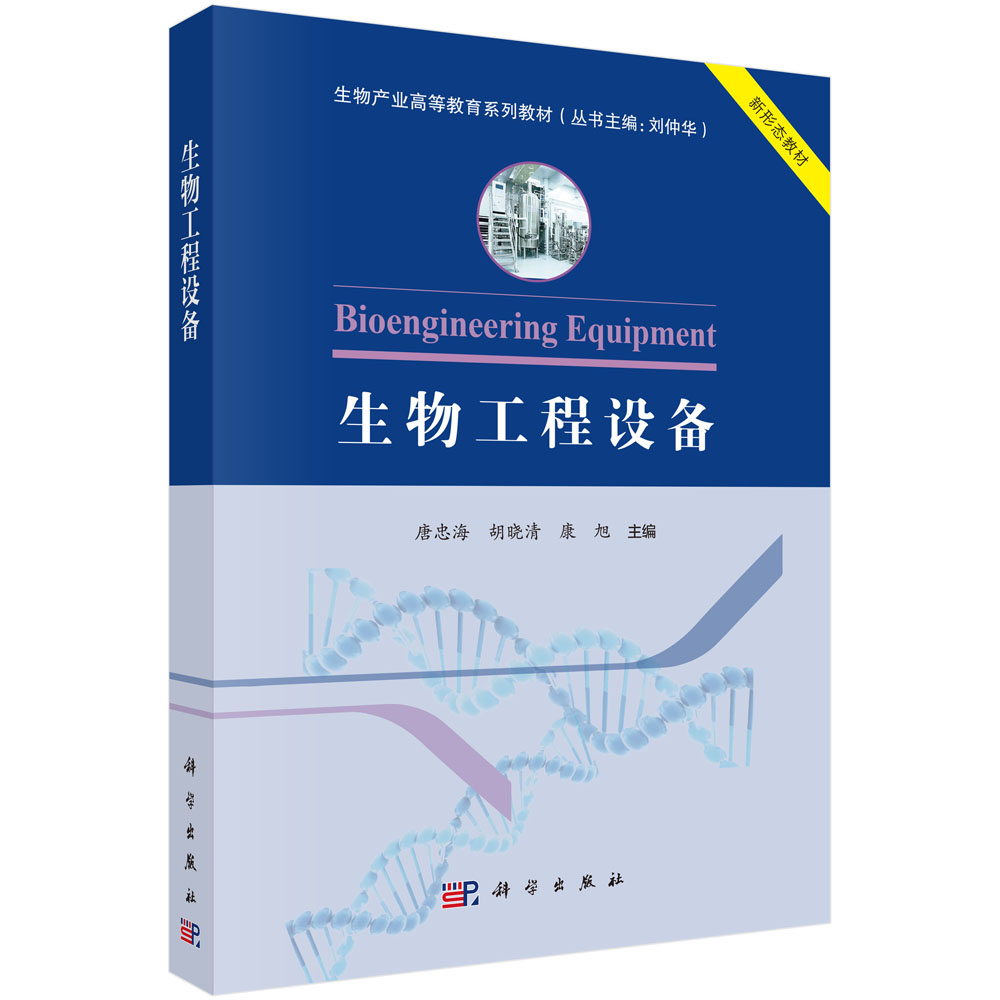
High Speed Railway Track Dynamics Models Algorithms and Applications Second Edition(高速铁路轨道动力学——模型、算法
¥235.42
| 运费: | ¥ 0.00-18.00 |




商品详情
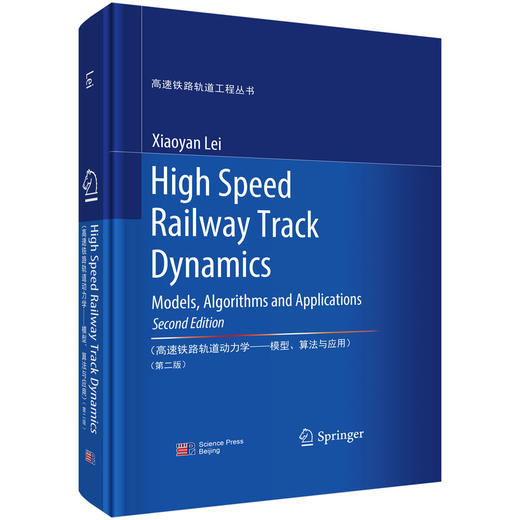
书名:High Speed Railway Track Dynamics Models,Algorithms and Applications Second Edition(高速铁路轨道动力学——模型、算法与应用(第二版))
定价:298.0
ISBN:9787030805751
版次:1
出版时间:2025-01
内容提要:
目录:
Contents
1 Track Dynamics Research Contents and Related Standards 1
1.1 A Review of Track Dynamics Research 1
1.2 Track Dynamics Research Contents 6
1.3 Limits for Safety and Riding Quality 7
1.3.1 Safety Limit for Regular Trains 7
1.3.2 Riding Quality Limits for Regular Trains 8
1.3.3 Safety and Riding Quality Limit for Rising Speed Trains 10
1.4 Standards of Track Maintenance for High-Speed Railway 11
1.4.1 Standards of Track Maintenance and Management for French High-Speed Railway 12
1.4.2 Standards of Track Maintenance and Management for Japanese Shinkansen High-Speed Railway 13
1.4.3 Standards of Track Maintenance and Management for German High-Speed Railway 13
1.4.4 Standards of Track Maintenance and Management for British High-Speed Railway 13
1.4.5 Standards of Measuring Track Geometry for Korean High-Speed Railway (Dynamic) 16
1.4.6 Standards of Track Maintenance and Management for Chinese High-Speed Railway 16
1.4.7 Dominant Frequency Range and Sensitive Wavelength of European High-Speed Train and Track Coupling System 18
1.5 Railway Environmental Noise Standards 19
1.5.1 Noise Evaluation Index 19
1.5.2 Railway Noise Standards in China 20
1.5.3 Railway Noise Standards in Foreign Countries 20
1.6 Railway Environmental Vibration Standards 21
1.6.1 Vibration Parameter and Evaluation Index 21
1.6.2 Environmental Vibration Standards in China’s Urban Areas 29
1.6.3 Limit for Building Vibration Caused by Urban Mass Transit 29
1.7 Vibration Standards of Historic Building Structures 31
References 36
2 Analytic Method for Dynamic Analysis of the Track Structure 41
2.1 Studies of Ground Surface Wave and Strong Track Vibration Induced by High-Speed Train 41
2.1.1 Continuous Elastic Beam Model of Track Structure 42
2.1.2 Track Equivalent Stiffness and Track Foundation Elasticity Modulus 44
2.1.3 Track Critical Velocity 45
2.1.4 Analysis of Strong Track Vibration 45
2.2 Effects of the Track Stiffness Abrupt Change on Track Vibration 48
2.2.1 Track Vibration Model with Consideration of Track Irregularity and Stiffness Abrupt Change Under Moving Loads 48
2.2.2 Reasonable Distribution of the Track Stiffness in Transition 55 References 59
3 Fourier Transform Method for Dynamic Analysis of the Track Structure 61
3.1 Model of Single-Layer Continuous Elastic Beam for the Track Structure 61
3.1.1 Fourier Transform 62
3.1.2 Inverse Discrete Fourier Transform 64
3.1.3 De.nition of Inverse Discrete Fourier Transform in Matlab 65
3.2 Model of Double Layer Continuous Elastic Beam for the Track Structure 66
3.3 Analysis of High Speed Railway Track Critical Velocity 68
3.3.1 Analysis of the Single-Layer Continuous Elastic beam Model 69
3.3.2 Analysis of the Double-Layer Continuous Elastic Beam Model 71
3.4 Model of Three-Layer Continuous Elastic Beam for the Track Structure 72
3.4.1 Model of Three-Layer Continuous Elastic Beam for the Ballast Track Structure 75
3.4.2 Model of Three-Layer Continuous Elastic Beam for the Slab Track Structure 79
3.5 Vibration Analysis of the Slab Track Structure 81
3.6 Vibration Analysis of Track Structure for Railways with Mixed Passenger and Freight Traffic 82
References 89
4 Analysis of Vibration Behavior of the Elevated Track Structure 91
4.1 Basic Concept of Admittance 91
4.1.1 Definition of Admittance 91
4.1.2 Computational Method of Admittance 92
4.1.3 Harmonic Response Analysis 93
4.2 Analysis of Vibration Behavior of the Elevated Bridge Structure 94
4.2.1 Analytic Beam Model 95
4.2.2 Finite Element Model 99
4.2.3 Comparison Between the Analytic Model and the Finite Element Model for the Elevated Track-Bridge system 99
4.2.4 Influence of the Bridge Bearing Stiffiiess 101
4.2.5 Influence of the Bridge Cross Section Model 102
4.3 Analysis of Vibration Behavior of the Elevated Track Structure 103
4.3.1 Analytic Model of the Elevated Track-Bridge System 103
4.3.2 Finite Element Model 108
4.3.3 Damping of the Bridge Structure 109
4.3.4 Parameter Analysis of the Elevated Track-Bridge System 111
4.4 Analysis of Vibration Attenuation Behavior of the Elevated Track Structure 115
4.4.1 Attenuation Rate of\^bration Transmission 115
4.4.2 Attenuation Coefficient of Rail Vibration 119
References 120
5 Track Irregularity Power Spectrum and Numerical Simulation 121
5.1 Basic Concept of Random Process 122
5.1.1 Stationary Random Process 123
5.1.2 Er…ic 124
5.2 Random Irregularity Power Spectrum of the Track Structure 124
5.2.1 American Track Irregularity Power Spectrum 125
5.2.2 Germany Track Irregularity Power Spectrum
for High-Speed Railway 126
5.2.3 Japanese Track Irregularity Sato Power Spectrum 127
5.2.4 Chinese Track Irregularity Power Spectrum 127
5.2.5 Track Irregularity Power Spectrum for Hefei-Wuhan Passenger Dedicated Line 131
5.2.6 Comparison of the Track Irregularity Power Spectrum Fitting Curves 133
5.3 Numerical Simulation for Random Irregularity of the Track Structure 138
5.4 Trigonometric Series Method 140
5.4.1 Trigonometric Series Method (1) 140
5.4.2 Trigonometric Series Method (2) 141
5.4.3 Trigonometric Series Method (3) 142
5.4.4 Trigonometric Series Method (4) 142
5.5 Sample of the Track Structure Random Irregularity 143
References 144
6 Vertical Vibration Model for the Track Structure and the Vehicle 145
6.1 Fundamental Theory of Dynamic Finite Element Method 146
6.1.1 A Brief Introduction to Dynamic Finite Element Method 146
6.1.2 Beam Element Theory 150
6.2 Finite Element equation of the Track Structure 156
6.2.1 Basic Assumptions 156
6.2.2 Generalized Beam Element Model of the Track Structure 158
6.3 Model of the Track Structure Under Moving Axle Loads 163
6.4 Vehicle Model of a Single Wheel with Primary Suspension System 164
6.5 Vehicle Model of Half a Car with Primary and Secondary Suspension System 166
6.6 Vehicle Model of a Whole Car with Primary and Secondary Suspension System 169
6.7 Parameters for the Vehicle and the Track Structure 171
6.7.1 Parameters of the Locomotive and Vehicle 172
6.7.2 Parameters of the Track Structure 172
References 174
7 A Cross-Iteration Algorithm for Vehicle–Track Nonlinear Coupling Vibration Analysis 177
7.1 A Cross-Iteration Algorithm for Vehicle–Track Nonlinear Coupling System 177
7.2 Algorithm Validation 183
7.2.1 Example Veri.cation 183
7.2.2 In.uence of the Time Step 186
7.2.3 In.uence of the Convergence Precision 187
7.3 Dynamic Analysis of the Train–Track Nonlinear Coupling System 189
7.4 Dynamic Analysis of the Vehicle–Track–Bridge Nonlinear Coupling System 193
7.5 Conclusions 198
References 205
8 Moving Element Model and Its Algorithm 207
8.1 Moving Wheel Element Model 207
8.2 Moving Element Model of a Single Wheel with Primary Suspension System 210
8.3 Moving Element Model of a Single Wheel with Primary and Secondary Suspension System 213
8.4 Model and Algorithm for Dynamic Analysis of a Single Wheel Moving on the Bridge 218
8.5 Vibration Analysis of the Train–Track–Bridge Coupling System 220 References 228
9 Model and Algorithm for Track Element and Vehicle Element 231
9.1 Ballast Track Element Model 232
9.1.1 Basic Assumptions 232
9.1.2 Three-Layer Ballast Track Element 232
9.2 Slab Track Element Model 235
9.2.1 Basic Assumptions 235
9.2.2 Three-Layer Slab Track Element Model 236
9.2.3 Mass Matrix of the Slab Track Element 237
9.2.4 Stiffness Matrix of the Slab Track Element 238
9.2.5 Damping Matrix of the Slab Track Element 242
9.3 Slab Track–Bridge Element Model 244
9.3.1 Basic Assumptions 244
9.3.2 Three-Layer Slab Track and Bridge Element Model 244
9.3.3 Mass Matrix of the Slab Track–Bridge Element 245
9.3.4 Stiffness Matrix of the Slab Track–Bridge Element 246
9.3.5 Damping Matrix of the Slab Track–Bride Element 249
9.4 Vehicle Element Model 251
9.4.1 Potential Energy of the Vehicle Element 252
9.4.2 Kinetic Energy of the Vehicle Element 256
9.4.3 Dissipated Energy of the Vehicle Element 257
9.5 Finite Element Equation of the Vehicle–Track Coupling System 257
9.6 Dynamic Analysis of the Train-Track Coupling System 259
References 265
10 Dynamic Analysis of the Vehicle–Track Coupling System with Finite Elements in a Moving Frame of Reference 267
10.1 Basic Assumptions 268
10.2 Three-Layer Beam Element Model of the Slab Track in a Moving Frame of Reference 268
10.2.1 Governing Equation of the Slab Track 269
10.2.2 Element Mass, Damping and Stiffness Matrixes of the Slab Track in a Moving Frame of Reference 271
10.3 Vehicle Element Model 286
10.4 Finite Element Equation of the Vehicle–Slab Track Coupling System 286
10.5 Algorithm Veri.cation 287
10.6 Dynamic Analysis of the High-Speed Train-Slab Track Coupling System 288
References 296
11 Model for Vertical Dynamic Analysis of the Vehicle–Track–Subgrade–Ground Coupling System 297
11.1 Model of the Slab Track–Embankment–Ground System Under Moving Loads 297
11.1.1 Dynamic Equation and Its Solution for the Slab Track–Subgrade Bed System 298
11.1.2 Dynamic Equation and Its Solution for the Embankment Body-Ground System 301
11.1.3 Coupling Vibration of the Slab Track–Embankment–Ground System 303
11.2 Model of the Ballast Track–Embankment–Ground System Under Moving Loads 305
11.2.1 Dynamic Equation and Its Solution for the Ballast Track–Subgrade Bed System 306
11.2.2 Coupling Vibration of the Ballast Track–Embankment–Ground System 307
11.3 Analytic Vibration Model of the Moving Vehicle–Track–Subgrade–Ground Coupling System 308
11.3.1 Flexibility Matrix of the Moving Vehicles at Wheelset Points 308
11.3.2 Flexibility Matrix of the Track–Subgrade–Ground System at Wheel–Rail Contact Points 311
11.3.3 Coupling of the Moving Vehicle–Subgrade–Ground System by Consideration of Track Irregularities 312
11.4 Dynamic Analysis of the High-Speed Train–Track–Subgrade–Ground Coupling System 313
11.4.1 In.uence of the Train Speed and Track Irregularity on Embankment Body Vibration 313
11.4.2 In.uence of the Subgrade Bed Stiffness on Embankment Body Vibration 316
11.4.3 In.uence of the Embankment Soil Stiffness on Embankment Body Vibration 316
References 317
12 Analysis of Dynamic Behavior of the Train, Ballast Track and Subgrade Coupling System 319
12.1 Parameters for Vehicle and Track Structure 319
Contents xvii
12.2 In.uence Analysis of the Train Speed 320
12.3 In.uence Analysis of the Track Stiffness Distribution 323
12.4 In.uence Analysis of the Transition Irregularity 326
12.5 In.uence Analysis of the Combined Track Stiffness and Transition Irregularity 332 References 336
13 Analysis of Dynamic Behavior of the Train-Slab Track-Subgrade Coupling System 337
13.1 Example Validation 338
13.2 Parameter Analysis of the Dynamic Behavior of the Train-Slab Track-Subgrade Coupling System 340
13.3 In.uence of the Rail Pad and Fastener Stiffness 341
13.4 In.uence of the Rail Pad and Fastener Damping 344
13.5 In.uence of the CA Mortar Stiffness 346
13.6 In.uence of the CA Mortar Damping 346
13.7 In.uence of the Subgrade Stiffness 349
13.8 In.uence of the Subgrade Damping 352
References 360
14 Dynamic Analysis of High-speed Train-Track Space Nonlinear Coupling System 361
14.1 Vehicle Subsystem Model 362
14.1.1 Vehicle Subsystem Model 362
14.1.2 Dynamics Equation of The Vehicle Subsystem 363
14.2 Track Subsystem Model 371
14.2.1 Track Subsystem Model 371
14.2.2 Mass, Stiffness and Damping Matrix of the Space Beam Element374
14.2.3 Mass, Stiffness and Damping Matrix of the Space Hexahedron Element 377
14.2.4 Stiffness and Damping Matrix of the Two-Node Space Viscoelastic Damping Element379
14.2.5 Stiffness and Damping Matrix of the Track Foundation 379
14.2.6 Stiffness and Damping Matrix of the CA Mortar Layer Element380
14.3 A Cross Iteration Method for Dynamic Analysis of the Vehicle-Track Space Nonlinear Coupling System 381
14.4 Analysis of the Wheel-Rail Space Contact Geometry Relation 382
14.5 Dynamic Analyses of the High Speed Train-Track Space Nonlinear Coupling System Under Track Irregularity Excitation 390
14.5.1 Track Local Irregularity 391
14.5.2 Simulation Results 392
14.5.3 Dynamic Response Analyses 395
References 396
15 Analysis of Medium and High-Frequency Vibration for Track Structure 399
15.1 Introduction 399
15.2 Single-Layer Beam Model for Track Structure 401
15.2.1 Spectral Element Stiffness Matrix of the Single-Layer Beam Model for Track Structure 402
15.2.2 Spectral Element Stiffness Matrix of the Rail Pad and Fastener 408
15.2.3 Spectral Element Stiffness Matrix of 2D Truncation Beam Element 408
15.2.4 Spectral Stiffness Matrix of the Global Structure 410
15.3 Spectral Element Stiffness Matrix of the Three-Layer Beam Model for Slab Track Structure 410
15.4 Vibration Analysis of the Track Structure with the Single-Layer Beam Spectral Element Model 415
15.5 Parameter Analyses of Medium and High-Frequency Vibration for the Slab Track Structure 416
15.5.1 Effect of the Rail Pad and Fastener Stiffness 418
15.5.2 Effect of the CA Mortar Stiffness 420
15.5.3 Effect of the Subgrade Stiffness 422
15.5.4 Brief Summary 424
15.6 Frequency Domain Method for Dynamic Analysis of the Vehicle–Track Coupling System 424
15.6.1 Vehicle Model 425
15.6.2 Spectral Element Equation of the Vehicle–Track Coupling System 428
15.7 Frequency Domain Analysis of the Dynamic Response of the Vehicle–Track Coupling System 429
15.7.1 Model Veri.cation 429
15.7.2 Frequency Domain Analysis of the Dynamic Response of the Vehicle–Track Coupling System 430
15.7.3 Analysis of Vertical Vibration of the Wheelset and the Rail 433
15.7.4 Analysis of Vibration Attenuation of the Track Structure 434
15.7.5 Conclusions 435
References 436
Appendix A: Parameters of Vehicle and Track Structure 439
Appendix B: Slab Track Dynamics Calculation Program STDYN-1.0 451
Appendix C: Train-Track-Continuous Bridge Coupling SystemDynamics Calculation Program VTBDYN-1.0 461
Appendix D: Dynamics Calculation Program WTBDYN-1.0 for the Moving Wheelset with Primary and Secondary Suspension-Track-Continuous Bridge Coupling System 479
定价:298.0
ISBN:9787030805751
版次:1
出版时间:2025-01
内容提要:
本书是《高速铁路轨道动力学-模型、算法与应用》姊妹篇的第一部,重点论述高速列车-轨道耦合系统动力学理论、模型、算法及工程应用。全书共分十五章:轨道动力学研究内容及相关标准、轨道结构动力分析的解析法、轨道结构动力分析的傅里叶变换法、高架轨道结构动力特性分析、轨道不平顺功率谱及数值模拟、车辆和轨道结构垂向动力分析模型、车辆-轨道非线性耦合振动分析的交叉迭代算法、动轮单元模型及算法、轨道单元与车辆单元模型及算法、车辆-轨道耦合系统动力分析的移动单元法、车辆-轨道-路基-大地耦合系统垂向动力分析模型、列车-有砟轨道-路基耦合系统动力特性分析、列车-板式轨道-路基耦合系统动力特性分析、高速列车-轨道空间非线性耦合系统动力分析,及轨道结构中-高频振动分析。
本书可供交通、土木、道路与铁道工程等相关专业的本科生、研究生、教师和工程技术人员参考使用。
目录:
Contents
1 Track Dynamics Research Contents and Related Standards 1
1.1 A Review of Track Dynamics Research 1
1.2 Track Dynamics Research Contents 6
1.3 Limits for Safety and Riding Quality 7
1.3.1 Safety Limit for Regular Trains 7
1.3.2 Riding Quality Limits for Regular Trains 8
1.3.3 Safety and Riding Quality Limit for Rising Speed Trains 10
1.4 Standards of Track Maintenance for High-Speed Railway 11
1.4.1 Standards of Track Maintenance and Management for French High-Speed Railway 12
1.4.2 Standards of Track Maintenance and Management for Japanese Shinkansen High-Speed Railway 13
1.4.3 Standards of Track Maintenance and Management for German High-Speed Railway 13
1.4.4 Standards of Track Maintenance and Management for British High-Speed Railway 13
1.4.5 Standards of Measuring Track Geometry for Korean High-Speed Railway (Dynamic) 16
1.4.6 Standards of Track Maintenance and Management for Chinese High-Speed Railway 16
1.4.7 Dominant Frequency Range and Sensitive Wavelength of European High-Speed Train and Track Coupling System 18
1.5 Railway Environmental Noise Standards 19
1.5.1 Noise Evaluation Index 19
1.5.2 Railway Noise Standards in China 20
1.5.3 Railway Noise Standards in Foreign Countries 20
1.6 Railway Environmental Vibration Standards 21
1.6.1 Vibration Parameter and Evaluation Index 21
1.6.2 Environmental Vibration Standards in China’s Urban Areas 29
1.6.3 Limit for Building Vibration Caused by Urban Mass Transit 29
1.7 Vibration Standards of Historic Building Structures 31
References 36
2 Analytic Method for Dynamic Analysis of the Track Structure 41
2.1 Studies of Ground Surface Wave and Strong Track Vibration Induced by High-Speed Train 41
2.1.1 Continuous Elastic Beam Model of Track Structure 42
2.1.2 Track Equivalent Stiffness and Track Foundation Elasticity Modulus 44
2.1.3 Track Critical Velocity 45
2.1.4 Analysis of Strong Track Vibration 45
2.2 Effects of the Track Stiffness Abrupt Change on Track Vibration 48
2.2.1 Track Vibration Model with Consideration of Track Irregularity and Stiffness Abrupt Change Under Moving Loads 48
2.2.2 Reasonable Distribution of the Track Stiffness in Transition 55 References 59
3 Fourier Transform Method for Dynamic Analysis of the Track Structure 61
3.1 Model of Single-Layer Continuous Elastic Beam for the Track Structure 61
3.1.1 Fourier Transform 62
3.1.2 Inverse Discrete Fourier Transform 64
3.1.3 De.nition of Inverse Discrete Fourier Transform in Matlab 65
3.2 Model of Double Layer Continuous Elastic Beam for the Track Structure 66
3.3 Analysis of High Speed Railway Track Critical Velocity 68
3.3.1 Analysis of the Single-Layer Continuous Elastic beam Model 69
3.3.2 Analysis of the Double-Layer Continuous Elastic Beam Model 71
3.4 Model of Three-Layer Continuous Elastic Beam for the Track Structure 72
3.4.1 Model of Three-Layer Continuous Elastic Beam for the Ballast Track Structure 75
3.4.2 Model of Three-Layer Continuous Elastic Beam for the Slab Track Structure 79
3.5 Vibration Analysis of the Slab Track Structure 81
3.6 Vibration Analysis of Track Structure for Railways with Mixed Passenger and Freight Traffic 82
References 89
4 Analysis of Vibration Behavior of the Elevated Track Structure 91
4.1 Basic Concept of Admittance 91
4.1.1 Definition of Admittance 91
4.1.2 Computational Method of Admittance 92
4.1.3 Harmonic Response Analysis 93
4.2 Analysis of Vibration Behavior of the Elevated Bridge Structure 94
4.2.1 Analytic Beam Model 95
4.2.2 Finite Element Model 99
4.2.3 Comparison Between the Analytic Model and the Finite Element Model for the Elevated Track-Bridge system 99
4.2.4 Influence of the Bridge Bearing Stiffiiess 101
4.2.5 Influence of the Bridge Cross Section Model 102
4.3 Analysis of Vibration Behavior of the Elevated Track Structure 103
4.3.1 Analytic Model of the Elevated Track-Bridge System 103
4.3.2 Finite Element Model 108
4.3.3 Damping of the Bridge Structure 109
4.3.4 Parameter Analysis of the Elevated Track-Bridge System 111
4.4 Analysis of Vibration Attenuation Behavior of the Elevated Track Structure 115
4.4.1 Attenuation Rate of\^bration Transmission 115
4.4.2 Attenuation Coefficient of Rail Vibration 119
References 120
5 Track Irregularity Power Spectrum and Numerical Simulation 121
5.1 Basic Concept of Random Process 122
5.1.1 Stationary Random Process 123
5.1.2 Er…ic 124
5.2 Random Irregularity Power Spectrum of the Track Structure 124
5.2.1 American Track Irregularity Power Spectrum 125
5.2.2 Germany Track Irregularity Power Spectrum
for High-Speed Railway 126
5.2.3 Japanese Track Irregularity Sato Power Spectrum 127
5.2.4 Chinese Track Irregularity Power Spectrum 127
5.2.5 Track Irregularity Power Spectrum for Hefei-Wuhan Passenger Dedicated Line 131
5.2.6 Comparison of the Track Irregularity Power Spectrum Fitting Curves 133
5.3 Numerical Simulation for Random Irregularity of the Track Structure 138
5.4 Trigonometric Series Method 140
5.4.1 Trigonometric Series Method (1) 140
5.4.2 Trigonometric Series Method (2) 141
5.4.3 Trigonometric Series Method (3) 142
5.4.4 Trigonometric Series Method (4) 142
5.5 Sample of the Track Structure Random Irregularity 143
References 144
6 Vertical Vibration Model for the Track Structure and the Vehicle 145
6.1 Fundamental Theory of Dynamic Finite Element Method 146
6.1.1 A Brief Introduction to Dynamic Finite Element Method 146
6.1.2 Beam Element Theory 150
6.2 Finite Element equation of the Track Structure 156
6.2.1 Basic Assumptions 156
6.2.2 Generalized Beam Element Model of the Track Structure 158
6.3 Model of the Track Structure Under Moving Axle Loads 163
6.4 Vehicle Model of a Single Wheel with Primary Suspension System 164
6.5 Vehicle Model of Half a Car with Primary and Secondary Suspension System 166
6.6 Vehicle Model of a Whole Car with Primary and Secondary Suspension System 169
6.7 Parameters for the Vehicle and the Track Structure 171
6.7.1 Parameters of the Locomotive and Vehicle 172
6.7.2 Parameters of the Track Structure 172
References 174
7 A Cross-Iteration Algorithm for Vehicle–Track Nonlinear Coupling Vibration Analysis 177
7.1 A Cross-Iteration Algorithm for Vehicle–Track Nonlinear Coupling System 177
7.2 Algorithm Validation 183
7.2.1 Example Veri.cation 183
7.2.2 In.uence of the Time Step 186
7.2.3 In.uence of the Convergence Precision 187
7.3 Dynamic Analysis of the Train–Track Nonlinear Coupling System 189
7.4 Dynamic Analysis of the Vehicle–Track–Bridge Nonlinear Coupling System 193
7.5 Conclusions 198
References 205
8 Moving Element Model and Its Algorithm 207
8.1 Moving Wheel Element Model 207
8.2 Moving Element Model of a Single Wheel with Primary Suspension System 210
8.3 Moving Element Model of a Single Wheel with Primary and Secondary Suspension System 213
8.4 Model and Algorithm for Dynamic Analysis of a Single Wheel Moving on the Bridge 218
8.5 Vibration Analysis of the Train–Track–Bridge Coupling System 220 References 228
9 Model and Algorithm for Track Element and Vehicle Element 231
9.1 Ballast Track Element Model 232
9.1.1 Basic Assumptions 232
9.1.2 Three-Layer Ballast Track Element 232
9.2 Slab Track Element Model 235
9.2.1 Basic Assumptions 235
9.2.2 Three-Layer Slab Track Element Model 236
9.2.3 Mass Matrix of the Slab Track Element 237
9.2.4 Stiffness Matrix of the Slab Track Element 238
9.2.5 Damping Matrix of the Slab Track Element 242
9.3 Slab Track–Bridge Element Model 244
9.3.1 Basic Assumptions 244
9.3.2 Three-Layer Slab Track and Bridge Element Model 244
9.3.3 Mass Matrix of the Slab Track–Bridge Element 245
9.3.4 Stiffness Matrix of the Slab Track–Bridge Element 246
9.3.5 Damping Matrix of the Slab Track–Bride Element 249
9.4 Vehicle Element Model 251
9.4.1 Potential Energy of the Vehicle Element 252
9.4.2 Kinetic Energy of the Vehicle Element 256
9.4.3 Dissipated Energy of the Vehicle Element 257
9.5 Finite Element Equation of the Vehicle–Track Coupling System 257
9.6 Dynamic Analysis of the Train-Track Coupling System 259
References 265
10 Dynamic Analysis of the Vehicle–Track Coupling System with Finite Elements in a Moving Frame of Reference 267
10.1 Basic Assumptions 268
10.2 Three-Layer Beam Element Model of the Slab Track in a Moving Frame of Reference 268
10.2.1 Governing Equation of the Slab Track 269
10.2.2 Element Mass, Damping and Stiffness Matrixes of the Slab Track in a Moving Frame of Reference 271
10.3 Vehicle Element Model 286
10.4 Finite Element Equation of the Vehicle–Slab Track Coupling System 286
10.5 Algorithm Veri.cation 287
10.6 Dynamic Analysis of the High-Speed Train-Slab Track Coupling System 288
References 296
11 Model for Vertical Dynamic Analysis of the Vehicle–Track–Subgrade–Ground Coupling System 297
11.1 Model of the Slab Track–Embankment–Ground System Under Moving Loads 297
11.1.1 Dynamic Equation and Its Solution for the Slab Track–Subgrade Bed System 298
11.1.2 Dynamic Equation and Its Solution for the Embankment Body-Ground System 301
11.1.3 Coupling Vibration of the Slab Track–Embankment–Ground System 303
11.2 Model of the Ballast Track–Embankment–Ground System Under Moving Loads 305
11.2.1 Dynamic Equation and Its Solution for the Ballast Track–Subgrade Bed System 306
11.2.2 Coupling Vibration of the Ballast Track–Embankment–Ground System 307
11.3 Analytic Vibration Model of the Moving Vehicle–Track–Subgrade–Ground Coupling System 308
11.3.1 Flexibility Matrix of the Moving Vehicles at Wheelset Points 308
11.3.2 Flexibility Matrix of the Track–Subgrade–Ground System at Wheel–Rail Contact Points 311
11.3.3 Coupling of the Moving Vehicle–Subgrade–Ground System by Consideration of Track Irregularities 312
11.4 Dynamic Analysis of the High-Speed Train–Track–Subgrade–Ground Coupling System 313
11.4.1 In.uence of the Train Speed and Track Irregularity on Embankment Body Vibration 313
11.4.2 In.uence of the Subgrade Bed Stiffness on Embankment Body Vibration 316
11.4.3 In.uence of the Embankment Soil Stiffness on Embankment Body Vibration 316
References 317
12 Analysis of Dynamic Behavior of the Train, Ballast Track and Subgrade Coupling System 319
12.1 Parameters for Vehicle and Track Structure 319
Contents xvii
12.2 In.uence Analysis of the Train Speed 320
12.3 In.uence Analysis of the Track Stiffness Distribution 323
12.4 In.uence Analysis of the Transition Irregularity 326
12.5 In.uence Analysis of the Combined Track Stiffness and Transition Irregularity 332 References 336
13 Analysis of Dynamic Behavior of the Train-Slab Track-Subgrade Coupling System 337
13.1 Example Validation 338
13.2 Parameter Analysis of the Dynamic Behavior of the Train-Slab Track-Subgrade Coupling System 340
13.3 In.uence of the Rail Pad and Fastener Stiffness 341
13.4 In.uence of the Rail Pad and Fastener Damping 344
13.5 In.uence of the CA Mortar Stiffness 346
13.6 In.uence of the CA Mortar Damping 346
13.7 In.uence of the Subgrade Stiffness 349
13.8 In.uence of the Subgrade Damping 352
References 360
14 Dynamic Analysis of High-speed Train-Track Space Nonlinear Coupling System 361
14.1 Vehicle Subsystem Model 362
14.1.1 Vehicle Subsystem Model 362
14.1.2 Dynamics Equation of The Vehicle Subsystem 363
14.2 Track Subsystem Model 371
14.2.1 Track Subsystem Model 371
14.2.2 Mass, Stiffness and Damping Matrix of the Space Beam Element374
14.2.3 Mass, Stiffness and Damping Matrix of the Space Hexahedron Element 377
14.2.4 Stiffness and Damping Matrix of the Two-Node Space Viscoelastic Damping Element379
14.2.5 Stiffness and Damping Matrix of the Track Foundation 379
14.2.6 Stiffness and Damping Matrix of the CA Mortar Layer Element380
14.3 A Cross Iteration Method for Dynamic Analysis of the Vehicle-Track Space Nonlinear Coupling System 381
14.4 Analysis of the Wheel-Rail Space Contact Geometry Relation 382
14.5 Dynamic Analyses of the High Speed Train-Track Space Nonlinear Coupling System Under Track Irregularity Excitation 390
14.5.1 Track Local Irregularity 391
14.5.2 Simulation Results 392
14.5.3 Dynamic Response Analyses 395
References 396
15 Analysis of Medium and High-Frequency Vibration for Track Structure 399
15.1 Introduction 399
15.2 Single-Layer Beam Model for Track Structure 401
15.2.1 Spectral Element Stiffness Matrix of the Single-Layer Beam Model for Track Structure 402
15.2.2 Spectral Element Stiffness Matrix of the Rail Pad and Fastener 408
15.2.3 Spectral Element Stiffness Matrix of 2D Truncation Beam Element 408
15.2.4 Spectral Stiffness Matrix of the Global Structure 410
15.3 Spectral Element Stiffness Matrix of the Three-Layer Beam Model for Slab Track Structure 410
15.4 Vibration Analysis of the Track Structure with the Single-Layer Beam Spectral Element Model 415
15.5 Parameter Analyses of Medium and High-Frequency Vibration for the Slab Track Structure 416
15.5.1 Effect of the Rail Pad and Fastener Stiffness 418
15.5.2 Effect of the CA Mortar Stiffness 420
15.5.3 Effect of the Subgrade Stiffness 422
15.5.4 Brief Summary 424
15.6 Frequency Domain Method for Dynamic Analysis of the Vehicle–Track Coupling System 424
15.6.1 Vehicle Model 425
15.6.2 Spectral Element Equation of the Vehicle–Track Coupling System 428
15.7 Frequency Domain Analysis of the Dynamic Response of the Vehicle–Track Coupling System 429
15.7.1 Model Veri.cation 429
15.7.2 Frequency Domain Analysis of the Dynamic Response of the Vehicle–Track Coupling System 430
15.7.3 Analysis of Vertical Vibration of the Wheelset and the Rail 433
15.7.4 Analysis of Vibration Attenuation of the Track Structure 434
15.7.5 Conclusions 435
References 436
Appendix A: Parameters of Vehicle and Track Structure 439
Appendix B: Slab Track Dynamics Calculation Program STDYN-1.0 451
Appendix C: Train-Track-Continuous Bridge Coupling SystemDynamics Calculation Program VTBDYN-1.0 461
Appendix D: Dynamics Calculation Program WTBDYN-1.0 for the Moving Wheelset with Primary and Secondary Suspension-Track-Continuous Bridge Coupling System 479
- 科学出版社旗舰店 (微信公众号认证)
- 科学出版社秉承多年来形成的“高层次、高水平、高质量”和“严肃、严密、严格”的优良传统与作风,始终坚持为科技创新服务、为传播与普及科学知识服务、为科学家和广大读者服务的宗旨。
- 扫描二维码,访问我们的微信店铺
- 随时随地的购物、客服咨询、查询订单和物流...