螺丝在拧紧 亨利詹姆斯短篇小说集 英文原版 The Turn of the Screw 进口书籍英文版书
| 运费: | ¥ 0.00-999.00 |
| 库存: | 15 件 |




商品详情
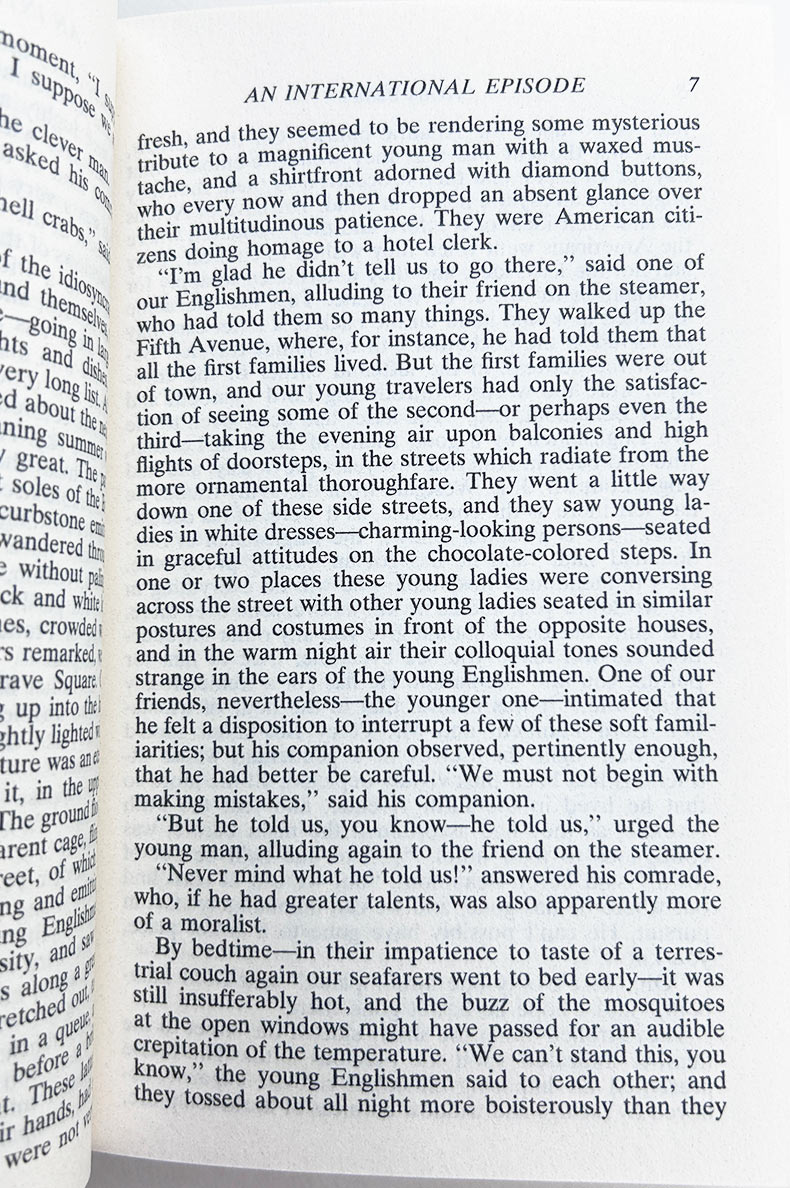
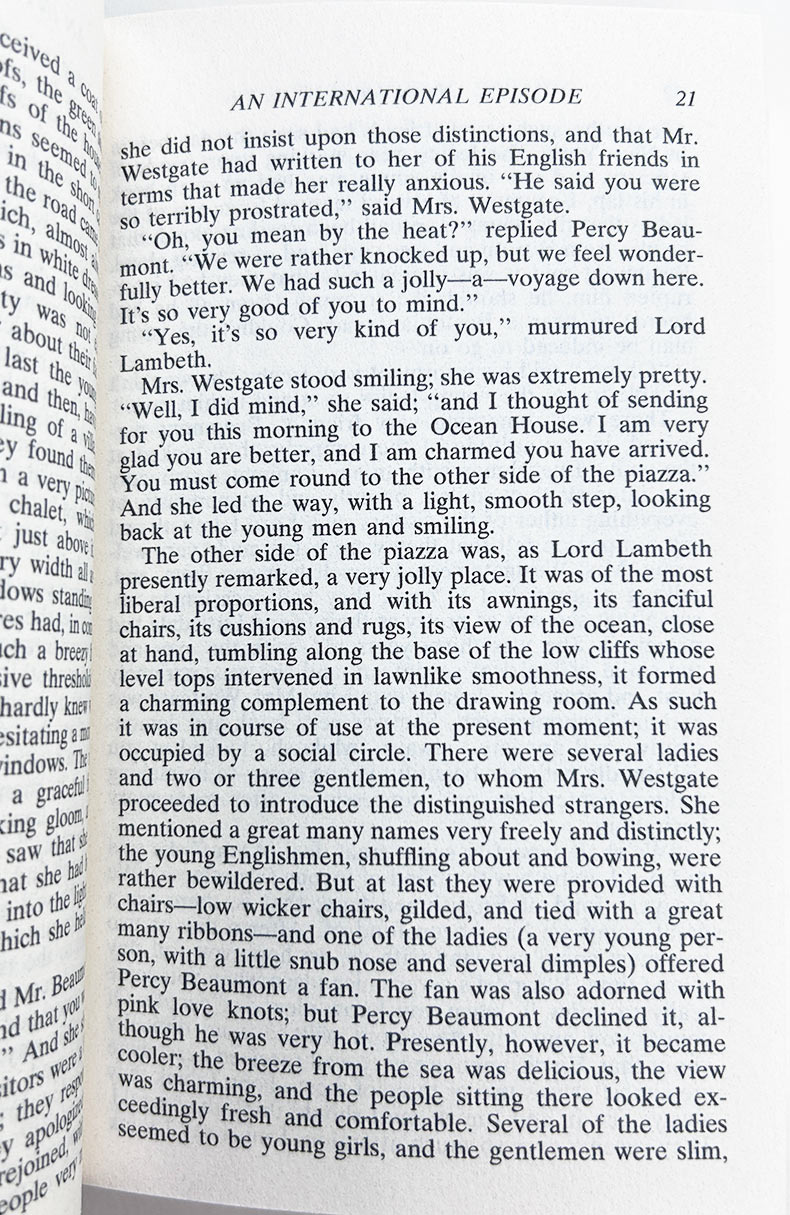
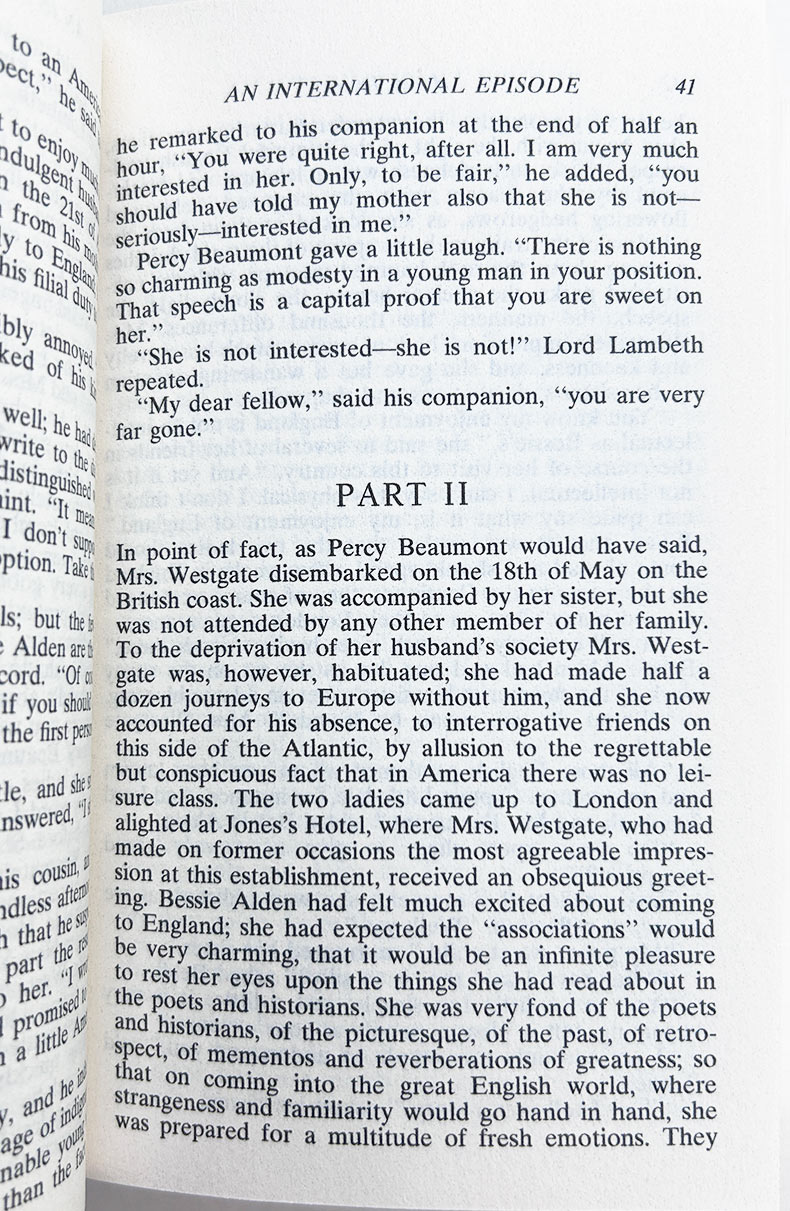
 书名:The Turn of the Screw and Other Short Novels螺丝在拧紧亨利·詹姆斯短篇小说集
作者:Henry James亨利·詹姆斯
出版社名称:Signet Classics
出版时间:2007
语种:英文
ISBN:9780451530677
商品尺寸:10.6 x 3 x 17.3 cm
包装:简装
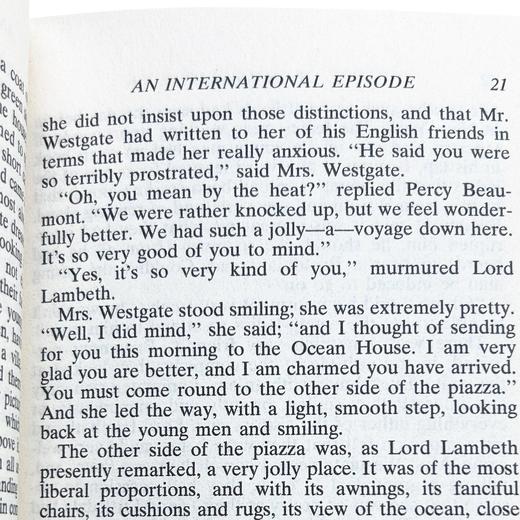
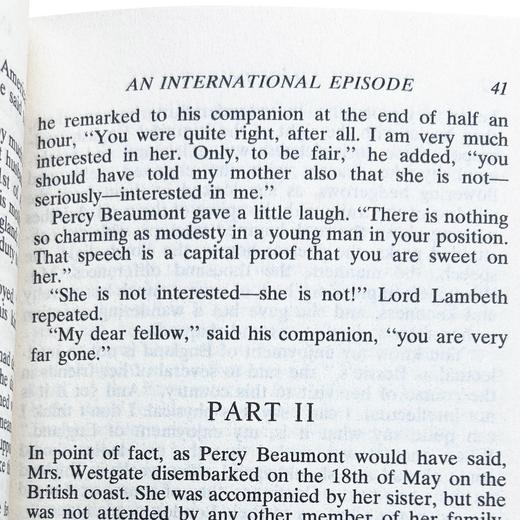
页数:464 (以实物为准) The Turn of the Screw and Other Short Novels《螺丝在拧紧亨利·詹姆斯短篇小说集》是美国作家亨利·詹姆斯的作品集,收录了其6部短篇小说,包括Daisy Miller: A Study《黛西·米勒》、The Aspern Papers《阿斯彭文稿》、The Altar of the Dead《死者的祭坛》、The Turn of the Screw《螺丝在拧紧》、The Beast in the Jungle《丛林猛兽》以及An International Episode《一个国际事件》。亨利·詹姆斯的创作对20世纪崛起的现代派及后现代派文学有着非常巨大的影响。
A collection of six short novels from the celebrated author of The Portrait of a Lady and Washington Square...
By turns chilling, funny, tragic, and profound, Henry James’s short novels allow readers to experience the full range of his skills and vision. The title story, a chilling masterpiece of psychological terror, mixes the phantoms of the mind with those of the supernatural. “Daisy Miller,” the tale of a provincial American girl in Rome that established James’s literary reputation, and “An International Episode” are superb examples of his focus on the clash between American and European values. And in “The Aspern Papers,” “The Alter of the Dead,” and “The Beast in the Jungle,” the author’s remarkable sense of irony, his love of plot twists, and his view of male-female relationships find exquisite expression.
With an Introduction by Fred Kaplan 亨利·詹姆斯(1843年4月15日~1916年2月28日),19世纪美国继霍桑、麦尔维尔之后伟大的小说家,也是美国乃至世界文学史上的大文豪。詹姆斯的主要作品是小说,此外也写了许多文学评论、游记、传记和剧本。他的小说常写美国人和欧洲人之间交往的问题;成人的罪恶如何影响并摧残了纯洁、聪慧的儿童;物质与精神之间的矛盾;艺术家的孤独,作家和艺术家的生活等。代表作有长篇小说:《一个美国人》《一位女士的画像》《鸽翼》《使节》和《金碗》等。
Henry James (1843-1916) spent his early life in America but often traveled with his celebrated family to Europe. After briefly attending Harvard, he began to contribute both criticism and tales to magazines. Later, he visited Europe and began Roderick Hudson. Late in 1875, he settled in Paris, where he met Turgenev, Flaubert, and Zola and wrote The American. In 1876, he moved to London, where two years later he achieved international fame with Daisy Miller. His other famous works include The Portrait of a Lady (1881), The Princess Casamassma (1886), The Wings of the Dove (1902), and The Golden Bowl (1904). In 1915, a few months before his death, he became a British subject.
Fred Kaplan is Distinguished Professor Emeritus of English at Queens College and the Graduate Center of the City University of New York. He is the author of The Singular Mark Twain, A Biography; Gore Vidal, A Biography; Henry James, The Imagination of Genius and Charles Dickens, A Biography. His Thomas Carlyle was a finalist for the National Book Critics’ Circle Award and was a jury-nominated finalist for the Pulitzer Prize. Other works include Sacred Tears: Sentimentality in Victorian Literature, Dickens and Mesmerism: the Hidden Spring of Fiction, and Miracles of Rare Device: The Poet’s Sense of Self in Nineteenth-Century Poetry. An International Episode (1878)一个国际事件
Daisy Miller: A Study (1878)黛西·米勒
The Aspern Papers (1888)阿斯彭文稿
The Altar of the Dead (1895)死者的祭坛
The Turn of the Screw (1898)螺丝在拧紧
The Beast in the Jungle (1903)丛林猛兽
 At the little town of Vevey, in Switzerland, there is a particularly comfortable hotel; there are indeed many hotels, since the entertainment of tourists is the business of the place, which, as many travellers will remember, is seated upon the edge of a remarkably blue lake —a lake that it behoves every tourist to visit. The shore of the lake presents an unbroken array of establishments of this order, of every category, from the “grand hotel” of the newest fashion, with a chalk-white front, a hundred balconies, and a dozen flags flying from its roof, to the small Swiss pension of an elder day, with its name inscribed in German-looking lettering upon a pink or yellow wall and an awkward summer-house in the angle of the garden. One of the hotels at Vevey, however, is famous, even classical, being distinguished from many of its upstart neighbours by an air both of luxury and of maturity. In this region, through the month of June, American travellers are extremely numerous; it may be said indeed that Vevey assumes at that time some of the characteristics of an American watering-place. There are sights and sounds that evoke a vision, an echo, of Newport and Saratoga. There is a flitting hither and thither of “stylish” young girls, a rustling of muslin flounces, a rattle of dance-music in the morning hours, a sound of high-pitched voices at all times. You receive an impression of these things at the excellent inn of the “Trois Couronnes,” and are transported in fancy to the Ocean House or to Congress Hall. But at the “Trois Couronnes,” it must be added, there are other features much at variance with these suggestions: neat German waiters who look like secretaries of legation; Russian princesses sitting in the garden; little Polish boys walking about, held by the hand, with their governors; a view of the snowy crest of the Dent du Midi and the picturesque towers of the Castle of Chillon.
I hardly know whether it was the analogies or the differences that were uppermost in the mind of a young American, who, two or three years ago, sat in the garden of the “Trois Couronnes,” looking about him rather idly at some of the graceful objects I have mentioned. It was a beautiful summer morning, and in whatever fashion the young American looked at things they must have seemed to him charming. He had come from Geneva the day before, by the little steamer, to see his aunt, who was staying at the hotel—Geneva having been for a long time his place of residence. But his aunt had a headache—his aunt had almost always a headache—and she was now shut up in her room smelling camphor, so that he was at liberty to wander about. He was some seven-and-twenty years of age; when his friends spoke of him they usually said that he was at Geneva “studying.” When his enemies spoke of him they said—but after all he had no enemies: he was extremely amiable and generally liked. What I should say is simply that when certain persons spoke of him they conveyed that the reason of his spending so much time at Geneva was that he was extremely devoted to a lady who lived there—a foreign lady, a person older than himself. Very few Americans—truly I think none—had ever seen this lady, about whom there were some singular stories. But Winterbourne had an old attachment for the little capital of Calvinism; he had been put to school there as a boy and had afterwards even gone, on trial—trial of the grey old “Academy” on the steep and stony hillside—to college there; circumstances which had led to his forming a great many youthful friendships. Many of these he had kept, and they were a source of great satisfaction to him.
- 华研外语 (微信公众号认证)
- 本店是“华研外语”品牌商自营店,全国所有“华研外语”、“华研教育”品牌图书都是我司出版发行的,本店为华研官方源头出货,所有图书均为正规正版,拥有实惠与正版的保障!!!
- 扫描二维码,访问我们的微信店铺
- 随时随地的购物、客服咨询、查询订单和物流...