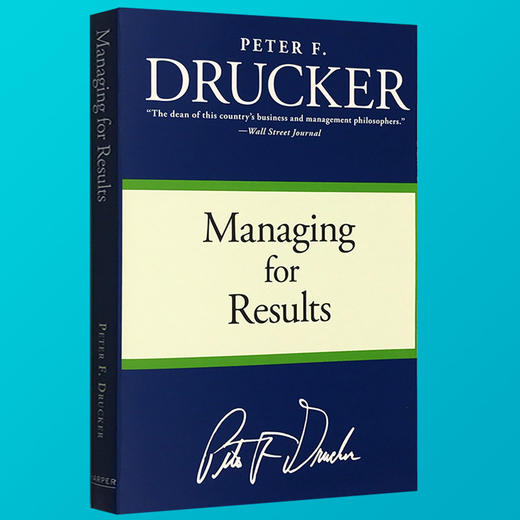
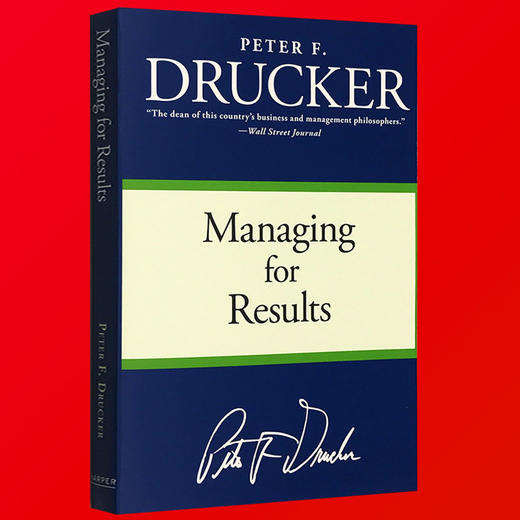
英文原版 Managing for Results 成果管理 Peter F. Drucker 彼得德鲁克经管 英文版进口管理学书 正版
| 运费: | ¥ 0.00-999.00 |
| 库存: | 29 件 |





商品详情
依据《出版管理条例》,本书个别内容与中国实际情况不符,已做适当处理(如涂抹),但不影响整体正常阅读(介意者慎拍)。此属正常情况,请事先知悉,以免给您带来不便。特此说明。
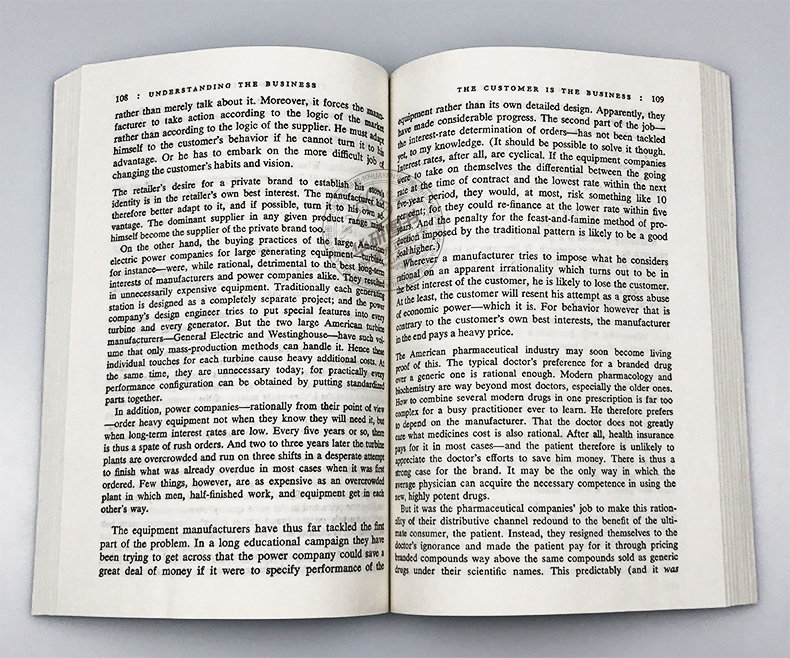
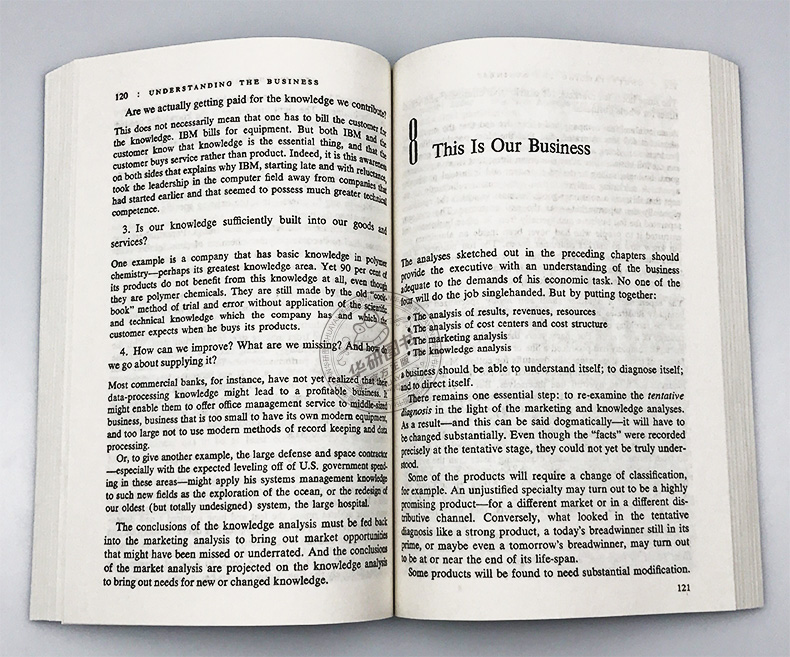
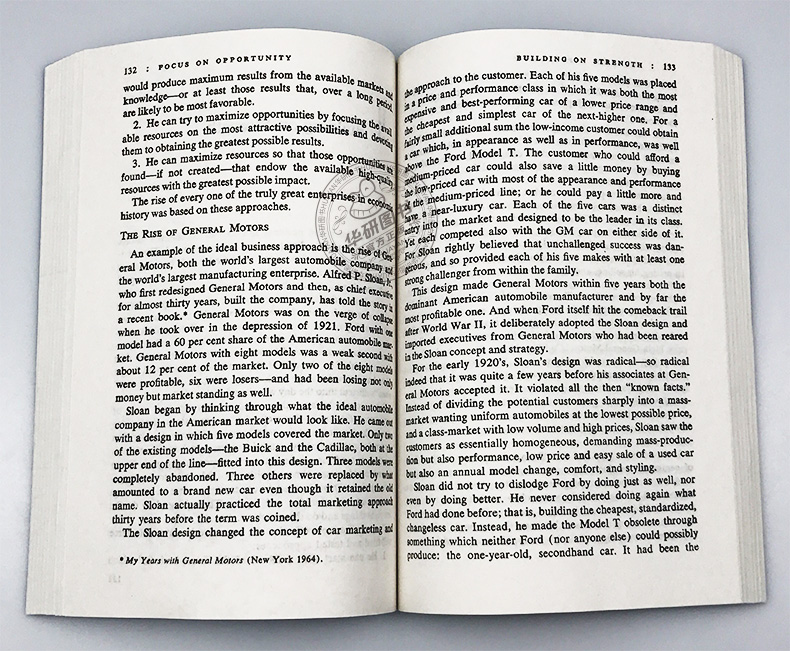
 书名:Managing for Results成果管理
作者:Peter F. Drucker彼得·德鲁克
出版社名称:HarperBusiness
出版时间:2006
语种:英文
ISBN:9780060878986
商品尺寸:13.5 x 1.5 x 20.3 cm
包装:平装
页数:240 Managing for Results《成果管理》是美国管理学大师彼得·德鲁克编写的一本关于企业管理战略的书。本书是《卓有成效的管理者》的伴读本,也是《管理的实践》的姊妹篇,对现代企业管理具有深远的指导意义。
媒体评论:
“全世界的管理者都应该感谢这个人,因为他贡献了毕生的精力,来理清我们社会中人的角色和组织机构的角色,我认为彼得·德鲁克比任何其他人都更有效地做到了这一点。”——通用电气前首席执行官杰克·韦尔奇
“在所有的管理学书籍中,德鲁克的著作对我影响很深。”——微软总裁比尔·盖茨
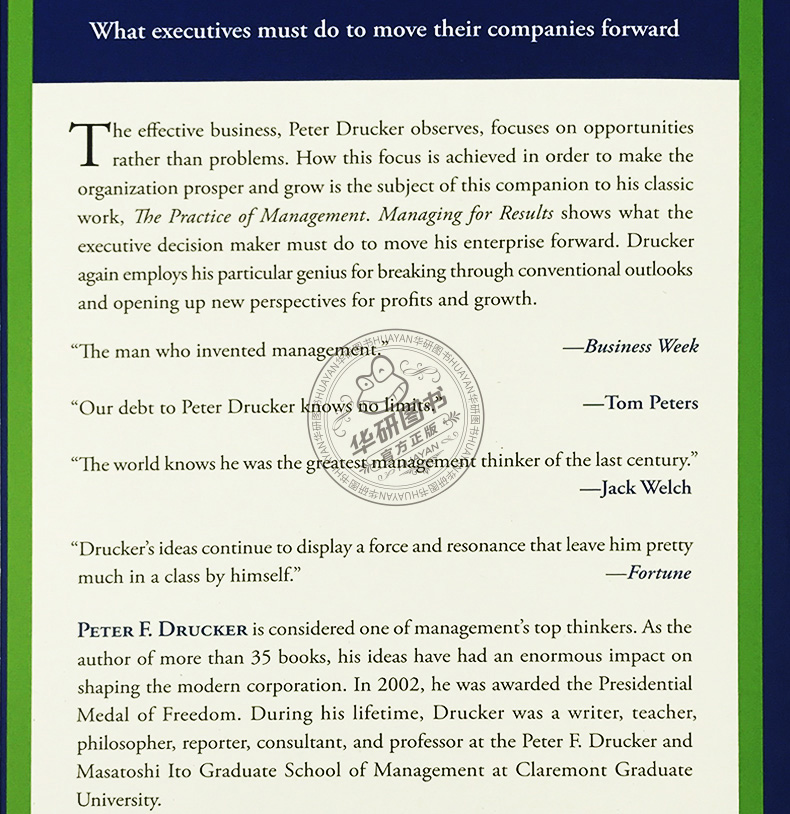
The effective business, Peter Drucker observes, focuses on opportunities rather than problems. How this focus is achieved in order to make the organization prosper and grow is the subject of this companion to his classic work, The Practice of Management.Managing for Results shows what the executive decision maker must do to move his enterprise forward. Drucker again employs his particular genius for breaking through conventional outlooks and opening up new perspectives for profits and growth. 每一个企业都需要思考和应对本书提出和回答的一系列问题:
企业的现实是什么?
企业的成果区在哪里?
应该采取什么行动?
企业现状是什么。未来的状况应该是什么?
Managing for Results《成果管理》首次把战略一词应用到商业和管理中,并开创了对商业企业经济绩效的研究。迄今为止,大部分战略管理书籍阐述的问题几乎都源于本书。书中分析了“企业的现实”——外部环境的基本规律和常见特点。探讨企业在这些“现实”面前如何摆正自己的位置,从而将它们转化为创造出绩效和成果的机会。 彼得·德鲁克(1909-2005),管理学科开创者。他被尊为“大师中的大师”、“现代管理学之父”,他的思想传播影响了130多个国家;他称自己是“社会生态学家”;他对社会学和经济学的影响深远;他的著作架起了从工业时代到知识时代的桥梁。1909年彼得·德鲁克生于维也纳的一个书香门第,1931年获法兰克福大学国际法博士学位,1937年与他的德国校友多丽丝结婚,并移居美国,终身以教书、著书和咨询为业。在美国他曾担任由美国银行和保险公司组成的财团的经济学者,以及美国通用汽车公司、克莱斯勒公司、IBM公司等大企业的管理顾问。为纪念其在管理领域的杰出贡献,克莱蒙特大学的管理研究生院以他的名字命名;为表彰他为非营利领域所带来的巨大影响,国际慈善机构“救世军”授予德鲁克救世军“伊万婕琳·布斯奖”。他曾连续20年每月为《华尔街日报》撰写专栏文章,一生在《哈佛商业评论》上共发表38篇文章,至今无人打破这项纪录。他著述颇丰,包括《管理的实践》、《卓有成效的管理者》、《管理:使命、责任、实务》、《旁观者》等几十本著作,以30余种文字出版,总销售量超过600万册。其中《管理的实践》奠定了他作为管理学科开创者的地位,而《卓有成效的管理者》已成为全球管理者经典读物。他曾7次获得“麦肯锡奖”;2002年6月20日,获得当年的“总统自由勋章”,这是美国公民所能获得的很高荣誉。20世纪80年代,德鲁克思想被引入中国;2004年,德鲁克管理学进入中国的管理教育。2005年11月11日,德鲁克在加州克莱蒙特的家中溘然长逝,享年95岁。
Peter F. Drucker is considered the most influential management thinker ever. The author of more than twenty-five books, his ideas have had an enormous impact on shaping the modern corporation. Drucker passed away in 2005. That executives give neither sufficient time nor sufficient thought to the future is a universal complaint. Every executive voices it when he talks about his own working day and when he talks or writes to his associates. It is a recurrent theme in the articles and in the books on management.
It is a valid complaint. Executives should spend more time and thought on the future of their business. They also should spend more time and thought on a good many other things, their social and community responsibilities for instance. Both they and their businesses pay a stiff penalty for these neglects. And yet, to complain that executives spend so little time on the work of tomorrow is futile. The neglect of the future is only a symptom; the executive slights tomorrow because he cannot get ahead of today. That too is a symptom. The real disease is the absence of any foundation of knowledge and system for tackling the economic tasks in business.
Today’s job takes all the executive’s time, as a rule; yet it is seldom done well. Few managers are greatly impressed with their own performance in the immediate tasks. They feel themselves caught in a “rat race,” and managed by whatever the mailboy dumps into their “in” tray. They know that crash programs which attempt to “solve” this or that particular “urgent” problem rarely achieve right and lasting results. And yet, they rush from one crash program to the next. Worse still, they known that the same problems recur again and again, no matter how many times they are “solved.”
Before an executive can think of tackling the future, he must be able therefore to dispose of the challenges of today in less time and with greater impact and permanence. For this he needs a systematic approach to today’s job.
There are three different dimensions to the economic task: (1) The present business must be made effective; (2) its potential must be identified and realized; (3) it must be made into a different business for a different future. Each task requires a distinct approach. Each asks different questions. Each comes out with different conclusions. Yet they are inseparable. All three have to be done at the same time: today. All three have to be carried out with the same organization, the same resources of men, knowledge, and money, and in the same entrepreneurial process. The future is not going to be made tomorrow; it is being made today, and largely by the decisions and actions taken with respect to the tasks of today. Conversely, what is being done to bring about the future directly affects the present. The tasks overlap. They require one unified strategy. Otherwise, they cannot really get done at all.
- 华研外语 (微信公众号认证)
- 本店是“华研外语”品牌商自营店,全国所有“华研外语”、“华研教育”品牌图书都是我司出版发行的,本店为华研官方源头出货,所有图书均为正规正版,拥有实惠与正版的保障!!!
- 扫描二维码,访问我们的微信店铺
- 随时随地的购物、客服咨询、查询订单和物流...