商品详情
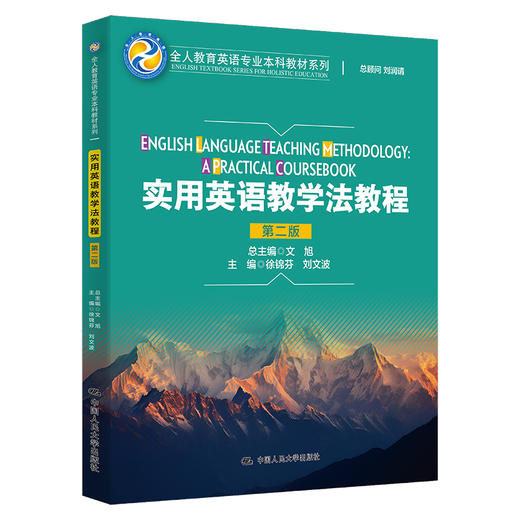
实用英语教学法教程(第二版)(全人教育英语专业本科教材系列)
作者:徐锦芬 刘文波
书号:320694
定价:¥58 元
字数:399 千字
印次:2-2
开本:大16
出版时间:2023-10-15
ISBN:978-7-300-32069-4
包装:平
内容提要:
本书介绍英语教学的基本概念、交际教学原则与任务型教学思想、国家英语课程标准、备课与编写教案、课堂管理方法、语言知识的教学方法、听说读写四项技能的教学、综合语言技能的教学、语言教学中的德育教育、教学评价、学习者个体差异与学习策略培养、教育资源与技术的开发利用,以及教材评价与使用。本次修订融入了近年外语教学理论与实践的国内外最新研究成果。同时,结合思政育人理念,为每个章节增加课后任务板块,主要为形式多样的项目式学习活动,通过引导学习者开展外语教学相关的调研汇报、课堂观察、批判性文献阅读和研讨等活动,促使他们内化教学知识和技能,达到学用结合。本书是为英语专业师范生编写的英语教学法教材,也可用于中学英语教师的继续教育和在职进修、培训。
作者简介:
徐锦芬,华中科技大学二级教授,博士生导师,国务院政府特殊津贴专家,中国英汉语比较研究会二语习得研究专业委员会副会长、外语教师教育与发展委员会常务理事、写作教学与研究专业委员会常务理事。多家SSCI及CSSCI外语类核心期刊编委及外审专家。研究方向为外语教育、二语习得、教师发展。主持3项国家社科重点和一般项目以及教育部人文社科等省部级以上课题20多项;在国内外重要期刊发表论文200多篇;出版专著和主编教材30多部。曾获湖北省教学成果一等奖,多次获湖北省社科优秀成果二等奖、三等奖,获“湖北省优秀教师”“宝钢教育基金优秀教师”“我最喜爱的魅力导师”“华中卓越学者”“优秀研究生导师”等荣誉称号。
目录:
Part Ⅰ Foundations for Language Teaching
Chapter 1 Language Views and Language Learning Theories
Chapter 2 Approaches and Methods in Language Teaching
Part Ⅱ Focusing on the Teacher
Chapter 3 Teachers’ Survival Kit for the First Day of Class
Chapter 4 Professional Development
Chapter 5 Lesson Planning
Chapter 6 Classroom Management
Part Ⅲ Focusing on the Learner
Chapter 7 Understanding English Learners
Chapter 8 Developing Learner Autonomy
Part Ⅳ Focusing on the Language
Chapter 9 Teaching Pronunciation
Chapter 10 Teaching Vocabulary
Chapter 11 Teaching Grammar
Chapter 12 Teaching Listening
Chapter 13 Teaching Speaking
Chapter 14 Teaching Reading
Chapter 15 Teaching Writing
Part Ⅴ Focusing on Technology in Language Instruction
Chapter 16 Technologies in and out of the Language Classroom
在线试读:
Chapter 1 Language Views and Language Learning Theories
Objectives
Upon completion of this chapter, you should be able to:
● understand more deeply the concept and features of language
● outline major views on language
● understand different theories of language learning
1.1 Views on language
Discussion questions: What is language? How do you define language? Obtain definitions of language from dictionaries, books or the Internet and discuss with your classmates.
Ever since language teaching came into its own as a profession in the twentieth century, there has been innovation in teaching methodology as well as development of competing language teaching ideologies (Richards & Rodgers, 2001). For the past several decades, language teachers have been trying to find the most effective teaching method. But just as Brown (2000) puts it, “Your understanding of the components of language determines to a large extent how you teach a language” (p. 6). The approach language researchers and practitioners adopt reflects their perception of language. Therefore, before we explore different aspects of language teaching, it is necessary for both in-service teachers and teachers-to-be to think about the question, “What is language?”
If we examine the key features and functions of language, we’ll find that it is difficult to give a concise definition of this construct. The following definitions show scholars’ different understandings of “language.”
Language is a system of arbitrary, vocal symbols which permit all people in a given culture, or other people who have learned the system of that culture, to communicate or to interact. (Finocchiaro, 1964)
Language is a system of arbitrary vocal symbols used for human communication. (Wardhaugh, 1972)
Language is a complex, specialized skill, which develops in the child spontaneously, without conscious effort or formal instruction, is deployed without awareness of its underlying logic, is qualitatively the same in every individual, and is distinct from more general abilities to process information or behave intelligently. (Pinker, 1994)
Language is merely a system of conventions developed by various groups to communicate among themselves. (Geyser, 2006)
- 人民大学出版社微店 (微信公众号认证)
- 人大出版社自营微店,正版人大出版社书籍直发,品质保证!
- 扫描二维码,访问我们的微信店铺
- 随时随地的购物、客服咨询、查询订单和物流...


![[初级]社会工作实务 2026年社会工作者职业资格考试指导教材 /中国人民大学出版社](https://img01.yzcdn.cn/upload_files/2025/12/22/FsipioCBaQ6ja2idpO_QhsUBlAv3.png?imageView2/2/w/260/h/260/q/75/format/jpg)