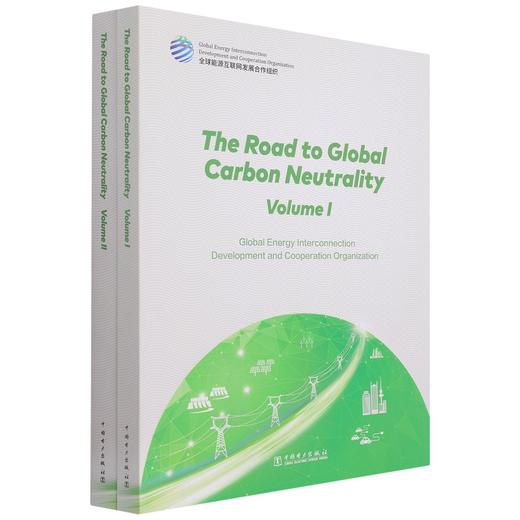
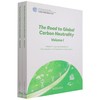
全球碳中和之路(英文版):The Road to Global Carbon Neutrality
| 运费: | ¥ 5.00-22.00 |
| 库存: | 194 件 |




商品详情
书名:全球碳中和之路(英文版):The Road to Global Carbon Neutrality
书号:9787519860172
定价:580元
作者:全球能源互联网发展合作组织 著(英文):Global Energy Interconnection Development and Cooperation Organization
出版时间:2021-10-25
出版社:中国电力出版社
页码: 736 字数(千字):1,409.000
开本:大16开 版次:1 印次:1
品牌介绍
中国电力出版社成立于 1951 年,作为中国成立最早的中央科技出版社之一,曾隶属于水利电力部、能源部、电力工业部、国家电力公司,现为国家电网公司所属的科技出版社,在电气技术专业出版领域享有极高的声誉。该社作为以图书出版为主体,音像、电子出版物、期刊、网络出版共同发展的大型出版企业,以强大的出版资源和高素质的专业队伍,致力于向读者提供包括电力工程、电气工程、建筑工程、电子技术、信息技术、外语、大中专教材、家教等学科门类齐全的权威出版物,也竭力为广大师生提供精品教材,是教育部和北京市教委规划教材的出版基地之一。
产品特色
本报告分析气候变化的紧迫形势和深远影响,全面介绍全球能源互联网方案,包括能源生产、能源消费、能源互联、工业零碳、交通零碳、建筑及居民零碳、农林业增汇等多个维度的行动路线图,系统回答全球如何实现碳中和。报告兼顾科普性、通识性以及专业性,满足不同读者的信息获取需求。
作者介绍
全球能源互联网发展合作组织(简称合作组织),是由致力于推动世界能源可持续发展的相关企业、组织、机构和个人等自愿组成的国际组织。注册地设在北京。合作组织的宗旨是推动构建全球能源互联网,以清洁和绿色方式满足全球电力需求,推动实现联合国“人人享有可持续能源”和应对气候变化目标,服务人类社会可持续发展。合作组织将积极推广全球能源互联网理念,组织制定全球能源互联网发展规划,建立技术标准体系,开展联合技术创新、重大问题研究和国际交流合作,推动工程项目实施,提供咨询服务,引领全球能源互联网发展。
内容介绍
本报告是《全球碳中和之路》的英文版。
本报告聚焦全球碳中和之路研究,从战略全局认识和把握全球碳中和目标,结合自身在全球能源转型、清洁发展、电力规划、气候环境领域的研究成果,对全球碳达峰碳中和问题的重大意义、形势任务、思路目标、重点举措、综合路径、行业判断、区域特征等进行了深入研究,编制形成《全球碳中和之路》。
本报告共分为18章。第1章介绍全球气候变化与碳中和的形势与挑战。第2章提出全球碳中和的必由之路,即以全球能源互联网为基础平台,包括五大部门、六大洲、六大关键技术、市场与基础设施支撑的全球碳中和之路综合方案。第3章介绍全社会净零路径与全球能源互联网方案特征。第4~8章,分别对能源行业净零路线图、工业行业净零路线图、交通领域净零路线图、建筑及生活领域净零路线图和农业及土地利用增汇路线图进行了全面详细的介绍。第9~14章分别介绍亚洲、欧洲、非洲、北美洲、中南美洲、大洋洲碳中和实现路径,从发展现状、减排路径、能源转型、清洁能源、配置网络等多个维度,结合各洲发展实际,系统论述了各洲的碳中和路径。第15章介绍清洁替代、电能替代、能源互联、能源存储、氢能与电制、碳捕集封存与利用等六大零碳负碳关键技术。第16章介绍建立全球电碳市场的市场保障机制。第17章介绍促进三网融合发展的基础实施保障机制。第18章介绍综合效益与政策机制。
本书适用于广大读者
前言
Climate change is a major challenge facing all nations, posing a threat to the very survival and development of humankind. The global average temperatures has increased nearly 1.2°C compared to pre-industrial levels, approaching the temperature rise control goals under the Paris Agreement at an alarming pace, bringing humanity to a make-or-break moment. UN Secretary-General António Guterres has called on all nations worldwide to declare a state of "climate emergency", and to make concerted, concrete efforts to advance carbon neutrality and address climate change. Carbon neutrality is fundamental to the path towards resolution of the climate and environment crisis. An important enabler of sustainable development, it will act as a strong driver of green transformation in the economy and society and of the building a community with a shared future for mankind. Achieving carbon neutrality will be an extremely complex and arduous task. While over 120 nations have announced carbon neutrality goals, laying a solid foundation for achieving carbon neutrality by the middle of this century, and for implementing the targets of the United Nations Framework Convention on Climate Change (UNFCCC) and the Paris Agreement, to date nations’ progress on mitigation has fallen short of what global carbon neutrality is meant to achieve. A key problem is the lack of feasible systematic solutions. To that end, related organizations and institutions have pursued in-depth research and extensive international cooperation to promote the formulation of climate policies and to mobilize mitigation measures worldwide. Excessive use of fossil fuels constitutes the root cause of the climate crisis. Thus, in order to secure carbon neutrality, energy, the decisive factor driving climate change, must be addressed, and major efforts made to expedite the energy and electric power revolution and implement the "Two Replacements", namely, clean replacement in energy production and electricity replacement in energy consumption. Global Energy Interconnection (GEI) offers an innovative energy system characterized by clean energy production, extensive distribution of clean energy, and electrification of energy consumption, which will constitute an important platform for the development, transmission and use of clean energy on a global scale. It provides a technically advanced, cost-effective, systematic win-win solution permitting the achievement of the targets of the Paris Agreement, capable of facilitating the global efforts to achieve carbon neutrality by the middle of this century, resolving the climate and environmental crisis, promoting high-quality economic development, and advancing the sustainable development of humankind. The Global Energy Interconnection Development and Cooperation Organization (GEIDCO) is dedicated to the promotion of the establishment of GEI, meeting global power needs in a clean, green way, and fulfilling humanity’s need for sustainable development. Through ongoing research on the theories, technologies, schemes and mechanisms of carbon neutrality, GEIDCO has published books including Resolving the Crisis and The Road to China Carbon Neutrality, and released report series covering Research and Outlook on Global and Continental Energy Interconnection, and Research on Global and Continental Renewable Energy Development and Investment. These provide feasible, replicable, scalable and systematic climate change solutions, concerning which UN Secretary-General António Guterres has remarked “It is this global interconnectivity that allows for inclusivity for energy to reach everybody in need. And so, GEI is at the centre of the two central concepts (sustainability and inclusivity) of our commitment to Agenda 2030 and with our objectives in relation to climate change”. What’s more, the UNFCCC Secretariat deemed GEI an excellent tool for the realization of the goals of the Paris Agreement. While adhering to green, low-carbon, sustainable development concepts and taking humanity’s needs in terms of economic and social development into account, this book describes the current state of the climate and environmental crisis, analyzes the significance of challenges facing achieving carbon neutrality, and proposes a solution for achieving global carbon neutrality: GEI development based on “Two Replacements, One Increase, One Restore and One Conversion”. It also provides a systematic exposition of net zero roadmaps in key sectors, and pathways towards carbon neutrality for each continent, identifies key needs in terms of technological innovation and market mechanism construction, and demonstrates the huge benefits of the GEI-based carbon neutral scheme in terms of the coordinated development of the economy, society and the environment. This book comprises two volumes, a total of 17 chapters. Volume I consists of 8 chapters. Chapter 1 introduces the global climate change and explains the challenges facing and significance of achieving global carbon neutrality. Chapter 2 explains GEI’s scientific mechanisms and conceptual system for achieving carbon neutrality. Chapter 3 analyzes the pattern, core features and major advantages offered by energy and power transition in the context of the GEI-based carbon neutrality pathway. Chapter 4 systematically analyzes the energy industry’s net zero roadmap from three perspectives: fossil fuels, clean energy and energy allocation. Chapters 5-8 elaborate on net zero roadmaps for key sectors of industries, transportation, building, AFOLU (agriculture, forestry and other land use), and non-carbon dioxide greenhouse gases (Non-CO2 GHGs). Volume II is divided into 9 chapters. Chapter 9 describes the important role of electricity-carbon market development for carbon neutrality. Chapter 10 focuses on analysis of and prospects for key zero-carbon and carbon-negative technologies. Chapters 11-16 analyze mitigation pathways, energy transition patterns, and energy interconnection planning schemes for achieving carbon neutrality in Asia, Europe, Africa, North America, Central and South America, and Oceania, based on these regions’ stages of development and other characteristics. Chapter 17 describes the comprehensive benefits and development framework for the GEI-based carbon neutrality pathway, and the outlook for infrastructure development in the direction of Energy, Transportation and Information Networks Integration (ETI Integration) and for sustainable development. Finally, the appendix introduces data, tools and models related to the research contained in this book. This book proposes an innovative, systematic, strategic, scientific and feasible solution for the realization of global carbon neutrality which could be of great value in accelerating the green energy transition, coping with climate change, and achieving sustainable development for humankind. It is our hope that it can offer reference material useful to related international organizations and governments in their formulation of carbon neutral schemes for society as a whole, and of development plans and policies for energy and power industries, and can be of use to enterprises and institutions involved in global mitigation actions. GEIDCO is committed to making unremitting efforts to advance carbon neutrality in conjunction with all sectors of society, and to making a contribution to the realization of the targets of the Paris Agreement and the UN Sustainable Development Goals (SDGs).
目录
1 Climate Change and Carbon Neutrality001
11 Global Climate Change Dynamics002
111 Causes of Climate Change002
112 Impacts of Climate Change008
113 Climate and Environmental Crisis014
12 Effectiveness of Global Actions016
121 Global Climate Governance Actions017
122 Progress of National Mitigation021
123 Efforts of International Institutions024
13 Significance of Carbon Neutrality026
131 Resolving the Climate and Environment Crisis026
132 Advancing Highquality Economic Development027
133 Realizing Global Sustainable Development028
134 Building a Community of Shared Future for Mankind028
14 Challenges for Carbon Neutrality029
141 Large Gap to Reach the Mitigation Target029
142 Strong Pathdependence on the Traditional Development Model031
143 Lack of Systematic Schemes032
144 Multifacet Challenges in Global Cooperation033
15 Summary035
2 The Essential Path for Global Carbon Neutrality037
21 Mitigation Mechanism038
211 Impact Factors040
212 Directions of Carbon Reduction041
22 GEI Theory043
221 Development Idea044
222 Development Direction046
223 System Components050
224 Wellequipped Conditions052
23 Development Trends054
231 Clean Development Trends055
232 Energy Interconnection Trends057
233 Pivotal Roles of UHV058
24 Comprehensive Solution061
25 Summary062
3 GEI Carbon Neutrality Pathway063
31 Overall Model Approach064
311 Research Methodology064
312 Analysis Model065
32 Global Development Projection070
321 Economy and Industry071
322 Population and Society076
323 Energy and Emissions079
33 Global Pathway towards Net Zero Emissions084
331 Overall Pathway towards Net Zero Emissions084
332 Pathway towards Net Zero Emissions by Sector086
34 Energy Transition Pattern090
341 Clean and Zerocarbon Energy Supply090
342 Electriccentric Energy Consumption094
343 Widearea Interconnection and Allocation of Energy098
344 Intelligent and Flexible Operation of Energy100
35 Comprehensive Comparison105
351 Core Features106
352 Technical Advantages108
353 Economic Advantages110
354 Effectiveness of Emission Reduction112
355 Values of Energy Interconnection115
36 Summary119
_x005f_x000c_
4 Net Zero Emissions Roadmap for Energy Sector121
41 Phaseout of Fossil Fuels122
411 Coal122
412 Oil136
413 Natural Gas145
42 Development of Clean Energy154
421 Solar Energy154
422 Wind Energy160
423 Hydropower165
424 Nuclear Power170
425 Biomass Energy171
43 Global Energy Allocation174
431 Backbone Power Grid Network174
432 Green Hydrogen Allocation System184
44 Summary192
5 Net Zero Emissions Roadmap for Industries195
51 Iron and Steel Industry196
511 Status Quo and Trend196
512 Target and Pathway of Decarbonization200
513 Direction and Priorities of Decarbonization202
52 Chemical Industry212
521 Status Quo and Trend212
522 Target and Pathway of Decarbonization217
523 Direction and Focus of Decarbonization219
53 Construction Materials Industry226
531 Status Quo and Trend226
532 Target and Pathway of Decarbonization231
533 Direction and Priorities of Decarbonization233
54 Other Industries238
541 Electrification Enhancement238
542 Comprehensive Use of Clean Energy240
543 Energy Conservation and Energy Efficiency Enhancement242
55 Summary245
_x000c_
6 Net Zero Emissions Roadmap for Transportation Sector247
61 Road248
611 Status Quo and Trend248
612 Target and Pathway of Decarbonization255
613 Direction and Priorities of Decarbonization258
62 Shipping and Aviation269
621 Status Quo and Trend269
622 Target and Pathway of Decarbonization273
623 Direction and Priorities of Decarbonization276
63 Summary279
7 Net Zero Emissions Roadmap for Building Sector281
71 Status Quo and Trend282
711 Energy Consumption and Carbon Emission283
712 Development Trend285
713 Development Challenges286
72 Target and Pathway of Decarbonization287
73 Direction and Priorities of Decarbonization289
731 Electricity Replacement289
732 Energy Efficiency Enhancement293
74 Summary298
8 Net Zero Emissions Roadmap for AFOLU Sector and NonCO2 GHGs299
81 Emissions and Carbon Sink Increase from AFOLU300
811 Status Quo and Trend300
812 Target and Pathway of Mitigation301
813 Measures and Priorities of Mitigation302
82 Emission Reduction of NonCO2 GHGs304
821 Status Quo and Trend306
822 Target and Pathway of Mitigation307
823 Measures and Priorities of Mitigation308
83 Summary311
_x005f_x000c_
Volume II
9 Global ElectricityCarbon Market313
91 Status and Challenge of Development314
92 Needs and Trends318
921 Integrated Development Needs318
922 Integrated Development Trends319
93 Guiding Principle and Connotation321
931 Guiding Principle321
932 Market Connotation321
94 Market Construction323
941 Market Structure323
942 Construction Plan324
95 Development Path336
951 Objective for 2030336
952 Objective for 2040338
953 Objective for 2050340
96 Future Benefits341
97 Summary343
10 Key NetZero & CarbonNegative Technologies345
101 UHV Transmission Technology346
1011 UHV AC Transmission347
1012 UHV DC Transmission349
1013 VSCHVDC Transmission352
1014 High Voltage Largescale Submarine Cable356
102 Clean Replacement Technologies357
1021 Photovoltaic Power Generation357
1022 Concentrating Solar Power Generation360
1023 Wind Power Generation362
1024 Hydropower Generation365
1025 Nuclear Electric Power Generation368
1026 Hydrogen Power Generation369
103 EnergySaving and Electricity Replacement Technologies371
1031 Lighting Technology371
1032 Electric Heating Technology372
1033 Electrical Metallurgy Technology374
1034 Electrified Transportation Technology375
104 Massive Energy Storage Technology377
1041 Pumped Energy Storage378
1042 Novel Energy Storage379
105 Hydrogen Energy and Power to Fuels & Raw Material382
1051 Power to Hydrogen382
1052 Hydrogen Storage and Transportation383
1053 Power to Fuels & Raw Material386
106 Carbon Capture, Utilization and Storage Technologies388
1061 Carbon Dioxide Capture, Utilization and Storage388
1062 BioEnergy with Carbon Capture and Storage390
1063 Direct Air Capture391
107 Digital Intelligence Technologies392
1071 Sensor393
1072 Communications Technologies394
1073 Big Data and AI396
108 Summary398
11 Carbon Neutrality Pathway for Asia399
111 Status Quo and Trend400
1111 Economic and Social Development400
1112 Resource and Environment403
1113 Energy and Power404
112 Mitigation Path406
1121 Mitigation Ideas406
1122 Mitigation Priorities407
113 Energy Transition408
1131 Primary Energy408
1132 Final Energy409
1133 Power Demand411
1134 Power Supply414
114 Clean Energy416
1141 Solar Power416
1142 Wind Power420
1143 Hydropower422
115 Allocation Network425
1151 Development Positioning425
1152 Power Grid Interconnection427
1153 Key Interconnection Projects430
116 Summary433
12 Carbon Neutrality Pathway for Europe435
121 Status Quo and Trend436
1211 Economic and Social Development436
1212 Resource and Environment438
1213 Energy and Power440
122 Mitigation Path442
1221 Mitigation Ideas442
1222 Mitigation Priorities444
123 Energy Transition444
1231 Primary Energy444
1232 Final Energy446
1233 Power Demand447
1234 Power Supply450
124 Clean Energy452
1241 Wind Power452
1242 Hydropower456
1243 Solar Power457
125 Allocation Network459
1251 Development Positioning459
1252 Power Grid Interconnection461
1253 Key Interconnection Projects465
126 Summary468
13 Carbon Neutrality Pathway for Africa471
131 Status Quo and Trend472
1311 Economic and Social Development472
1312 Resource and Environment474
1313 Energy and Power476
132 Mitigation Path480
1321 Mitigation Ideas480
1322 Mitigation Priorities481
133 Energy Transition482
1331 Primary Energy482
1332 Final Energy483
1333 Power Demand483
1334 Power Supply487
134 Clean Energy489
1341 Solar Power489
1342 Wind Power493
1343 Hydropower495
135 Allocation Network504
1351 Development Positioning504
1352 Power Grid Interconnection505
1353 Key Interconnection Projects509
136 Summary514
14 Carbon Neutrality Pathway for North America517
141 Status Quo and Trend518
1411 Economic and Social Development518
1412 Resource and Environment520
1413 Energy and Power521
142 Mitigation Path524
1421 Mitigation Ideas524
1422 Mitigation Priorities525
143 Energy Transition526
1431 Primary Energy526
1432 Final Energy527
1433 Power Demand528
1434 Power Supply530
144 Clean Energy533
1441 Solar Power533
1442 Wind Power535
1443 Hydropower538
145 Allocation Network540
1451 Development Positioning540
1452 Power Grid Interconnection542
1453 Key Interconnection Projects546
146 Summary548
15 Carbon Neutrality Pathway for Central and South America551
151 Status Quo and Trend552
1511 Economic and Social Development552
1512 Resource and Environment554
1513 Energy and Power556
152 Mitigation Path558
1521 Mitigation Ideas558
1522 Mitigation Priorities559
153 Energy Transition560
1531 Primary Energy560
1532 Final Energy561
1533 Power Demand563
1534 Power Supply565
154 Clean Energy567
1541 Solar Power567
1542 Wind Power571
1543 Hydropower574
155 Allocation Network579
1551 Development Positioning579
1552 Power Grid Interconnection580
1553 Key Interconnection Projects583
156 Summary585
16 Carbon Neutrality Pathway for Oceania587
161 Status Quo and Trend588
1611 Economic and Social Development588
1612 Resource and Environment590
1613 Energy and Power591
162 Mitigation Path594
1621 Mitigation Ideas594
1622 Mitigation Priorities595
163 Energy Transition596
1631 Primary Energy596
1632 Final Energy597
1633 Power Demand598
1634 Power Supply600
164 Clean Energy603
1641 Solar Power603
1642 Wind Power606
1643 Hydropower607
165 Allocation Network609
1651 Development Positioning610
1652 Power Grid Interconnection611
1653 Key Interconnection Projects612
166 Summary613
17 Comprehensive Benefits and Development Prospects615
171 Comprehensive Benefits617
1711 Economic Benefits617
1712 Social Benefits618
1713 Environmental Benefits619
172 Development Mechanisms622
1721 Clean Development Mechanism623
1722 Cooperative Governance Mechanism624
1723 Collaborative Innovation Mechanism625
1724 Financial Investment Mechanism627
1725 Legal Mechanism628
173 Energy Transportation Information Networks Integration629
1731 Development Requirements630
1732 Integration Models631
1733 Main Forms634
1734 Development Path639
174 Vision of the Future641
1741 Better Climate and Environment, New Chapter of Ecological
Civilization642
1742 Unleashing Innovationdriven Vitality in Economic Growth643
1743 A New Phase of Social Harmony and Civilization644
175 Summary644
_x000c_
Appendixes646
Appendix 1 Introduction to Global Energy Interconnection Development and
Cooperation Organization (GEIDCO)646
Appendix 2 GEI Carbon Neutrality Scenario650
Appendix 3 Integrated Assessment Model for Global Climate Change652
Appendix 4 Global Renewable Energy Assessment Model658
Appendix 5 GEI Planning Model666
Appendix 6 Glossary670
- 有电书房
- 扫描二维码,访问我们的微信店铺