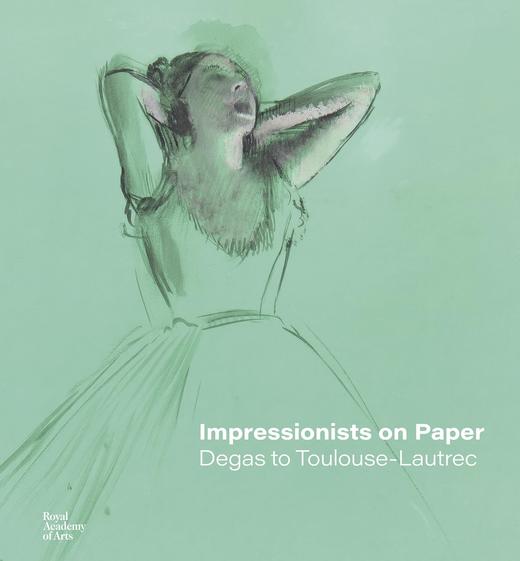
嘉德文库丨Impressionists on Paper: Degas to Toulouse-Lautrec
| 运费: | 免运费 |
商品详情
Transformative works on paper by Impressionist and Post-Impressionist innovators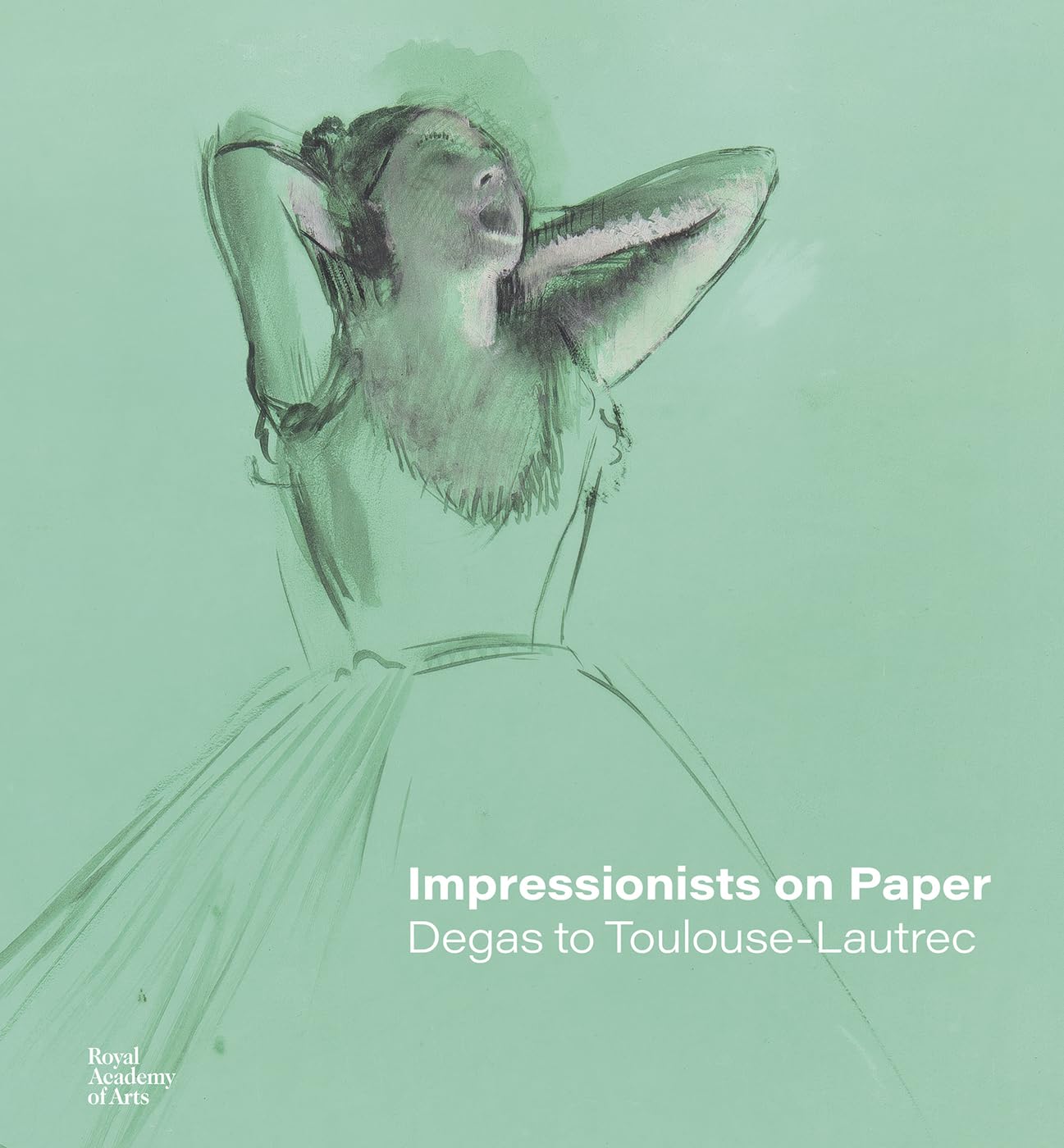
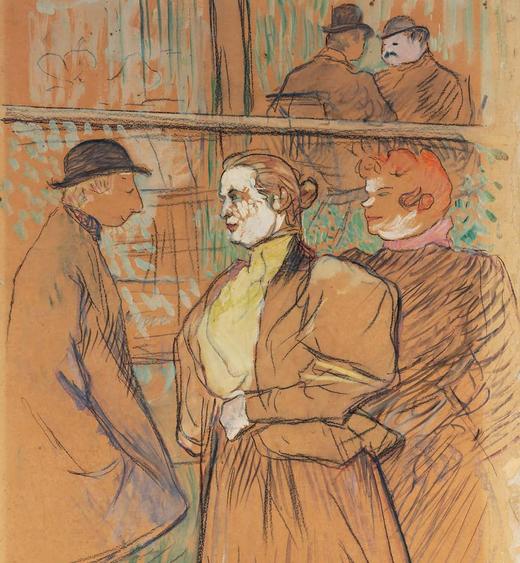
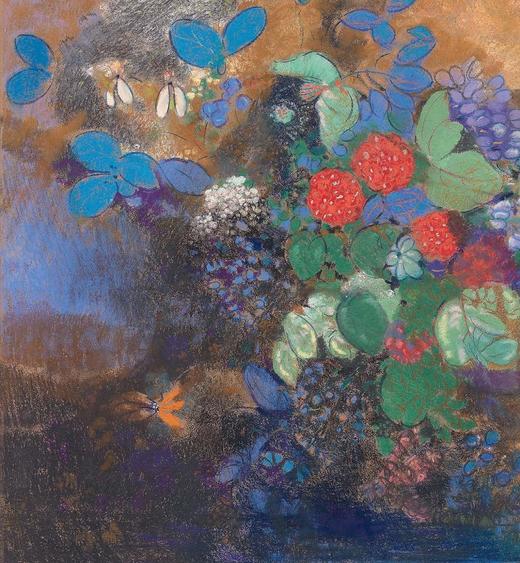
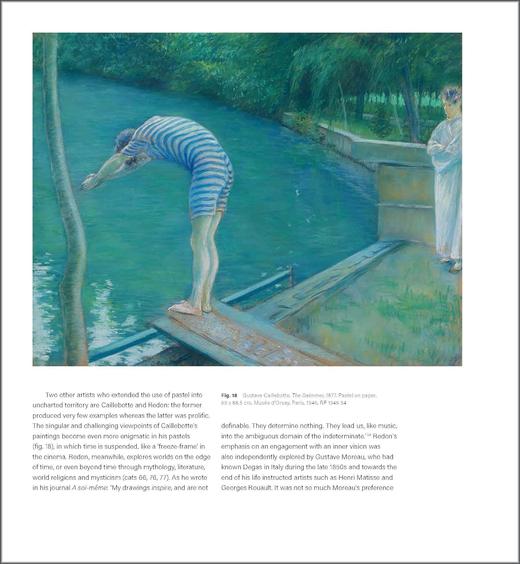
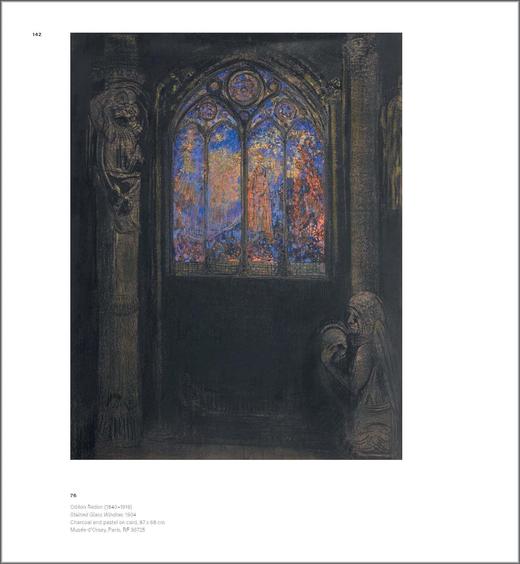
Best known for their superlative oils on canvas, Degas, Cézanne, Renoir, Toulouse-Lautrec, Van Gogh and their contemporaries also regularly used paper as a base for their works. They experimented with materials including watercolor, gouache, pencil, ink and the temperamental pastel.
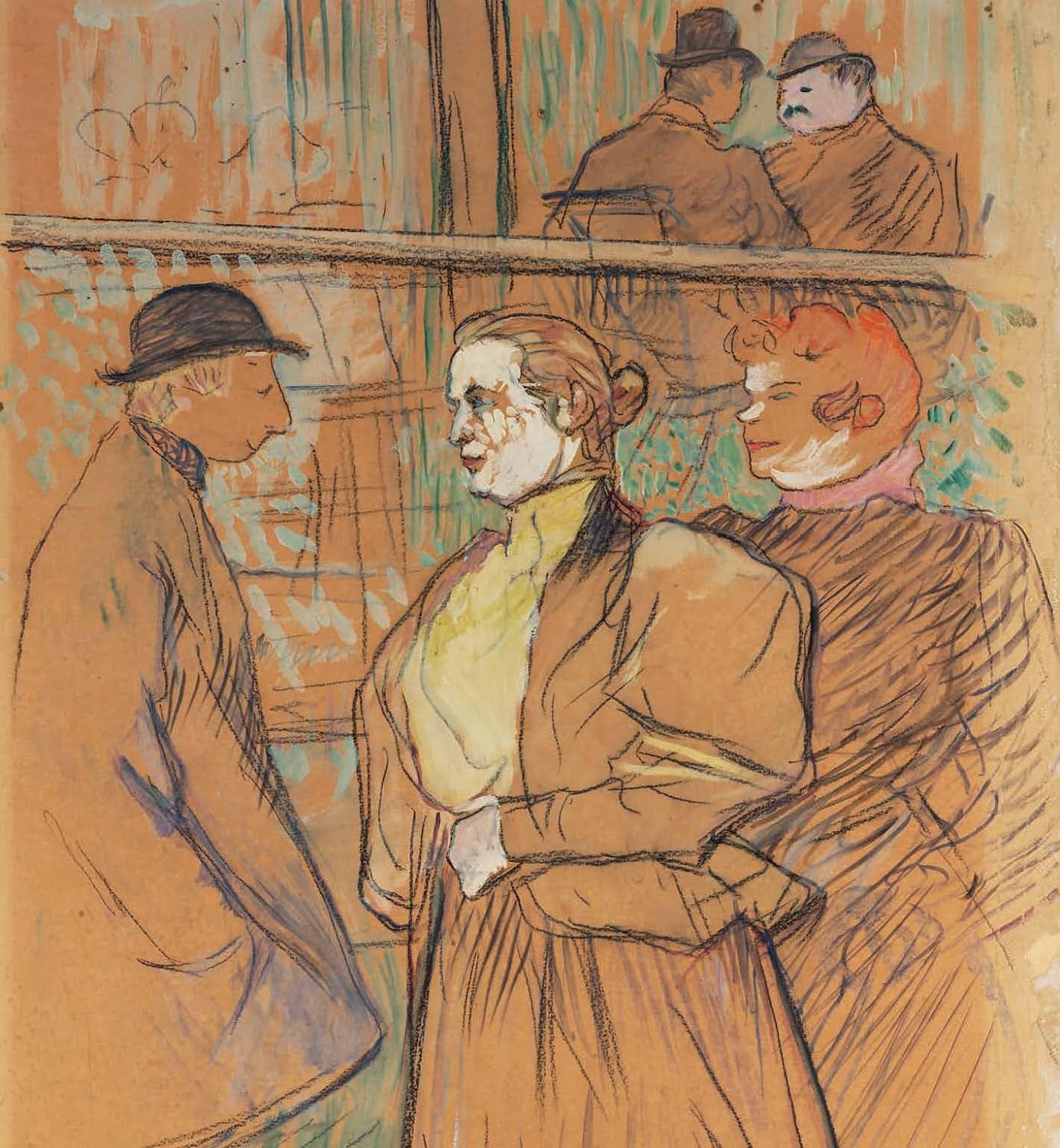
The Impressionists and Post-Impressionists often found working on paper to be a better conveyance of the fluctuating surroundings they sought to capture. Their practices transformed the status of these works from preparatory studies left in the studio to works of art in their own right. Indeed, prints and drawings were hung alongside oil paintings in all eight canonical Impressionist exhibitions held between 1874 and 1886. At the last of these, Degas exclusively exhibited pastels on paper.
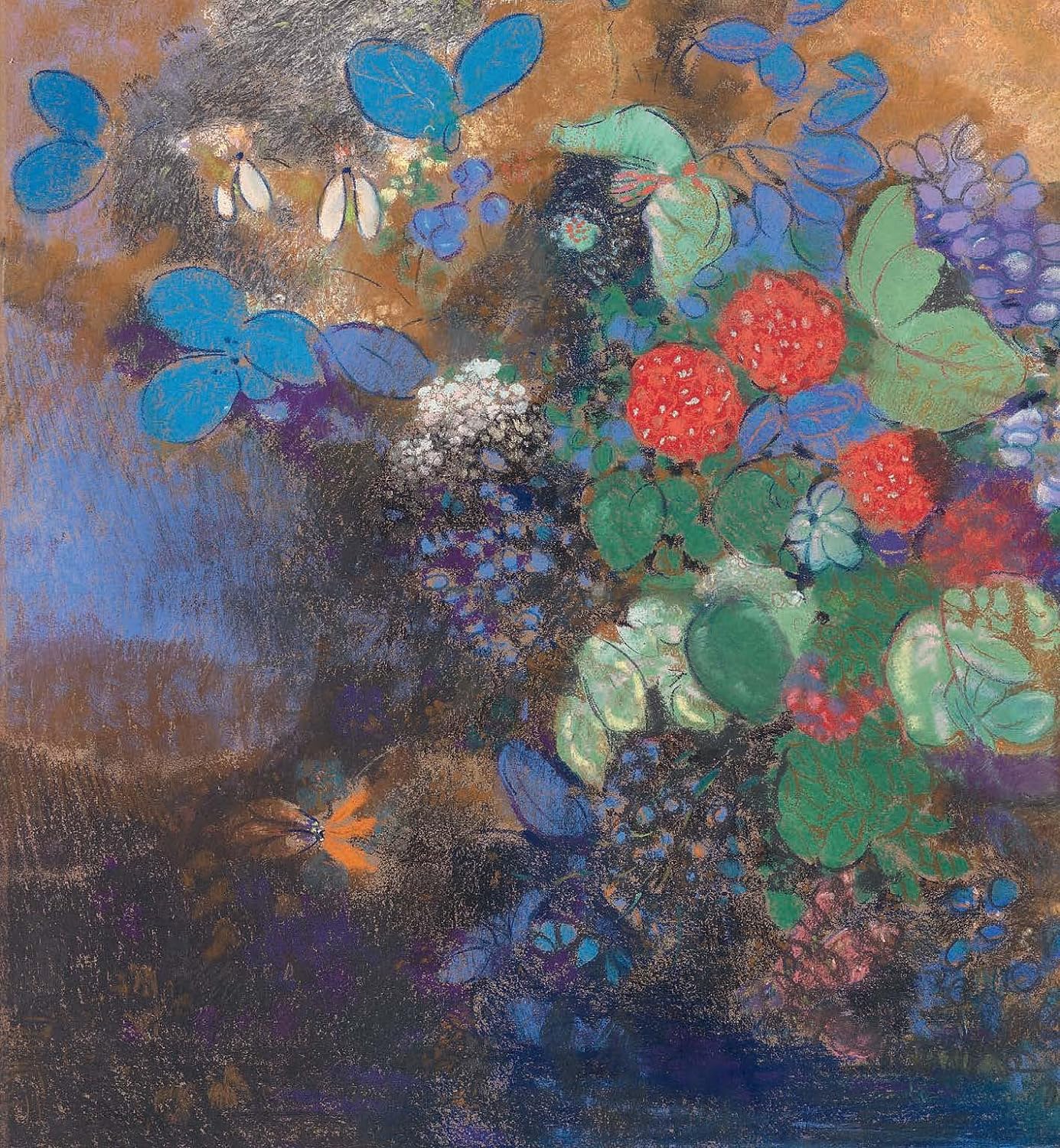
This sumptuous collection of some 70 works on paper, exhibited at the Royal Academy of Arts, London, includes sketches for well-known masterpieces such as George Seurat’s figure of a youth for The Bathers at Asnières (1883) to scenes with no known painted counterpart such as Van Gogh’s Entrance to the Pawn Bank, The Hague (1882). Insightful texts by Royal Academy curators and experts in 19th-century European art explore three topics: the artistic development of the Impressionists through their works on paper; the role of drawing in arts education; and commercial innovations to artist’s materials that made paper a more popular option.
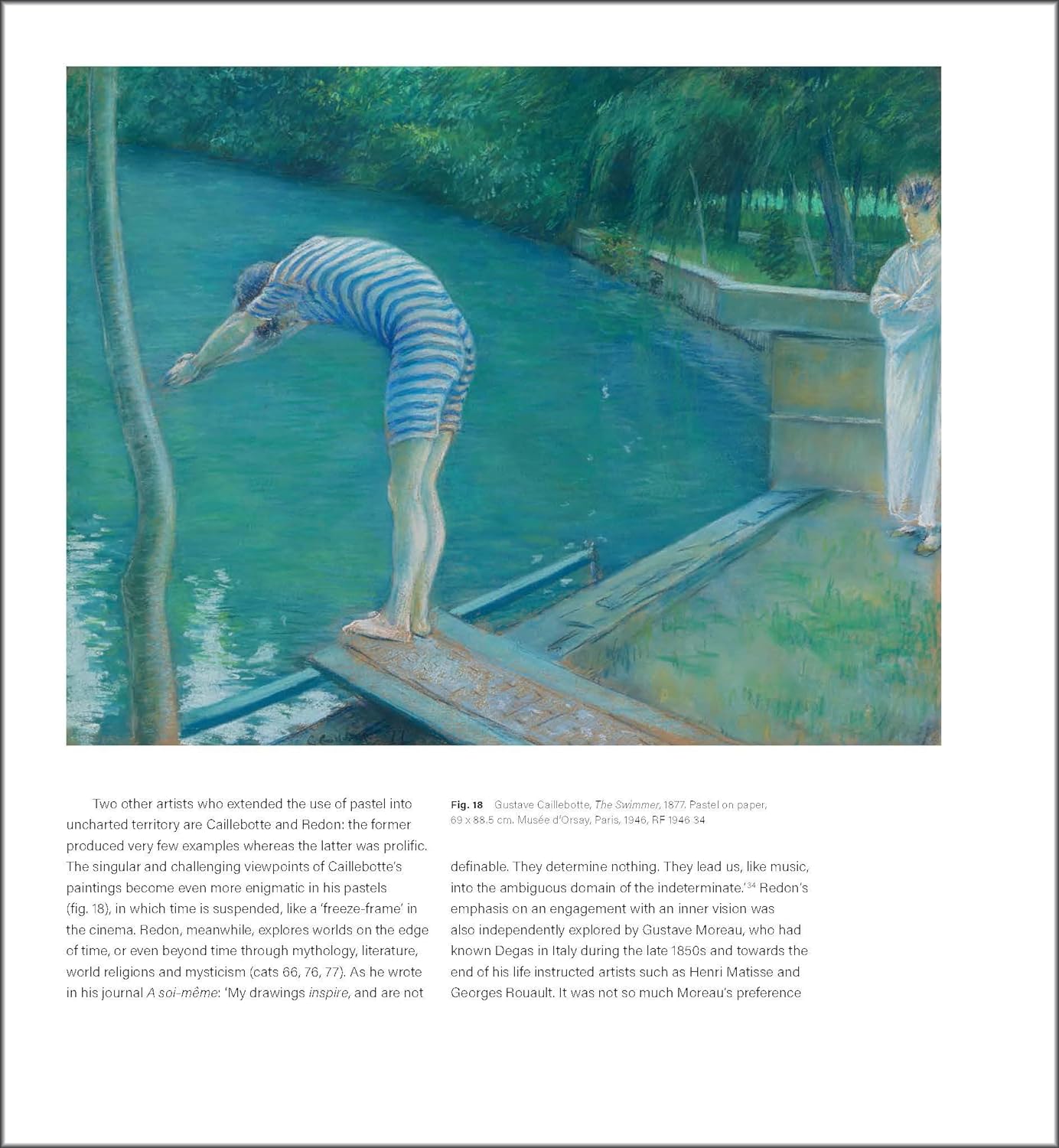
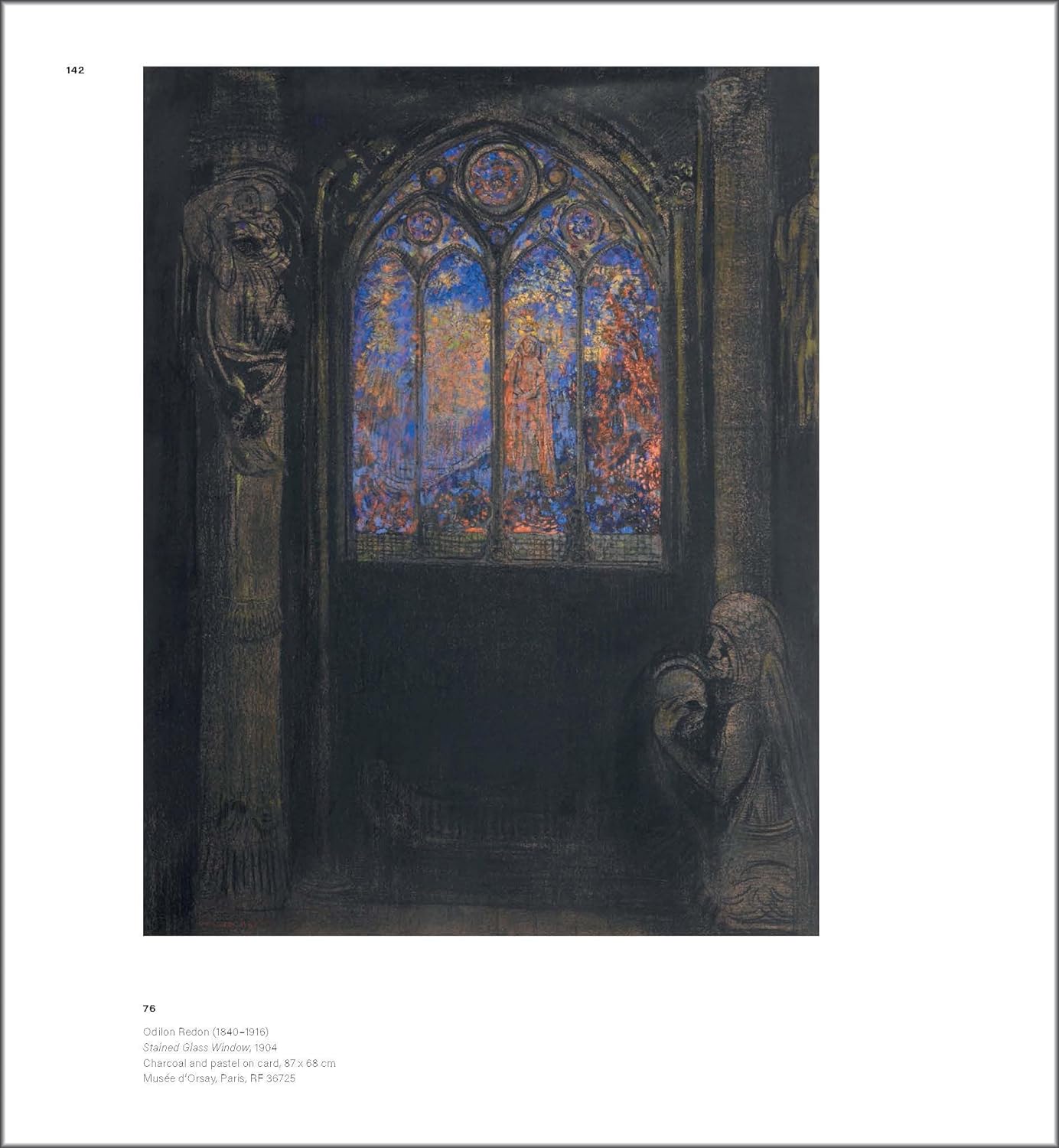
The catalog is arranged chronologically from the 1860s to the 1900s, charting the rapid progress of techniques and subject matter. The bold innovations of the Impressionists and Post-Impressionists challenged traditional attitudes and radically transformed the future direction of art, ultimately paving the way for later movements such as Abstract Expressionism.
- 嘉德通商城 (微信公众号认证)
- 扫描二维码,访问我们的微信店铺
- 随时随地的购物、客服咨询、查询订单和物流...