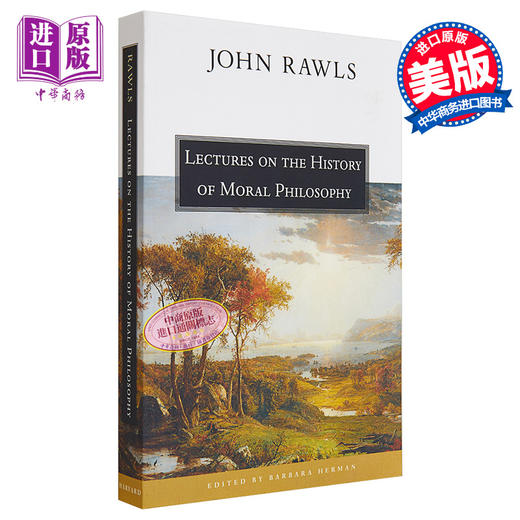
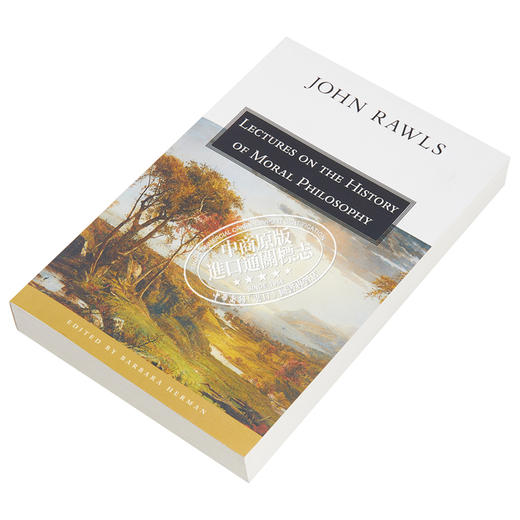
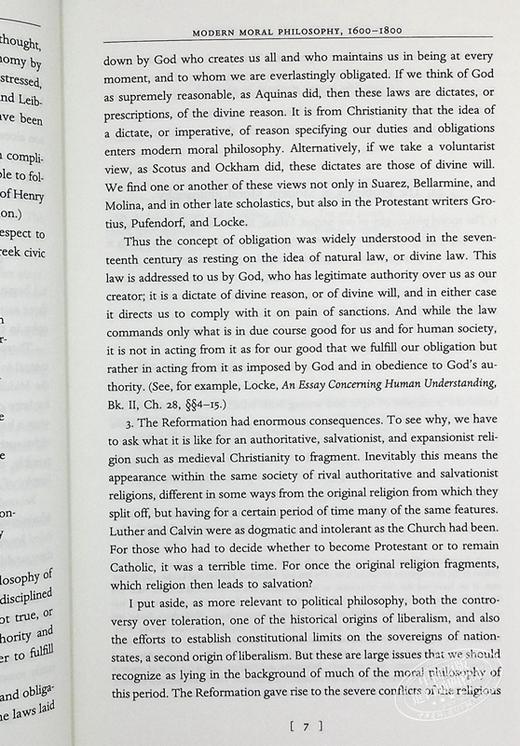
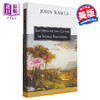
【中商原版】道德哲学史讲座 英文原版 Lectures on the History of Moral Philosophy
| 运费: | ¥ 5.00-30.00 |
| 库存: | 1 件 |


商品详情
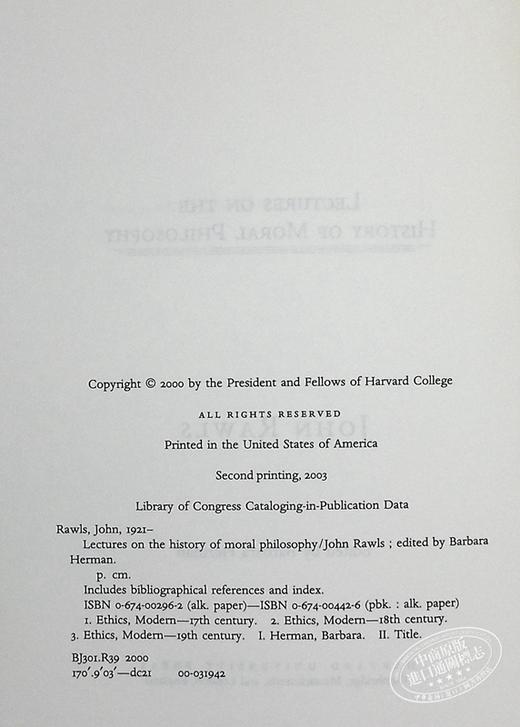
Lectures on the History of Moral Philosophy
基本信息
Format:Paperback | 416 pages
Dimensions:156 x 235 x 28.19mm | 458g
Publication date:15 Nov 2000
Publisher:HARVARD UNIVERSITY PRESS
Publication City/Country:Cambridge, Mass, United States
Language:English
ISBN10:0674004426
ISBN13:9780674004429
书籍简介
约翰·罗尔斯是当时的首要政治哲学家,他在哈佛大学任教了30年,对今天人们对待和理解哲学伦理学的方式产生了深远影响。这本书汇集了激励了一代学生的讲座,以及道德哲学的复兴。它邀请读者从最著名的现代道德哲学典范与当代哲学最值得注意的实践者和教师之一的启发指导。
罗尔斯的研究方法的核心是这样一种观点,即对我们伟大的传统文本的尊重和关注,可以在几个世纪后带来丰富的思想交流。本着这种精神,他的书吸引了莱布尼茨、休谟、康德和黑格尔等思想家的参与,因为他们都在以睿智而富有启发性的方式努力定义道德概念在人类生活中的作用。这些讲座描述了四种基本的道德推理类型:完美主义、功利主义、直觉主义和——罗尔斯课程的最终焦点——康德建构主义。它们包含了关于道德哲学史的一流课程,也提供了独特的见解,让我们了解约翰·罗尔斯如何改变了我们对这段历史的看法。
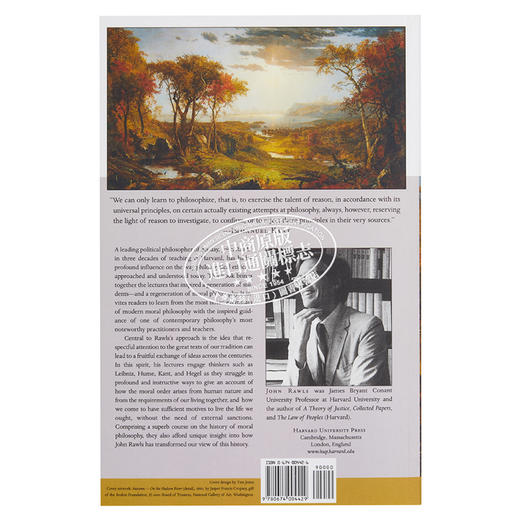
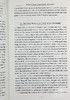
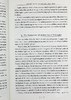
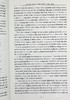
The premier political philosopher of his day, John Rawls, in three decades of teaching at Harvard, has had a profound influence on the way philosophical ethics is approached and understood today. This book brings together the lectures that inspired a generation of students--and a regeneration of moral philosophy. It invites readers to learn from the most noted exemplars of modern moral philosophy with the inspired guidance of one of contemporary philosophy's most noteworthy practitioners and teachers.
Central to Rawls's approach is the idea that respectful attention to the great texts of our tradition can lead to a fruitful exchange of ideas across the centuries. In this spirit, his book engages thinkers such as Leibniz, Hume, Kant, and Hegel as they struggle in brilliant and instructive ways to define the role of a moral conception in human life. The lectures delineate four basic types of moral reasoning: perfectionism, utilitarianism, intuitionism, and--the ultimate focus of Rawls's course--Kantian constructivism. Comprising a superb course on the history of moral philosophy, they also afford unique insight into how John Rawls has transformed our view of this history.
作者简介
约翰·罗尔斯是哈佛大学詹姆斯·布莱恩特·柯南特大学教授。他曾获1999年国家人文奖章。
John Rawls was James Bryant Conant University Professor at Harvard University. He was recipient of the 1999 National Humanities Medal.
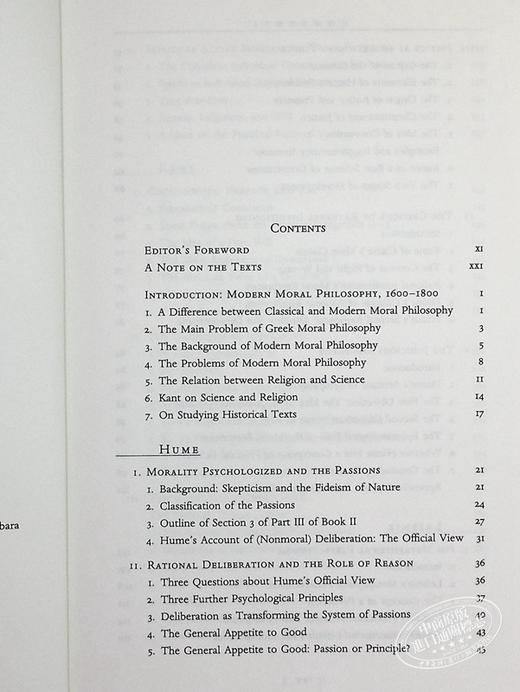
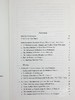
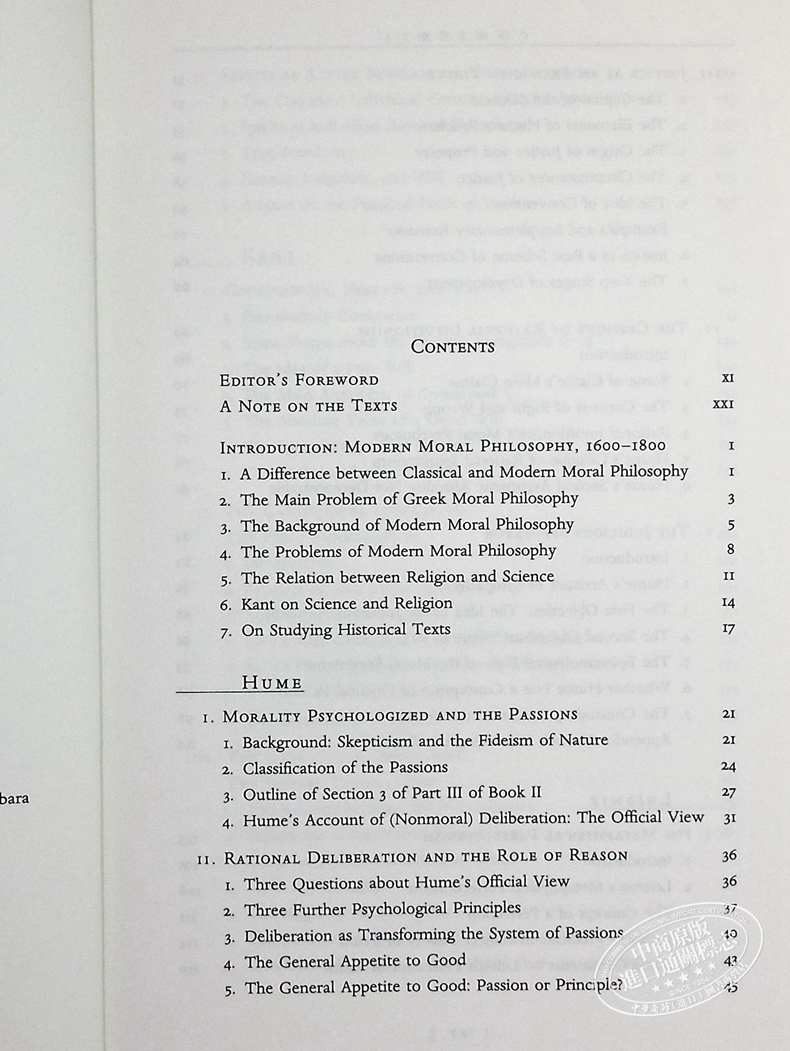
目录
Editors Foreword
A Note On The Texts
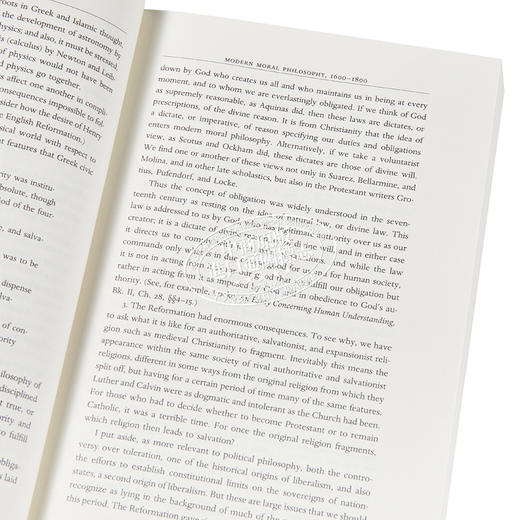
Introduction: Modern Moral Philosophy, 1600-1800
1. A Difference between Classical and Modern Moral Philosophy
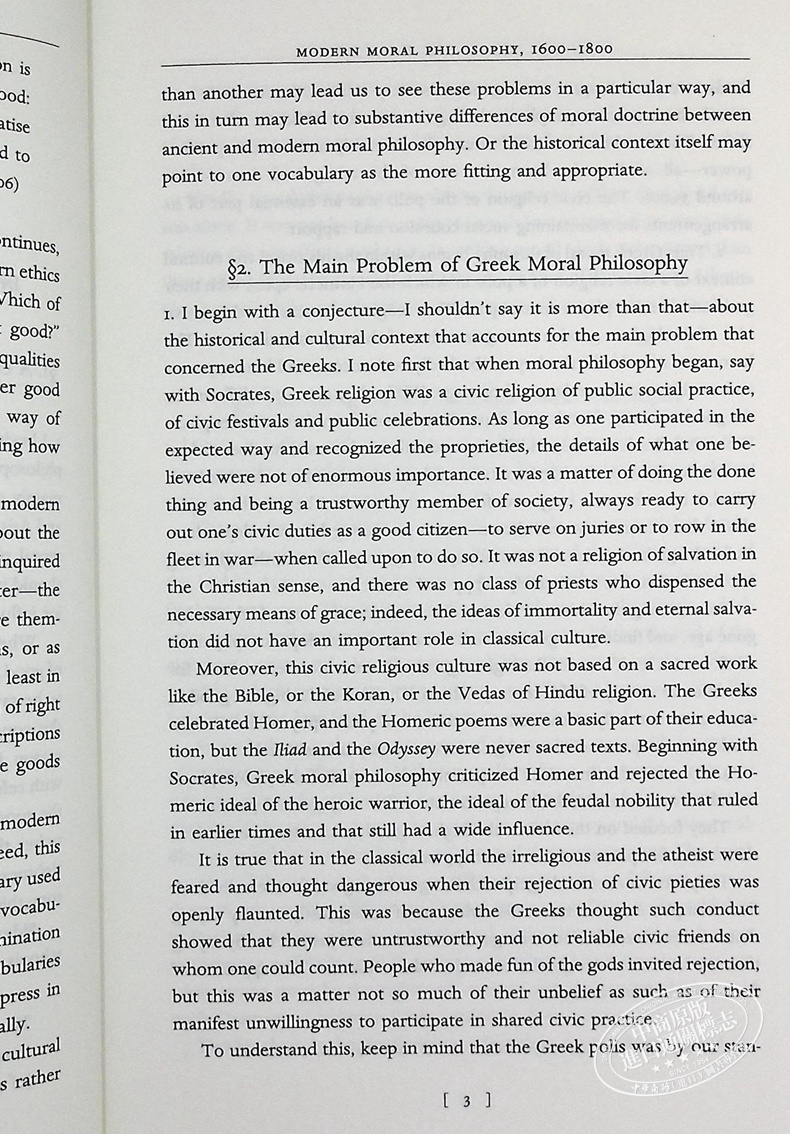
2. The Main Problem of Greek Moral Philosophy
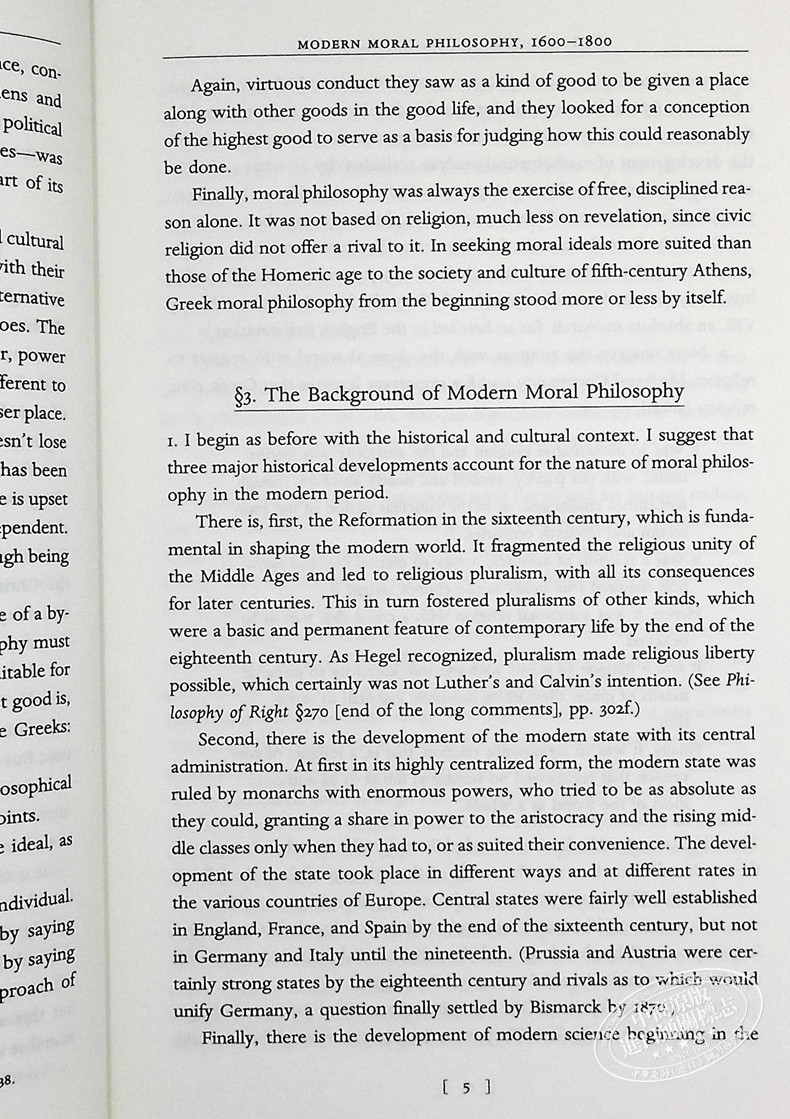
3. The Background of Modern Moral Philosophy
4. The Problems of Modem Moral Philosophy
5. The Relation between Religion and Science
6. Kant on Science and Religion
7. On Studying Historical Texts
HUME
I. Morality Psychologized and the Passions
1. Background: Skepticism and the Fideism of Nature
2. Classification of the Passions
3. Outline of Section 3 of Part III of Book II
4. Hume's Account of (Nonmoral) Deliberation: The Official View
II. Rational Deliberation and the Role of Reason
1. Three Questions about Hume's Official View
2. Three Further Psychological Principles
3. Deliberation as Transforming the System of Passions
4. The General Appetite to Good
5. The General Appetite to Good: Passion or Principle?
III. Justice as an Artificial Virtue
1. The Capital of the Sciences
2. The Elements of Hume's Problem
3. The Origin of Justice and Property
4. The Circumstances of Justice
5. The Idea of Convention Examples and Supplementary Remarks
6. Justice as a Best Scheme of Conventions
7. The Two Stages of Development
IV. The Critique of Rational Intuitionism
1. Introduction
2. Some of Clarke's Main Claims
3. The Content of Right and Wrong
4. Rational Intuitionism's Moral Psychology
5. Hume's Critique of Rational Intuitionism
6. Hume's Second Argument: Morality Not Demonstrable
V. The Judicious Spectator
1. Introduction
2. Hume's Account of Sympathy
3. The First Objection: The Idea of the Judicious Spectator
4. The Second Objection: Virtue in Rags Is Still Virtue
5. The Epistemological Role of the Moral Sentiments
6. Whether Hume Has a Conception of Practical Reason
7. The Concluding Section of the Treatise
Appendix: Hume's Disowning the Treatise
LEIBNIZ
I. His Metaphysical Perfectionism
1. Introduction
2. Leibniz's Metaphysical Perfectionism
3. The Concept of a Perfection
4. Leibniz's Predicate-in-Subject Theory of Truth
5. Some Comments on Leibniz's Account of Truth
II. Spirits As Active Substances: Their Freedom
1. The Complete Individual Concept Includes Active Powers
2. Spirits as Individual Rational Substances
3. True Freedom
4. Reason, Judgment, and Will
5. A Note on the Practical Point of View
KANT
I. Groundwork: Preface And Part I
1. Introductory Comments
2. Some Points about the Preface: Paragraphs 11-13
3. The Idea of a Pure Will
4. The Main Argument of Groundwork I
5. The Absolute Value of a Good Will
6. The Special Purpose of Reason
7. Two Roles of the Good Will
II. The Categorical Imperative: The First Formulation
1. Introduction
2. Features of Ideal Moral Agents
3. The Four-Step CI-Procedure
4. Kant's Second Example: The Deceitful Promise
5. Kant's Fourth Example: The Maxim of Indifference
6. Two Limits on Information
7. The Structure of Motives
III. THE CATEGORICAL IMPERATIVE: THE SECOND FORMULATION
1. The Relation between the Formulations
2. Statements of the Second Formulation
3. Duties of Justice and Duties of Virtue
4. What Is Humanity?
5. The Negative Interpretation
6. The Positive Interpretation
7. Conclusion: Remarks on Groundwork 11:46-49
IV. THE CATEGORICAL IMPERATIVE: THE THIRD FORMULATION
1. Gaining Entry for the Moral Law
2. The Formulation of Autonomy and Its Interpretation
3. The Supremacy of Reason
4. The Realm of Ends
5. Bringing the Moral Law Nearer to Intuition
6. What Is the Analogy?
V. THE PRIORITY OF RIGHT AND THE OBJECT OF THE MORAL LAW
1. Introduction
2. The First Three of Six Conceptions of the Good
3. The Second Three Conceptions of the Good
4. Autonomy and Heteronomy
5. The Priority of Bight
6. A Note on True Human Needs
VI. Moral Constructivism
1. Rational Intuitionism: A Final Look
2. Kant's Moral Constructivism
3. The Constructivist Procedure
4. An Observation and an Objection
5. Two Conceptions of Objectivity
6. The Categorical Imperative: In What Way Synthetic A Priori?
VII. THE FACT OF REASON
1. Introduction
2. The First Fact of Reason Passage
3. The Second Passage: §§5-8 of Chapter 1 of the Analytic
4. The Third Passage: Appendix I to Analytic I, Paragraphs 8-15
5. Why Kant Might Have Abandoned a Deduction for the Moral Law
6. What Kind of Authentication Does the Moral Law Have?
7. The Fifth and Sixth Fact of Reason Passages
8. Conclusion
VIII. The Moral Law as the Law of Freedom
1. Concluding Remarks on Constructivism and Due Reflection
2. The Two Points of View
3. Kant's Opposition to Leibniz on Freedom
4. Absolute Spontaneity
5. The Moral Law as a Law of Freedom
6. The Ideas of Freedom
7. Conclusion
IX. THE MORAL PSYCHOLOGY OF THE RELIGION, BOOK I
1. The Three Predispositions
2. The Free Power of Choice
3. The Rational Representation of the Origin of Evil
4. The Manichean Moral Psychology
5. The Roots of Moral Motivation in Our Person
X. The Unity Of Reason
1. The Practical Point of View
2. The Realm of Ends as Object of the Moral Law
3. The Highest Good as Object of the Moral Law
4. The Postulates of Vernunftglaube
5. The Content of Reasonable Faith
6. The Unity of Reason
HEGEL
I. His Rechtsphilosophie
1. Introduction
2. Philosophy as Reconciliation
3. The Free Will
4. Private Property
5. Civil Society
II. Ethical Life and Liberalism
1. Sitttichkeit: The Account of Duty
2. Sittlickkeit: The State
3. Sittlichkeit: War and Peace
4. A Third Alternative
5. Hegel's Legacy as a Critic of Liberalism
Appendix: Course Outline
- 中商进口商城 (微信公众号认证)
- 中商进口商城中华商务贸易有限公司所运营的英美日韩港台原版图书销售平台,旨在向内地读者介绍、普及、引进最新最有价值的国外和港台图书和资讯。
- 扫描二维码,访问我们的微信店铺
- 随时随地的购物、客服咨询、查询订单和物流...