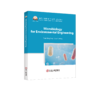
Microbiology for Environmental Engineering(环境科学基础理论)
| 运费: | ¥ 10.00-25.00 |
| 库存: | 30 件 |
商品详情
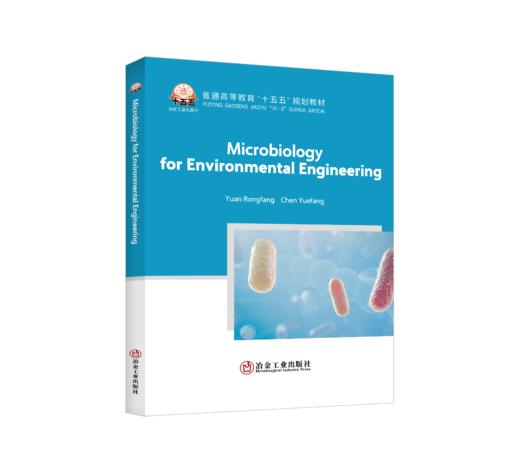
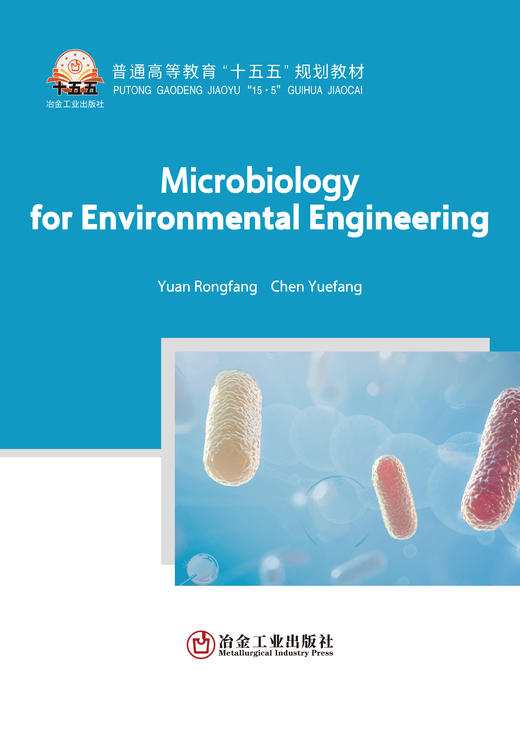
《Microbiology for Environmental Engineering》
作者:袁蓉芳 陈月芳
定价:45.00元
出版时间:2026-04
ISBN:978-7-5240-0598-8
内容简介
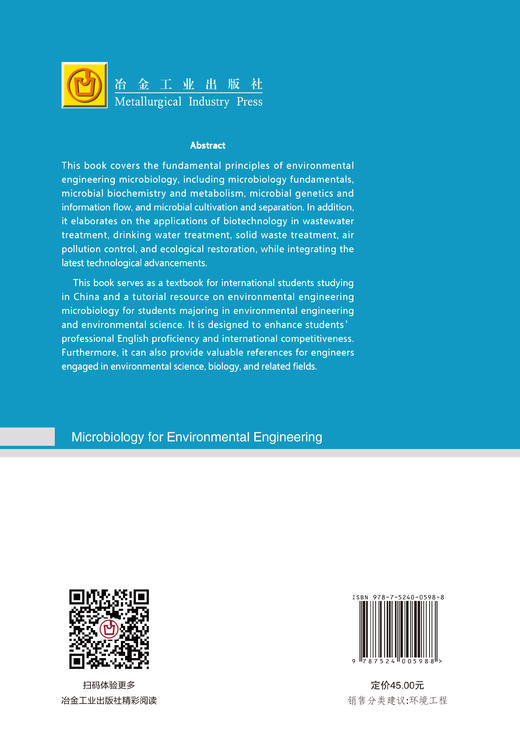
Abstract This book covers the fundamental principles of environmental engineering microbiology, including microbiology fundamentals, microbial biochemistry and metabolism, microbial genetics and information flow, and microbial cultivation and separation. In addition, it elaborates on the applications of biotechnology in wastewater treatment, drinking water treatment, solid waste treatment, air pollution control, and ecological restoration, while integrating the latest technological advancements. This book serves as a textbook for international students studying in China and a tutorial resource on environmental engineering microbiology for students majoring in environmental engineering and environmental science. It is designed to enhance students’ professional English proficiency and international competitiveness. Furthermore, it can also provide valuable references for engineers engaged in environmental science, biology, and related fields.
目录
1.1Overview of microbiology
1.1.1Discovery of microorganisms
1.1.2Development of microbiology
1.2Environmental pollution and pollutants
1.2.1Environmental pollution
1.2.2Environmental pollutants
1.3Application of microbial technology in environmental
engineering
Review questions
References
Chapter 2Basics of Environmental Microbiology
2.1Fundamentals of microbiology
2.1.1Microbial classification
2.1.2The microbial cell
2.2Prokaryotes
2.2.1Bacteria
2.2.2Archaea
2.3Eukaryotes
2.3.1Fungi
2.3.2Algae
2.3.3Protozoa
2.3.4Metazoa
Review questions
References
Chapter 3Biochemistry and Metabolism of Microorganisms
3.1Biochemistry
3.1.1Enzymes
3.1.2Enzyme reactivity
3.1.3Regulating enzyme activity
3.2Energy capture
3.2.1Electron and energy carriers
3.2.2Energy and electron investments
3.3Metabolism
3.3.1Catabolism
3.3.2Anabolism
3.3.3Metabolism and trophic groups
Review questions
References
Chapter 4Genetics and Microbial Ecology
4.1Genetics and information flow of microorganisms
4.1.1Deoxyribonucleic acid ㄗDNAㄘ
4.1.2Ribonucleic acid ㄗRNAㄘ
4.2Phylogeny
4.3Microbial ecology
4.3.1Selection
4.3.2Exchange of materials
4.3.3Adaption
4.4Tools to study microbial ecology
4.4.1Traditional enrichment methods
4.4.2Molecular tools
4.4.3Multispecies modeling
Review questions
References
Chapter 5Cultivation and Separation of Microorganisms
5.1Types and levels of nutrients
5.1.1Carbon sources
5.1.2Nitrogen sources
5.1.3Energy sources
5.1.4Inorganic salts
5.1.5Growth factors
5.1.6Water
5.2Microbial culture medium
5.2.1Types of culture medium
5.2.2Preparation principles of microbial culture medium
5.2.3Selection and optimization methods of culture medium
5.3Microbial cultivation
5.3.1Sources of environmental microbial strains
5.3.2Sterilization methods
5.3.3Laboratory liquid culture medium cultivation
5.3.4Laboratory solid culture medium cultivation
5.3.5Microbial cultivation in engineering practice
5.4Microbial separation
5.4.1Solid medium separation
5.4.2Liquid medium separation
5.5Microbial growth
5.5.1Basis of microbial growth
5.5.2Growth curve
Review questions
ReferencesChapter 6Application of Microbial Technology in Wastewater
Treatment6.1Aerobic suspended玨growth processes
6.1.1Characteristics of classical activated sludge
6.1.2Impacts of operating conditions
6.1.3Process configurations
6.2Biofilm processes
6.2.1Trickling filters
6.2.2Rotating biological contactor
6.3Nitrogen transformation and recovery
6.3.1Nitrification process
6.3.2Denitrification process
6.3.3Anammox process
6.3.4Biological treatment systems for nitrogen removal
6.4Phosphorus removal and recovery
6.4.1Normal phosphorus uptake into biomass
6.4.2Precipitation by metal玨salt addition to a biological process
6.4.3Enhanced biological phosphorus removal
6.4.4Phosphorus recovery
Review questions
ReferencesChapter 7Application of Microbial Technology in Drinking
Water Treatment7.1Aerobic biofilm processes to eliminate biological instability
7.1.1Biofilm pretreatment
7.1.2Hybrid biofiltration
7.1.3Slow biofiltration
7.2Biodegradation of specific organic compounds
7.2.1Factors causing molecular recalcitrance
7.2.2Biodegradation of important classes of environmental
contaminants
Review questions
ReferencesChapter 8Application of Microbial Technology in Solid Waste
Treatment8.1Anaerobic treatment by methanogenesis
8.1.1Process chemistry
8.1.2Process microbiology
8.1.3Special factors for the design of anaerobic sludge
digesters
8.1.4Reactor configurations
8.2Compost
8.2.1Framework of composting process
8.2.2Factors affecting the composting process
8.2.3Composting methods
8.2.4Application of composting
8.3Sanitary landfill
8.3.1Classification of sanitary landfill
8.3.2Sanitary landfill life cycle
8.3.3Sanitary landfill impact
Review questions
ReferencesChapter 9Application of Microorganisms in Air Pollution
Control9.1Microbial treatment for organic waste gas
9.1.1Treatment principle
9.1.2Treatment process
9.2Microbial treatment for sulfur玨containing odorous, NH3
and CO2
9.2.1Microbial treatment for sulfur玨containing odorous
9.2.2Microbial treatment for NH3
9.2.3Microbial treatment for CO2
9.3Microbial denitrification
9.3.1Treatment principle
9.3.2Treatment process
Review questions
References
Chapter 10Bioremediation
10.1Scope and characteristics of contaminants
10.1.1Organic pollutants
10.1.2Organic pollutant mixtures
10.1.3Mixtures created by codisposal
10.2Biodegradation feasibility studies
10.2.1Biodegradability
10.2.2Treatability studies
10.3Engineering strategies for bioremediation
10.3.1Intrinsic in玨situ bioremediation and natural attenuation
10.3.2Engineered in玨situ bioremediation
10.3.3In玨situ biobarrier
10.3.4Ex玨situ bioremediation
Review questions
References
- 冶金工业出版社图书旗舰店
- 冶金工业出版社,是国内历史最悠久的专业科技出版社之一。主要承担学术专著、技术著作、技术手册、专业辞书、大中专教材、职工培训教材、科普读物、人文社科、文集、史志、年鉴等图书的出版。
- 扫描二维码,访问我们的微信店铺