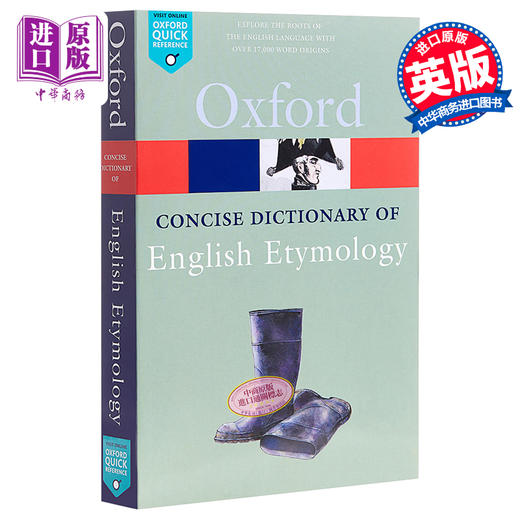
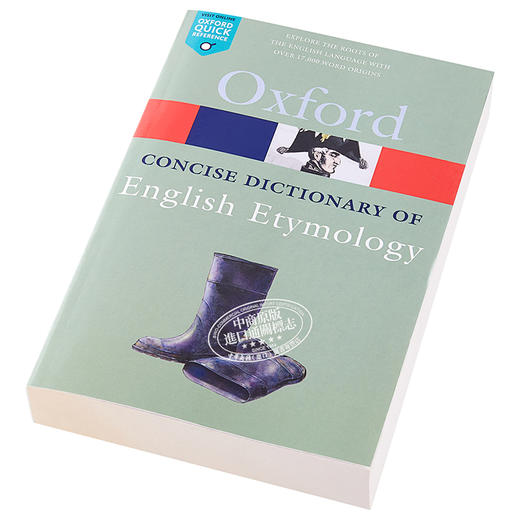
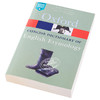
【中商原版】牛津词典:牛津简明英语词源词典 英文原版 The Concise Oxford Dictionary of English Etymology T. F. Hoad
| 运费: | ¥ 5.00-30.00 |
| 库存: | 3 件 |
商品详情
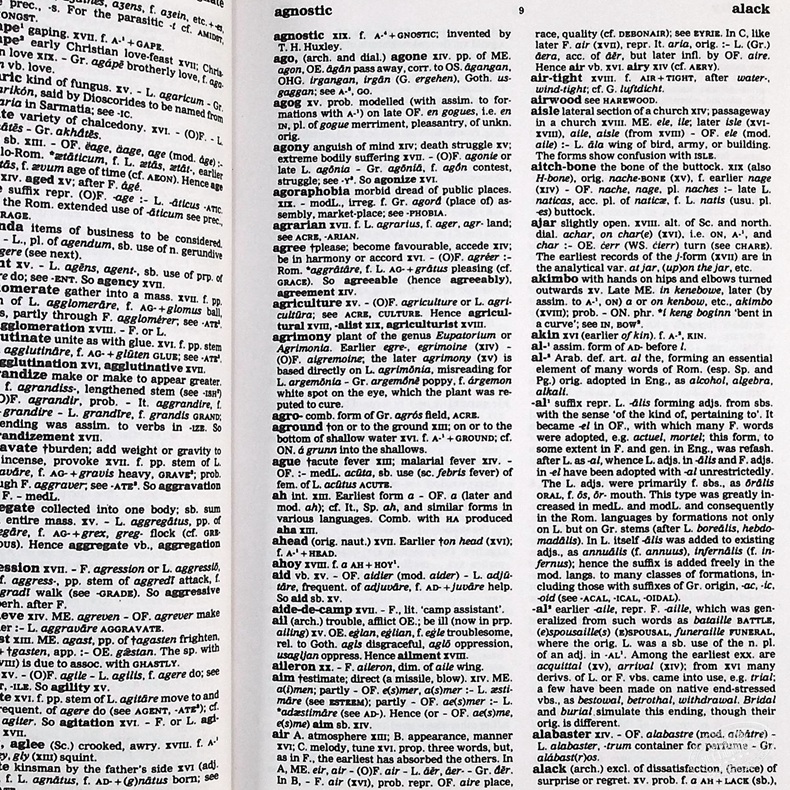
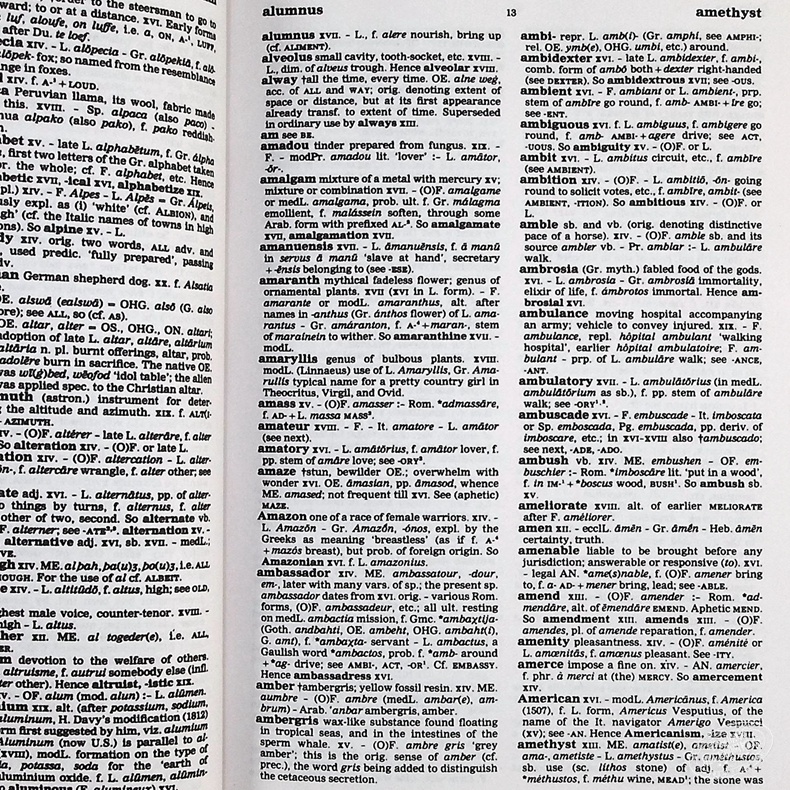
The Concise Oxford Dictionary of English Etymology
基本信息
Edited by:T.F. Hoad
Series:Oxford Quick Reference
Format:Paperback / softback 576 pages
Publisher:Oxford University Press
Imprint:Oxford University Press
ISBN:9780192830982
Published:3 Jun 1993
Weight:392g
Dimensions:195 x 130 x 28 (mm)
页面参数仅供参考,具体以实物为准
书籍简介
“平房”和“刺客”这两个词是从哪里得来的?在中世纪“好”是什么意思?adder, anger和umpire最初是怎么拼写的?答案可以在这本工具书中找到。
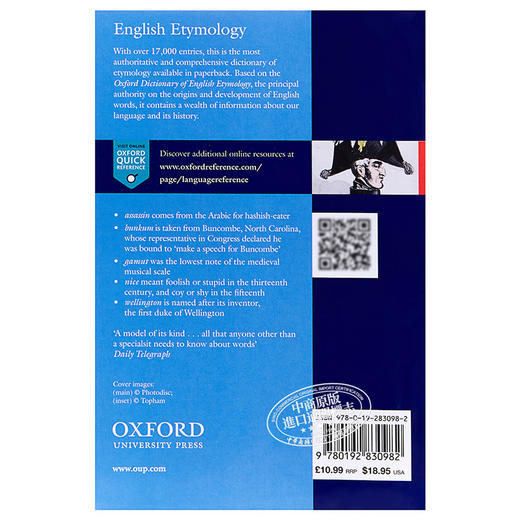
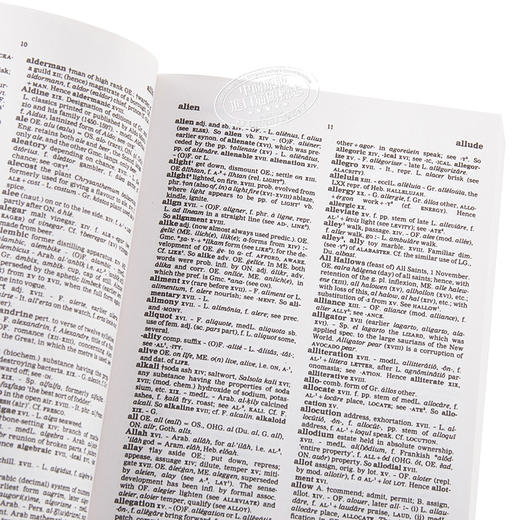
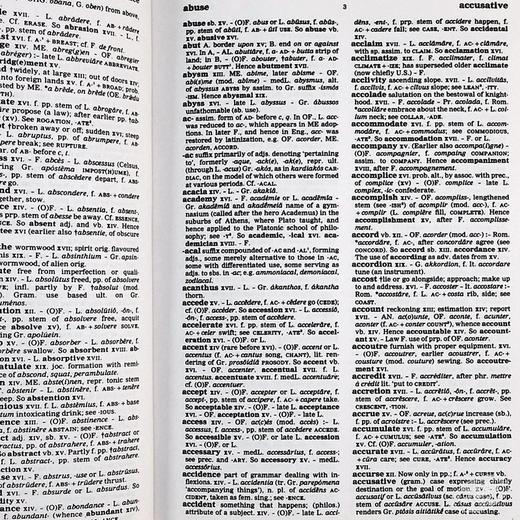
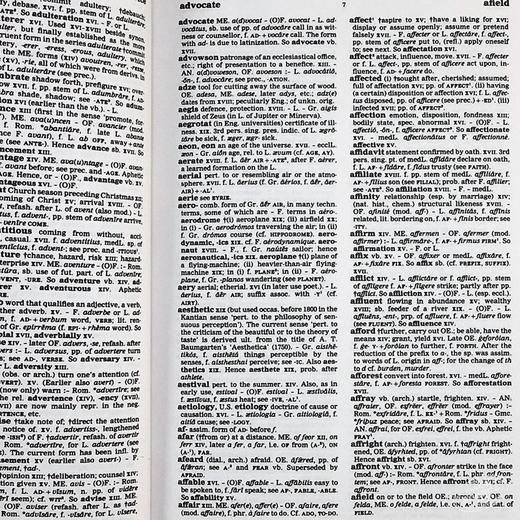
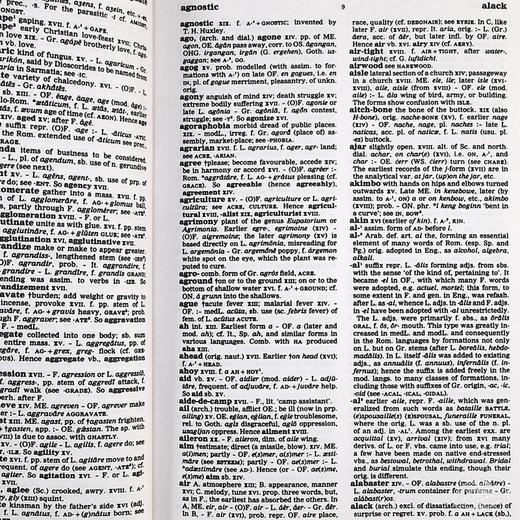
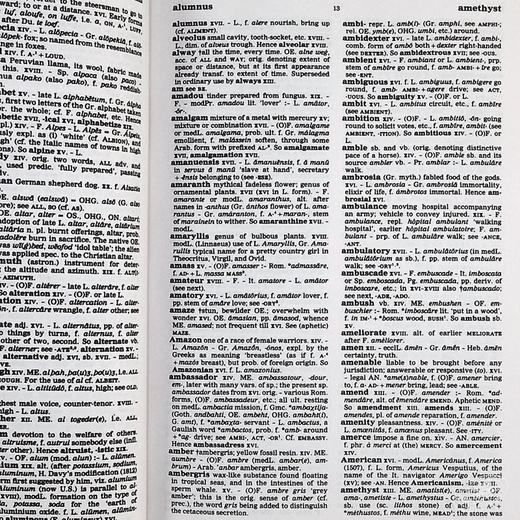
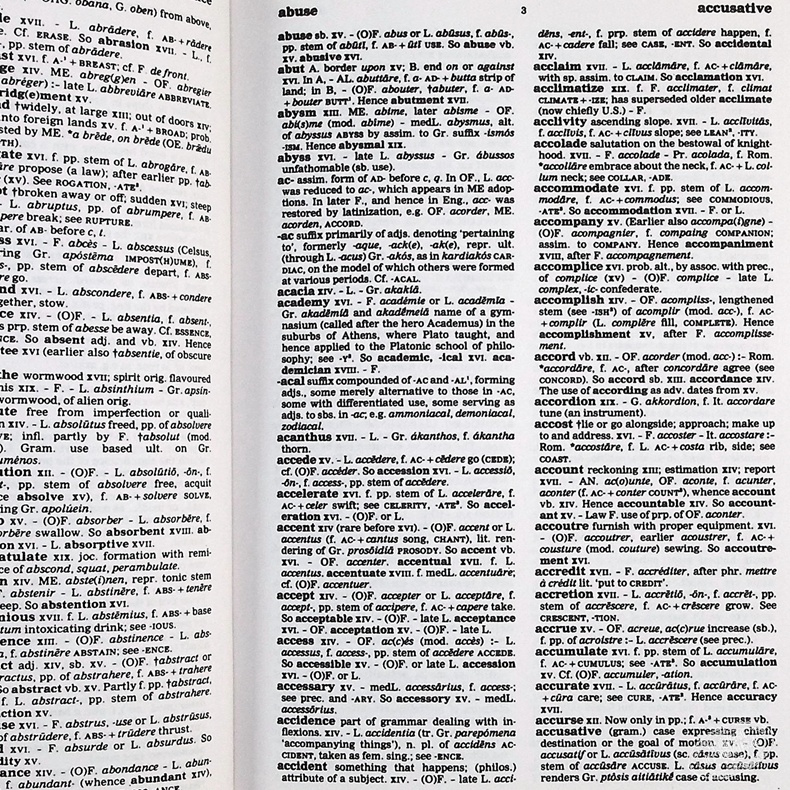
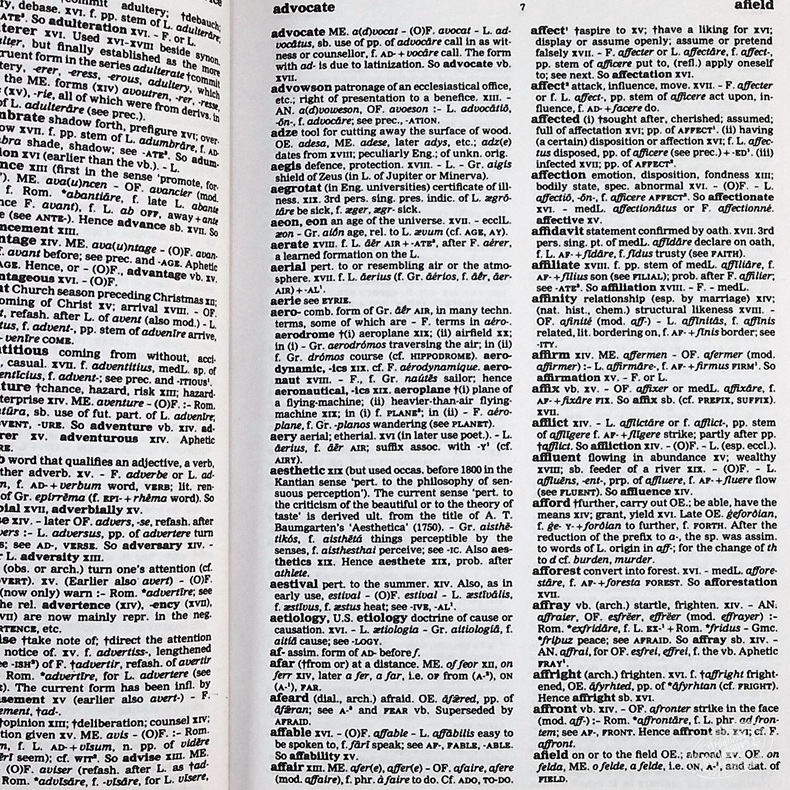
有超过17,000个条目,这是在平装书可得到的词的起源的最权威和全面的指南。《牛津英语词源词典》是研究英语单词起源和发展的权威词典,它收录了大量有关英语及其历史的信息。例如,读者会了解到bungalow最初的意思是“属于孟加拉的”,刺客来自阿拉伯语,意为“吃土食的人”,nice在13世纪的意思是“愚蠢或愚蠢的”,在15世纪的意思是“腼腆或害羞的”。adder, anger和umpire最初的拼写是n。这些只是在这本词典中发现的一些有趣的趣闻,对于任何对丰富的英语语言感兴趣的人来说,这本词典都是必不可少的。
Where did the words bungalow and assassin derive? What did nice mean in the Middle Ages? How were adder, anger, and umpire originally spelled? The answers can be found in this essential companion to any popular dictionary.
With over 17,000 entries, this is the most authoritative and comprehensive guide to word origins available in paperback. Based on The Oxford Dictionary of English Etymology, the principal authority on the origin and development of English words, it contains a wealth of information about our language and its history. For example, readers will learn that bungalow originally meant "belonging to Bengal," that assassin comes from the Arabic for "Hashish-eater," and that nice meant "foolish or stupid" in the thirteenth century, "coy or shy" in the fifteenth. And adder, anger, and umpire were originally spelled with an initial "n." These are but a few of the fascinating tidbits found in this dictionary, which is a must for anyone interested in the richness of the English language.
作者简介
T. F. Hoad is Lecturer in English at Oxford University.
- 中商进口商城 (微信公众号认证)
- 中商进口商城中华商务贸易有限公司所运营的英美日韩港台原版图书销售平台,旨在向内地读者介绍、普及、引进最新最有价值的国外和港台图书和资讯。
- 扫描二维码,访问我们的微信店铺
- 随时随地的购物、客服咨询、查询订单和物流...