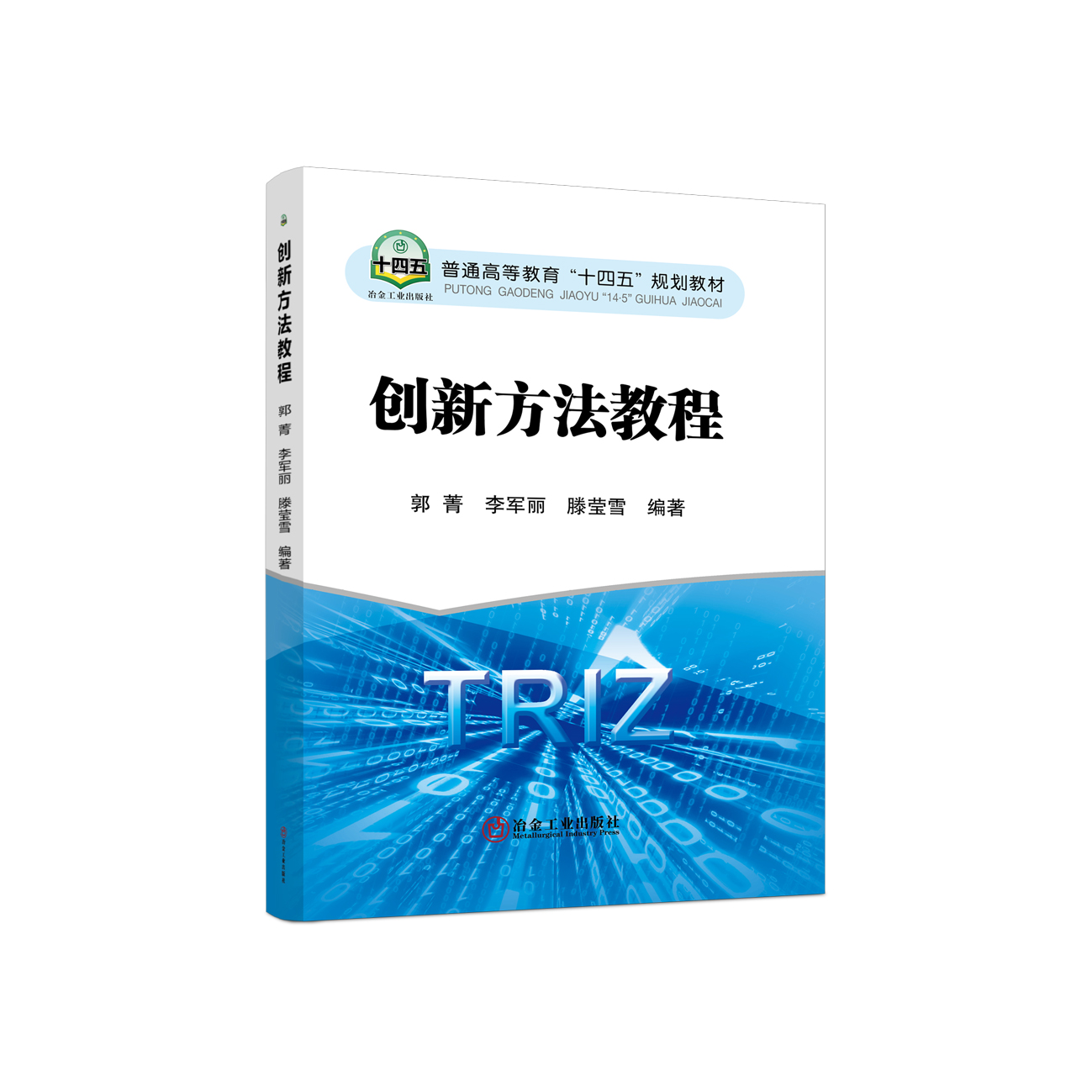
In-situ Rock Stress State and Its Engineering and Geological Applications
| 运费: | ¥ 10.00-25.00 |
| 库存: | 30 件 |
商品详情
In-situ Rock Stress State and Its Engineering and Geological Applications/李鹏著
定价:129
出版时间:2025-03
ISBN :978-7-5240-0141-6
内容提要
地应力是存在于地层中不受工程干扰的自然应力。地壳表面和内部的各种地质构造现象(包括浅层地震的发生)及其相关的物理化学过程都与地应力的作用密切相关,因此研究地壳岩体的应力状态具有重要的现实意义。地壳应力场具有显著的时空特征,其地应力状态具有复杂性和变异性,地应力测量的重要性已得到人们的高度认识,地应力测量结果已广泛应用于工程和地质领域。本书共分为六章,主要介绍了地应力测量技术、地应力预测与反演方法、不同应力场指标的比较方法、中国局部地应力分布特征、中国区域地应力状态、地应力状态的工程地质应用。
目录
Chapter 1: Overview of In-situ Stress Measurement Techniques 1.1 Flat jacking method 1.2 Hydraulic fracturing method 1.3 Borehole breakout method 1.4 Drilling induced tensile fracture method 1.5 Rigid cylinder stress gauge method 1.6 Acoustic emission method 1.7 Overcoring method 1.8 Borehole deformation method 1.9 Anelastic strain recovery method 1.10 Differential strain curve analysis method 1.11 Geophysical method References Chapter 2: Prediction and Inversion Methods for In-situ Stress 2.1 Predicting maximum horizontal stress using rock mass properties 2.1.1. Overcoring stress measurements 2.1.2. Relation between the stress and rock mass properties and depth 2.1.3. Linear relationship between rock mass properties and maximum horizontal stress 2.1.4. Fuzzy identification of the relationship between rock mass properties and maximum horizontal stress 2.2 Predicting in-situ stress using an embedded grey BP neural network model 2.2.1. Measured stress data 2.2.2. Grey model 2.2.3. Back propagation neural network 2.2.4. Embedded grey neural network combination model 2.2.5. Discussion 2.3. Inversion Approaches for In-situ Stress Field 2.3.1. Inverse algorithm for stress field 2.3.2. Optimization inversion method for stress field 2.3.3. Stress field inversion method considering geological characteristics 2.3.4. Stress field inversion method considering temperature and seepage effects 2.3.5. Stress field inversion method considering scale effect References Chapter 3: Comparison Approaches for Different Stress Indicators 3.1. In-situ stress measurements 3.1.1. Overcoring data 3.1.2. Hydraulic fracturing data 3.2. Comparison and evaluation of overcoring and hydraulic fracturing stress measurements 3.2.1. Stress magnitude 3.2.2. Stress orientation 3.3. Bayesian quantification of overcoring and hydraulic fracturing stress measurements 3.3.1. Improved Bayesian regression approach 3.3.2. Distribution model validation References Chapter 4: Distribution Characteristics of In-situ Stress Field in Local Areas in China 4.1 Stress state in a gold mine area in Ludong area 4.1.1. Geologic setting 4.1.2. Stress measurement results 4.1.3. Characteristics of stress field 4.1.4. Relation between the in-situ stress field and geological structure 4.1.5. Fault activity 84 4.2 Contemporary stress field in and around a gold mine area adjacent to the Bohai Sea 4.2.1. Geological setting 4.2.2. Stress data 4.2.3. Determined state of stress 4.2.4. Regional stress field assessment 4.2.5. Relation between the frictional strength and stress condition 4.3 Tectonic stress state in a coastal gold mine area near the Laizhou Gulf 4.3.1. Geological setting 4.3.2. Stress tensors 4.3.3. Present-day stress field 4.3.4. Relation between the stress field and tectonization 4.4 Current tectonic stress state in an iron mine district, North China 4.4.1. Geological setting and seismicity 4.4.2. Stress measurements 4.4.3. Determined state of the stress 4.4.4. Correlation between the stress field and geological tectonics 4.5 Current stress field in a coal mining district, central China 4.5.1. Tectonic setting, neotectonics, and seismicity 4.5.2. Stress measurements 4.5.3. Measured stress field 4.5.4. Correlation between the current stress field and tectonism 4.5.5. Estimation of the stress field References Chapter 5: Regional In-situ Stress State in China 5.1 Stress state in the Jiaodong Peninsula of China 5.1.1. Regional tectonic and geological setting 5.1.2. Seismic activity and its characteristics 5.1.3. Regional main fault structure analysis 5.1.4. Stress field 5.1.5. Regional stress field assessment 5.2 Stress state around the Yishu fault zone, eastern China 5.2.1. Geological background 5.2.2 Stress measurement data 5.2.3. Stress magnitudes 5.2.4. Stress orientations 5.2.5. Regional fault stability 5.3 Stress state in the capital area of China 5.3.1. Geological setting and fault structure analysis 5.3.2. Stress data 5.3.3. Stress directions 5.3.4. Stress magnitudes 5.3.5. Fault stability analysis 5.3.6. Discussion References Chapter 6: Engineering and Geological Applications of In-situ Stress State 6.1 Mining engineering 6.1.1. Mining design optimization 6.1.2. Rockburst mechanism and prediction 6.1.3. Stability control of surrounding rock 6.1.4. Fault stability assessment 6.1.5. Exploration and development of coalbed methane 6.1.6. Coal and gas outburst prediction 6.1.7. Evaluation of water inrush from coal floor 6.1.8. High-stress rock breaking 6.1.9. Discussion 6.2 Faulting 6.2.1. Stress state near faults 6.2.2. Influence of stress changes on faulting 6.2.3. Fault reactivation analysis 6.2.4. Correlation between stresses and fault properties 6.3 Seismicity 6.3.1. Interactions between the stress state and seismicity 6.3.2. Seismic risk assessment 6.3.3. Earthquake prediction 6.3.4. Challenges and future research trends References
- 冶金工业出版社图书旗舰店
- 冶金工业出版社,是国内历史最悠久的专业科技出版社之一。主要承担学术专著、技术著作、技术手册、专业辞书、大中专教材、职工培训教材、科普读物、人文社科、文集、史志、年鉴等图书的出版。
- 扫描二维码,访问我们的微信店铺