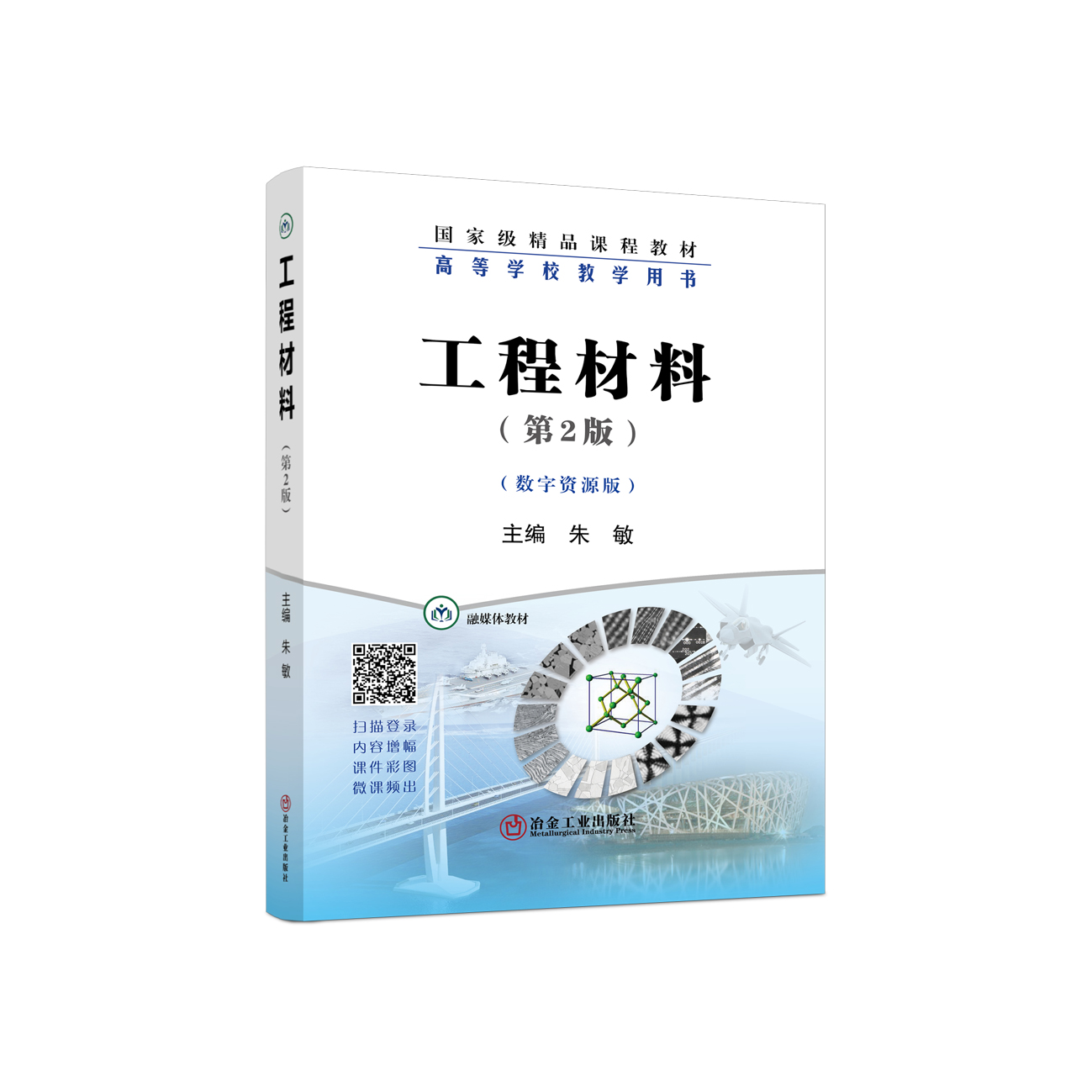
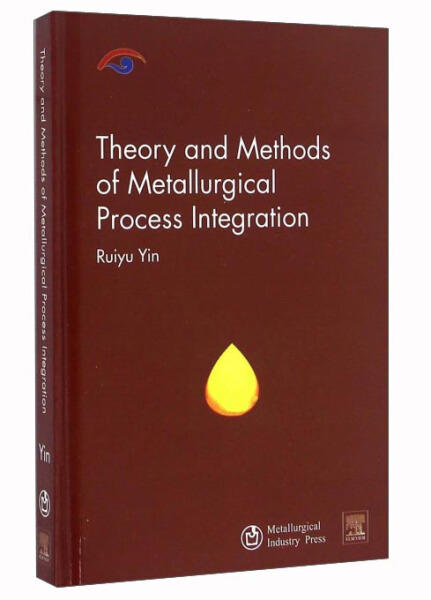
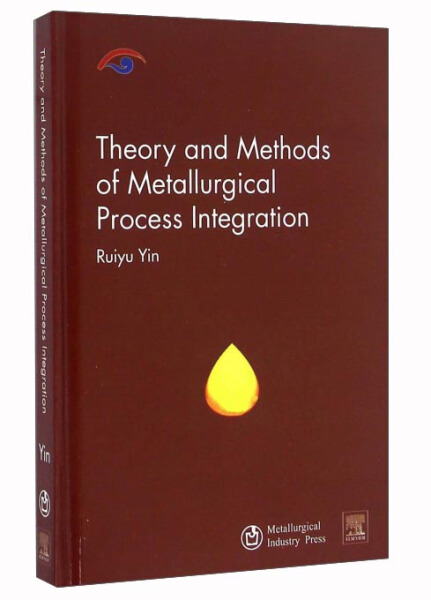
Theory and Methods of Metallurgical Process Integration/殷瑞钰
| 运费: | ¥ 10.00-25.00 |
| 库存: | 30 件 |
商品详情
内容简介
本书是一本关于冶金过程工程理论与工程运行实践并重的专著。作者近年来对冶金流程动态运行的物理本质进行了深入的理论探索,以三类物理系统为理论基础,阐述了流程动态运行的基本概念、要素和规律,讨论了制造流程中物质流、能量流、信息流相互作用和协同运行的关系,提出了建立新一代钢铁制造流程的理论框架和钢厂动态精准设计的概念、理论和方法。从理论上论证了新一代钢铁制造流程应具有三个功能,即钢铁产品制造功能、能源转换功能、废弃物消纳—处理和再资源化功能。
目录
PrefaceChapter 1 IntroductionChapter 2 Concept and theory of dynamic operation of the manufacturing process 2.1 Process system and basic concepts2.1.1 Process manufacturing industry2.1.2 Time-space scales of the process2.1.3 Process and manufacturing process2.2 Process engineering and manufacturing process engineering2.2.1 Engineering and engineering science2.2.2 Process engineering2.2.3 Manufacturing process engineering2.3 Physical essence of dynamic operation for manufacturing process system2.3.1 Features of manufacturing process2.3.2 Essence and functions of steel manufacturing process2.4 Dynamic operation process and physical levels of process system2.4.1 Physical features for the dynamic operation of process system2.4.2 Three kinds of physical systems2.5 Evolution of thermodynamics2.5.1 From thermomechanics to thermodynamics2.5.2 Classification of thermodynamics system2.5.3 Irreversibility2.5.4 Evolution process of stable state——the quasi-equilibrium area2.5.5 Linearly irreversible process2.6 Opening system and dissipative structure2.6.1 What is the dissipative structure2.6.2 Features of dissipative structure2.6.3 Formation condition of dissipative structure2.6.4 Fluctuation, nonlinear interaction and self-organization of engineering system2.6.5 Critical point and critical phenomenaReferencesChapter 3 Basic elements for dynamic operation of the steel manufacturing process3.1 “Flow” of manufacturing process——mass flow, energy flow, information flow3.2 Relationship between mass flow and energy flow3.3 Mass flow/energy flow and information flow3.4 Manufacturing process “network”3.4.1 What is the “network”3.4.2 How to study the “network”3.5 Program of manufacturing process operation3.6 Dissipation in dynamical and orderly operation system3.6.1 “Flow” types and dissipation3.6.2 Operation rhythm and dissipation3.6.3 Distribution of functions of sub-processes and dissipation3.7 Forms of time in steel manufacturing process and their connotation3.8 Contents and objectives for dynamic operation of steel manufacturing process3.8.1 Recognition3.8.2 Research contents3.8.3 Strategic research objectivesReferencesChapter 4 Characteristics and analysis of the dynamic operation of steel manufacturing process4.1 Research method of dynamic operation process4.1.1 Evolution of vision and conception4.1.2 Research method of process engineering4.2 Dynamic operation and structure optimization of process system4.2.1 Process system and structure4.2.2 Connotations of steel plant structure and the trend of steel plant restructuring4.2.3 Dynamics and running rules of the macroscopic operation of manufacturing process4.2.4 Laminar running style and turbulent running style4.2.5 The relationship between dynamic operation and optimization of process structure4.3 Self-organization of manufacturing process and hetero-information organization4.3.1 Self-organization and hetero-organization of process4.3.2 Self-organization phenomenon in steel manufacturing process4.3.3 Self-organization and hetero-organization in process integration4.3.4 Impact of informatization on self-organization and hetero-organization4.4 Dynamic operation of mass flow and time-space management4.4.1 Dynamic regulation of the time and the dynamic operation Gantt chart4.4.2 Conception of clean steel and the high efficiency, low cost production platform of clean steel4.4.3 High efficiency, low cost clean steel production platform and the dynamic operation Gantt chart4.4.4 Laminar type and turbulent type operation of mass flow in steel production processes4.5 Function and behavior of energy flow, and energy flow network in steel manufacturing process4.5.1 Re-understanding of physical essence and operation rules of the steel manufacturing process4.5.2 Research method and feature of energy flow in the process4.5.3 Energy flow and energy flow network in steel plants4.5.4 Macroscopic operating dynamics of the energy flow in steel manufacturing process4.5.5 Energy flow network control system and energy control centerReferencesChapter 5 Dynamic precise design and integration theory of steel plants5.1 Tradition of present status of design5.1.1 How to understand design5.1.2 The situation of design theory and its methodology in China5.1.3 Present status of design theory and methodology for steel plants in China5.2 Engineering design5.2.1 Engineering and design5.2.2 Innovation of engineering design5.2.3 Engineering design and knowledge innovation5.2.4 Engineering design and dynamic precise design5.3 Design theory and methodology for steel plants5.3.1 Background for innovation of design theory and methodology of steel plants5.3.2 Theory, concept and development trend for steel plant design5.3.3 Innovation roadmap of design methodology of steel plants5.3.4 Dynamic coupling of dynamic-orderly operation of steel manufacturing process5.3.5 Energy flow network of steel manufacturing process5.4 Dynamic precise design of steel plants5.4.1 Difference between traditional static design and dynamic precise design of steel plants5.4.2 Flow chart of dynamic precise design5.4.3 Core ideas and steps of dynamic precise design5.5 Integration and structure optimization5.5.1 Integration and engineering integration5.5.2 Structure of steel plantsReferencesChapter 6 Case studies6.1 Blast furnace enlargement and the structure optimization of steel manufacture process6.1.1 The trend of blast furnace ironmaking6.1.2 Blast furnace enlargement based on the optimization of manufacture process structure of a steel plant6.1.3 Comparison of ironmaking technologies used for BFs with different inner capacities6.1.4 Discussions6.2 Interface technique between BF-BOF and multi-functional hot metal ladle6.2.1 General idea of multi-functionalization of hot metal ladle (the technology of “one ladle to the end”)6.2.2 Multi-functional hot metal ladle and its practice at Jingtang Steel6.2.3 Practice of hot metal ladle multi-functionalization at Sha Steel6.2.4 Discussion6.3 Full pretreatment (De-S, De-Si, De-P) of hot metal and high efficiency and low cost clean steel production platform6.3.1 Why adopt the full pretreatment of hot metal6.3.2 Analytic optimization of sub-process’ functions, coordinating optimization of relationships among sub-processes in the hot metal full pretreatment process6.3.3 A case study of full pretreatment of hot metal——new steelmaking workshop at Wakayama Steel works of Sumitomo Metals Industry6.3.4 Different types of steel plants with hot metal full pretreatment in Japan6.3.5 Development of hot metal full pretreatment in Korea6.3.6 Design and operation of hot metal full pretreatment at Jingtang Steel in China6.3.7 The tentative ideas about high efficiency and low cost clean steel production platform for large scale full sheet production steelmaking workshops)6.3.8 Theoretical significance and practical value of hot metal full pretreatment in steelmaking production process6.4 Optimization of interface technique between continuous casting and bar mill6.4.1 Basic technology of billet direct hot charging6.4.2 Actual performance of billet direct hot charging between No.6 caster and No.1 bar mill6.4.3 Actual performance of billet direct hot charging between No.5 caster and No.2 bar mill6.4.4 Progress on billet weight optimization6.4.5 DiscussionReferencesChapter 7 Engineering thinking and new generation steel manufacturing process 7.1 Engineering thinking7.1.1 Relationships among science, technology and engineering7.1.2 Characteristics of mode of thinking in Chinese culture7.1.3 Searching the innovation approach of engineering from the deletion of ‘reductionism’7.2 Engineering evolution7.2.1 Concept and definition of evolution7.2.2 Technological progress and engineering evolution7.2.3 Integration and engineering evolution 7.3 Thinking & studying on new generation steel manufacturing process7.3.1 Concept study of steel manufacturing process7.3.2 Top-level design of the process7.3.3 Dynamic precise design of steel manufacturing process7.3.4 Rule study on the dynamic operation of steel manufacturing process7.3.5 Some recognitions of new generation steel manufacturing process7.4 Consideration of the development trend of metallurgical engineering from the view point of engineering philosophy ReferencesPostscriptIndexList of figuresList of tables
作者简介
殷瑞钰,1935年生于江苏苏州。中国著名钢铁冶金专家。1957年毕业于北京科技大学。1994年当选为中国工程院首批院士。历任唐山钢铁公司总工程师、副经理,河北省冶金厅厅长,冶金工业部总工程师、副部长,钢铁研究总院院长,中国工程院化工、冶金与材料工程学部主任、工程管理学部主任等职。现任中国工程院主席团成员,钢铁研究总院名誉院长等职。他长期从事科技和发展战略研究工作,特别是对20世纪90年代中国钢铁工业技术进步的战略选择和有序推进做了大量工程技术和理论研究工作;大力推进了连续铸钢,高炉喷吹煤粉,棒、线材连轧等多项关键共性技术的全国性突破。著有《冶金流程工程学》《工程哲学》《工程演化论》《冶金流程集成理论与方法》等著作。- 冶金工业出版社图书旗舰店
- 冶金工业出版社,是国内历史最悠久的专业科技出版社之一。主要承担学术专著、技术著作、技术手册、专业辞书、大中专教材、职工培训教材、科普读物、人文社科、文集、史志、年鉴等图书的出版。
- 扫描二维码,访问我们的微信店铺