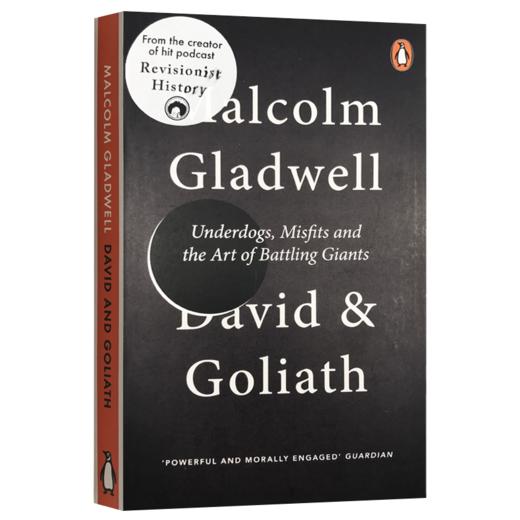
逆转 英文原版 David and Goliath 弱者如何找到优势 反败为胜 异类作者 格拉德威尔 英文版进口英语自我管理成功励志书
| 运费: | ¥ 0.00-999.00 |
| 库存: | 9 件 |
商品详情
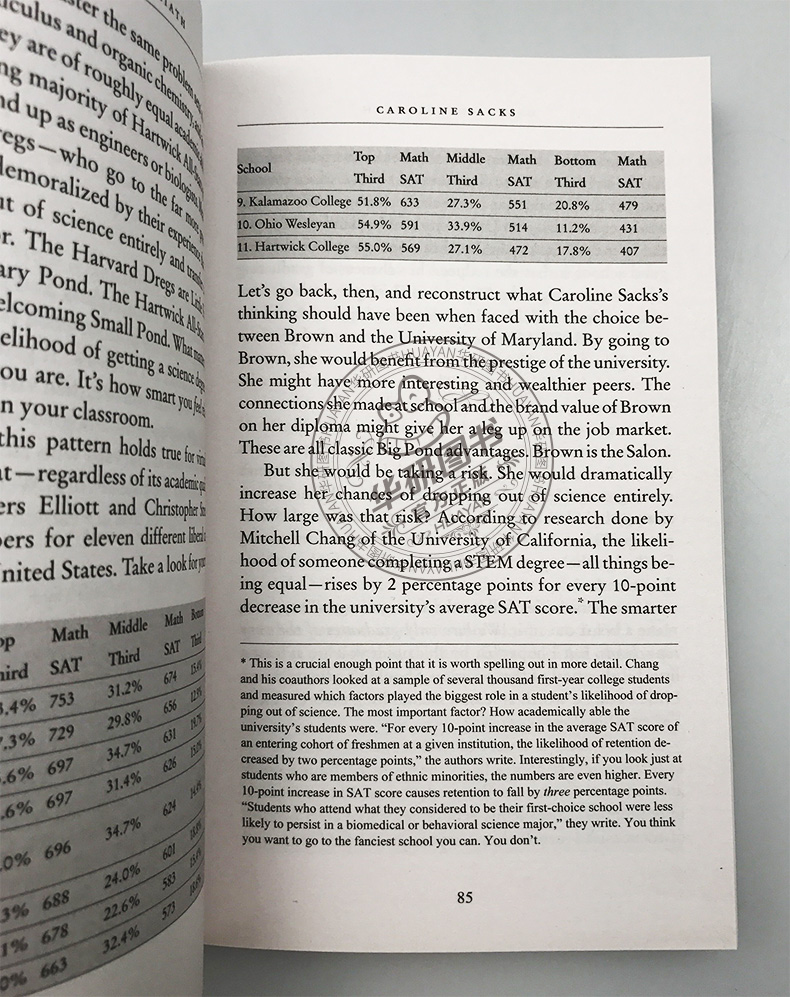
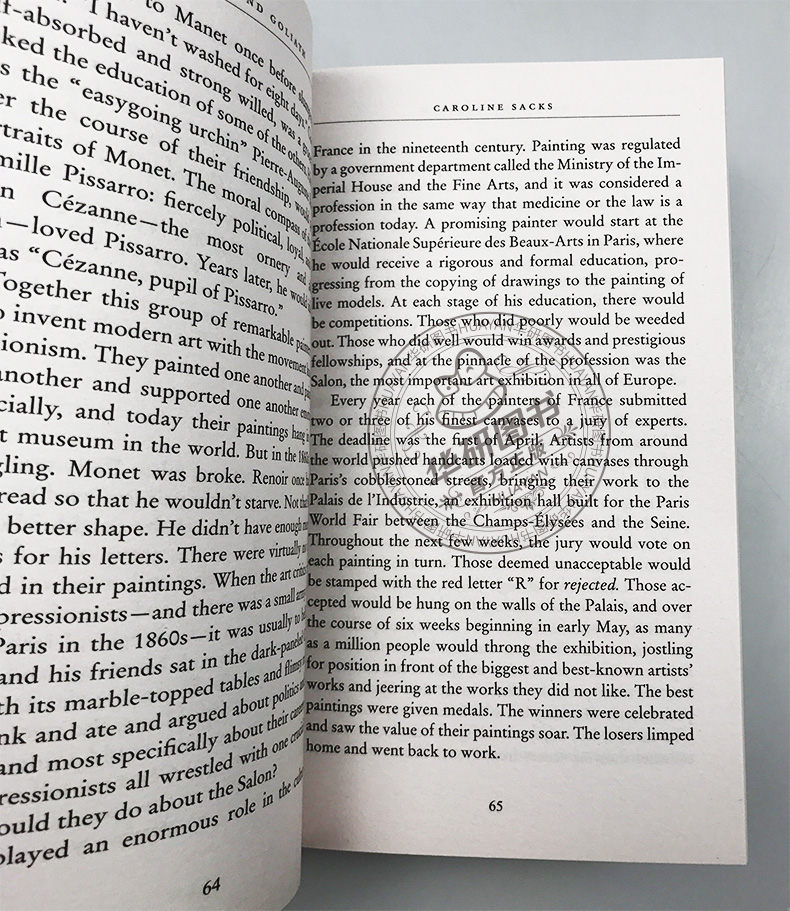
 书名:David and Goliath: Underdogs, Misfits and the Art of Battling Giants逆转:弱者如何找到优势,反败为胜
作者:Malcolm Gladwell
出版社名称:Penguin
出版时间:2014
语种:英文
ISBN:9780141978956
商品尺寸:11.1 x 1.8 x 18.1 cm
包装:平装
页数:320 (以实物为准)
本书从全新的切入点“以弱胜强的内在逻辑”来阐释世人关注的成功背后的重要秘密,并且继续采用作者的特色写法“案例阐释”来表达弱势与强势相关的各种观点。而这些案例所涉及的行业之广泛,历史之深远令人吃惊,也给人深刻的启迪。
如果你并非强者,亦或是你内心想要超越强者,那你不得不读这本书!它可以帮你通过研读以弱胜强的内在逻辑,在现实中找到看待自己优势与劣势的全新角度,挖掘内在超越强者的可能性!
Malcolm Gladwell's dazzling and provocative exploration of why everything we think we know about power is wrong
What if everything we thought about power was wrong? What if, in the ancient story of the shepherd boy who topples a giant, David actually had the advantage? This thought sets Malcolm Gladwell on an extraordinary journey that takes him from art to basketball, the brain to revolutions, along the way weaving unforgettable stories of misfits, outsiders, tricksters and underdogs who have faced outsized challenges and won. With his trademark warmth, humour and gift for showing us the world through new eyes, Gladwell lets us see why the powerful aren't always what we think they are - and that some of us have more strength and purpose than we could ever imagine.
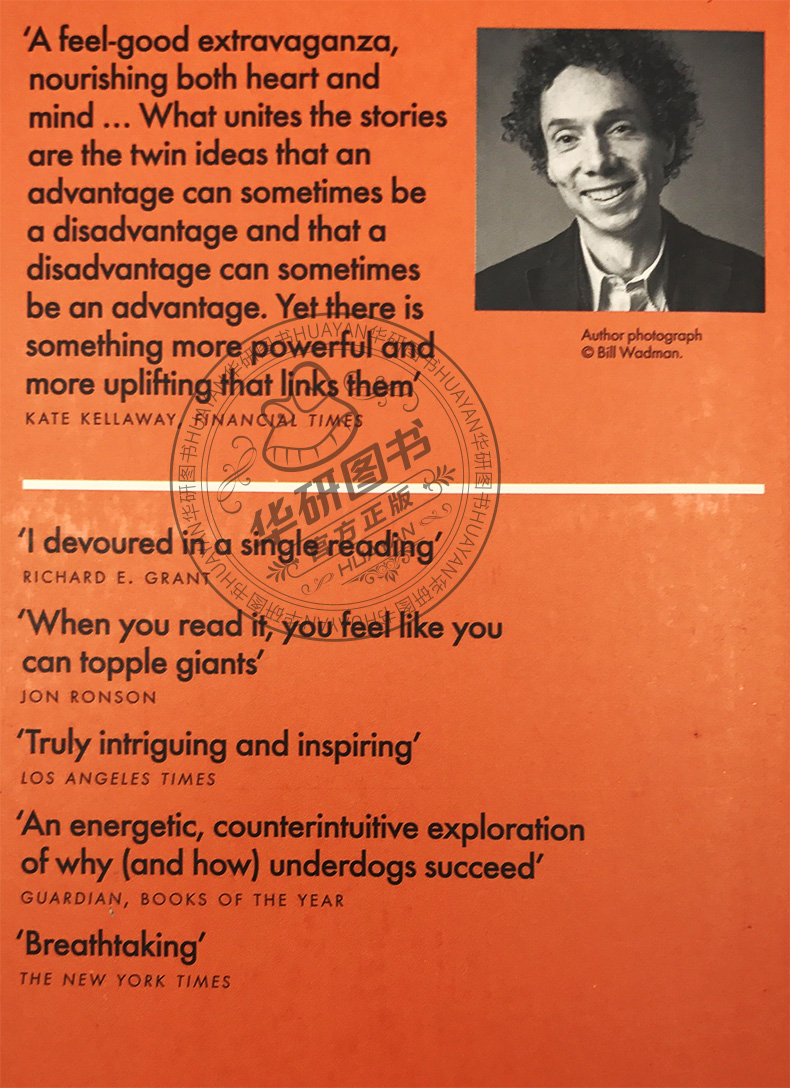
Review
“Breath-taking and thought-provoking” (The New York Times)
“Truly intriguing and inspiring” (Los Angeles Times)
“Gladwell's most enjoyable book so far. It is a feel-good extravaganza, nourishing both heart and mind. Each of its stories ... has an ending that is both happy and surprising.”(Financial Times)
“When you read it, you feel like you can topple giants” (Jon Ronson)
格拉德威尔精心设置叙事语境,用崭新的眼光审视众多以弱胜强的故事,向弱势群体和不适应生活的人展示取胜的原因和方法,特别是在与强者的对决中。他展示了重新界定重要价值的勇气:“这些年来,我们一直以错误的方式讲述以弱胜强的故事。《逆转》就是为了把偏见纠正过来。”
放下你的旧有思维,带着惊奇开始读这本书吧!它将让你重新思考能力与弱点的真正内涵,你将从一个全新的角度审视自己,认识他人,从而以弱取胜,甚至超过强者!
Malcolm Gladwell is the author of five international bestsellers: The Tipping Point, Blink, Outliers, What the Dog Saw, and David and Goliath. He is the host of the podcast Revisionist History and is a staff writer at The New Yorker. He was named one of the 100 most influential people by Time magazine and one of the Foreign Policy's Top Global Thinkers. Previously, he was a reporter with the Washington Post, where he covered business and science, and then served as the newspaper's New York City bureau chief. He graduated from the University of Toronto, Trinity College, with a degree in history. Gladwell was born in England and grew up in rural Ontario. He lives in New York.
 At the heart of ancient Palestine is the region known as the Shephelah, a series of ridges and valleys connecting the Judaean Mountains to the east with the wide, flat expanse of the Mediterranean plain. It is an area of breathtaking beauty, home to vineyards and wheat fields and forests of sycamore and terebinth. It is also of great strategic importance.
Over the centuries, numerous battles have been fought for control of the region because the valleys rising from the Mediterranean plain offer those on the coast a clear path to the cities of Hebron, Bethlehem, and Jerusalem in the Judaean highlands. The most important valley is Aijalon, in the north. But the most storied is the Elah. The Elah was where Saladin faced off against the Knights of the Crusades in the twelfth century. It played a central role in the Maccabean wars with Syria more than a thousand years before that, and, most famously, during the days of the Old Testament, it was where the fledgling Kingdom of Israel squared off against the armies of the Philistines.
The Philistines were from Crete. They were a seafaring people who had moved to Palestine and settled along the coast. The Israelites were clustered in the mountains, under the leadership of King Saul. In the second half of the eleventh century BCE, the Philistines began moving east, winding their way upstream along the floor of the Elah Valley. Their goal was to capture the mountain ridge near Bethlehem and split Saul’s kingdom in two. The Philistines were battle-tested and dangerous, and the sworn enemies of the Israelites. Alarmed, Saul gathered his men and hastened down from the mountains to confront them.
The Philistines set up camp along the southern ridge of the Elah. The Israelites pitched their tents on the other side, along the northern ridge, which left the two armies looking across the ravine at each other. Neither dared to move. To attack meant descending down the hill and then making a suicidal climb up the enemy’s ridge on the other side. Finally, the Philistines had enough. They sent their greatest warrior down into the valley to resolve the deadlock one on one.
He was a giant, six foot nine at least, wearing a bronze helmet and full body armor. He carried a javelin, a spear, and a sword. An attendant preceded him, carrying a large shield.

- 华研外语 (微信公众号认证)
- 本店是“华研外语”品牌商自营店,全国所有“华研外语”、“华研教育”品牌图书都是我司出版发行的,本店为华研官方源头出货,所有图书均为正规正版,拥有实惠与正版的保障!!!
- 扫描二维码,访问我们的微信店铺
- 随时随地的购物、客服咨询、查询订单和物流...




![2025雅思写作 华研外语剑桥雅思IELTS写作素材库+题库范文+随堂练习+视频课可搭真题阅读词汇 [IELTS Writing]](https://img01.yzcdn.cn/upload_files/2024/09/25/Fn0eBUQXM-ZOCzNfT12UKj10dNkM.jpg?imageView2/2/w/260/h/260/q/75/format/jpg)