





商品详情
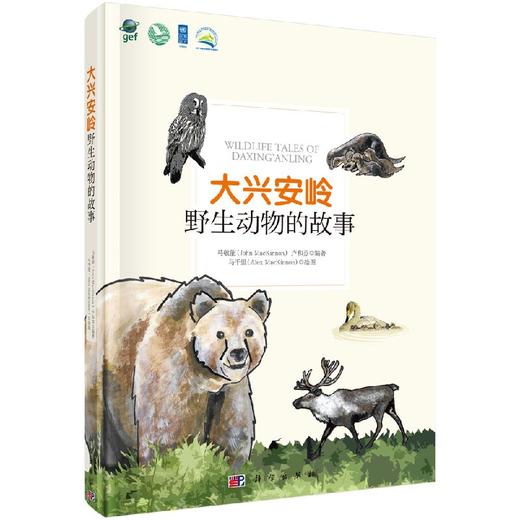
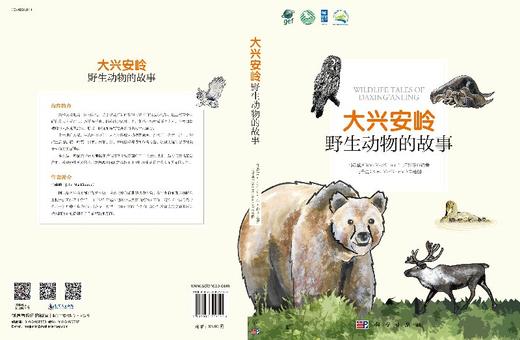
书名:大兴安岭野生动物的故事
定价:98.0
ISBN:9787030576149
作者:无
版次:1
出版时间:2018-06
内容提要:
大兴安岭地处中国的东北,位于黑龙江省西部和内蒙古自治区东北部。这里有着中国面积*大(超过19万平方千米)的连续的森林。大片的落叶松林沿不同方向,弯弯曲曲蜿蜒伸入黑龙江流域,形成一幅犹如马赛克拼接而成的壮丽画卷。
由于地广人稀,生态环境良好,大兴安岭成为动物的乐园。在这片广袤的土地上,繁衍生息着驯鹿、驼鹿、棕熊、水獗、鸦、黑嘴松鸡等各种珍禽异兽,这里也流传着各种关于动物的美丽传说。
目录:
目录
驯鹿怎么来到了大兴安岭How the Reindeer Came to Daxing’anling 2
棕熊与鄂温克族人The Relationship Between Brown Bears and the Evenkis 16
冰下捕食的水獭The Otters That Hunt Under the Ice 26
为什么鄂温克族人惧怕丘鹬Why the Evenkis Fear the Woodcock 38
中国驼鹿*后的庇护所Last Refuge for Chinese Moose 48
乌林鸮怎样捕食How the Great Grey Owl Catches Its Prey 60
狐狸和貂熊The Fox and the Gulo Gulo 72
松芽早餐——黑嘴松鸡的故事Pine Shoots for Breakfast—a Capercaillie Story 84
傲窦的小狼Aodu’s Little Wolf 98
天鹅之家A Hotel for the Great Swans 114
紫闪蛱蝶奇特的生命周期The Curious Life Cycle of the Large Blue Butterfly 124
如何保护大兴安岭美丽的野生动物How You Can Help Protect the Beautiful Wildlife of Daxing’anling 138
在线试读:
驯鹿怎么来到了大兴安岭
小傲窦从她的帆布帐篷里向外观望,自家养的驯鹿正围着一团闷烧的火堆,躲避讨厌的苍蝇和蚊虫的叮咬。小傲窦看着驯鹿,突然脑子里冒出一个很奇怪的问题。她问道:“毛歇叔叔!驯鹿是从哪里来的?”毛歇叔叔温情地看着小傲窦,她已经长大了,是时候跟她讲讲驯鹿的故事了。
How the Reindeer Came to Daxing’anling
As Little Aodu watched from her canvas tent, the small household herd of reindeer huddled around a smoldering fi re, fl icking away the troublesome fl ies that tried to bite them. She wondered how it had all begun and suddenly asked her uncle.
“Uncle! Where did the reindeer come from?”
Uncle Mao Xie looked fondly at his niece. She was really growing up so he decided to tell her the full story.
大约 4000年前,在中国西北部阿尔泰山地区,驯鹿被北亚人所驯化,或者也可以说是驯鹿驯化了人?事实是,人类从来没有像养羊一样把驯鹿用栅栏围起来驯养。人类想要与驯鹿一起生活,*一的方法就是跟随它们的足迹在广阔的山脉林地间迁移。因为驯鹿要不断地寻找细嫩且生长缓慢的苔藓,这是驯鹿的*选食物。在夏季,它们还要竭尽全力地寻找到阴凉且没有太多苍蝇、蚊虫的地方。
早先,人们设帐扎营,点燃火堆。驯鹿靠近帐篷和火堆,逃离了苍蝇,也得到了安全——不用再害怕被旷野、森林中凶恶的狼和熊捕食。而人们也发现,有了驯鹿,他们可以轻松地获得很多东西——除了鹿奶,如果偶尔有驯鹿死亡,还可以得到鹿肉、鹿皮、鹿骨和鹿角。此外,人类还发现,驯鹿可以用来驮运货物,甚至运送儿童或拉雪橇。
就这样,驯鹿找到了人类,人类也交上了驯鹿这个好朋友。
在西伯利亚和欧洲广阔的北方森林,农业生产原本是不可能的,人类要想在这里生存极其艰难。而自从有了驯鹿的友情帮助,人类就能在此生存下来。在这样的环境里,与驯鹿共生存才是人类*一的生存方式。
就这样过了几个世纪,在驯鹿的帮助下,人类的活动范围进一步扩大, 西至芬兰,北至西伯利亚,向东北方到达了中国的东北部。随着驯鹿文化的传播,北亚古老的萨满信仰也传播开来——梭罗子、图腾柱、皮鼓、羽毛,以及有神灵和恶魔的宇宙。萨满(巫师,同时也扮演着部落里医药师的角色)据说能够与神灵沟通,能帮助人们作出诸如在哪儿安营扎寨、怎样使人和驯鹿避免疾病和灾难等重大决定。
现在仍然生活在大兴安岭部分地区的鄂温克族人就是这样一个有着古老历史的民族,他们至今仍然拥有驯鹿群,也保留着对远古过去的记忆。
About 4000 years ago, the inhabitants of the Altai Mountains in northwest of China first domesticated the reindeer. Or did the reindeer domesticate man? For indeed humans never trained the gentle reindeer to live in a fenced area. The only way to live with a herd of reindeer is to follow them as they migrate across the wide landscape in permanent search for the delicate and slow growing lichens that form their preferred food and in the summer months in a desperate attempt to fi nd cool shady places without too many biting fl ies.
By staying near the camp fi res of early man, the reindeer escaped the fl ies and remained safe from the wolves and bears that would prey on them in the wild forests. By tending for the reindeer, people discovered they could get a whole range of useful products—milk, occasional meat, useful skins, leather, bones and horn whenever a reindeer died. Moreover by taming the deer, men found they could use the animals to carry goods, even children or pull snow sleighs.
Reindeer discovered man and man found a good friend in the reindeer.
With the aid of their reindeer friends, man discovered they could now inhabit the vast northern forests of Siberia and Europe where agriculture was not possible and alliance with reindeer was the only way to survive.
And so over the centuries, reindeer helped humans to spread further north and east and west—from Finland in the west to Siberia and northeast of China in the east. And with the reindeer culture spread also the ancient shaman religions of north Asia—the wigwam tents, the totem poles, the leather drums, decorative feathers and belief in a cosmos of spirits and demons. Shamans (Who also plays the role of a tribal pharmacist) could communicate with these spirits and helped the people make big decisions about where to settle and how to avoid diseases of both people and their deer.
One such people are our own ancestors the Evenki that still live in parts of Daxing’anling and still to this day retain herds of reindeer and a memory of their ancient past.
马妮德是小傲窦的奶奶,她已经78岁了。这时她也走过来跟小傲窦和毛歇叔叔一起聊天。她回忆到,在她小时候,中国和俄罗斯之间还没有划分边界,鄂温克族人和他们的驯鹿可以在这片土地上自由来去。 现在黑龙江这条巨大的河流把两个国家分隔开了。但到冬天的时候,额尔古纳河(黑龙江的上游)会结上厚厚的冰,驯鹿还是可以轻易地走过去。
Ma Ni De, Aodu’s 78 years old grandmother joined into the narrative. She explained that in her childhood there was no border between Russia and China and in those days the Evenki with their reindeer wandered freely between the two countries. Sure there is the great Heilong River that now separates two countries. But the upper reaches such as Erguna river freeze over in winter and the reindeers could simply walk across.
定价:98.0
ISBN:9787030576149
作者:无
版次:1
出版时间:2018-06
内容提要:
大兴安岭地处中国的东北,位于黑龙江省西部和内蒙古自治区东北部。这里有着中国面积*大(超过19万平方千米)的连续的森林。大片的落叶松林沿不同方向,弯弯曲曲蜿蜒伸入黑龙江流域,形成一幅犹如马赛克拼接而成的壮丽画卷。
由于地广人稀,生态环境良好,大兴安岭成为动物的乐园。在这片广袤的土地上,繁衍生息着驯鹿、驼鹿、棕熊、水獗、鸦、黑嘴松鸡等各种珍禽异兽,这里也流传着各种关于动物的美丽传说。
目录:
目录
驯鹿怎么来到了大兴安岭How the Reindeer Came to Daxing’anling 2
棕熊与鄂温克族人The Relationship Between Brown Bears and the Evenkis 16
冰下捕食的水獭The Otters That Hunt Under the Ice 26
为什么鄂温克族人惧怕丘鹬Why the Evenkis Fear the Woodcock 38
中国驼鹿*后的庇护所Last Refuge for Chinese Moose 48
乌林鸮怎样捕食How the Great Grey Owl Catches Its Prey 60
狐狸和貂熊The Fox and the Gulo Gulo 72
松芽早餐——黑嘴松鸡的故事Pine Shoots for Breakfast—a Capercaillie Story 84
傲窦的小狼Aodu’s Little Wolf 98
天鹅之家A Hotel for the Great Swans 114
紫闪蛱蝶奇特的生命周期The Curious Life Cycle of the Large Blue Butterfly 124
如何保护大兴安岭美丽的野生动物How You Can Help Protect the Beautiful Wildlife of Daxing’anling 138
在线试读:
驯鹿怎么来到了大兴安岭
小傲窦从她的帆布帐篷里向外观望,自家养的驯鹿正围着一团闷烧的火堆,躲避讨厌的苍蝇和蚊虫的叮咬。小傲窦看着驯鹿,突然脑子里冒出一个很奇怪的问题。她问道:“毛歇叔叔!驯鹿是从哪里来的?”毛歇叔叔温情地看着小傲窦,她已经长大了,是时候跟她讲讲驯鹿的故事了。
How the Reindeer Came to Daxing’anling
As Little Aodu watched from her canvas tent, the small household herd of reindeer huddled around a smoldering fi re, fl icking away the troublesome fl ies that tried to bite them. She wondered how it had all begun and suddenly asked her uncle.
“Uncle! Where did the reindeer come from?”
Uncle Mao Xie looked fondly at his niece. She was really growing up so he decided to tell her the full story.
大约 4000年前,在中国西北部阿尔泰山地区,驯鹿被北亚人所驯化,或者也可以说是驯鹿驯化了人?事实是,人类从来没有像养羊一样把驯鹿用栅栏围起来驯养。人类想要与驯鹿一起生活,*一的方法就是跟随它们的足迹在广阔的山脉林地间迁移。因为驯鹿要不断地寻找细嫩且生长缓慢的苔藓,这是驯鹿的*选食物。在夏季,它们还要竭尽全力地寻找到阴凉且没有太多苍蝇、蚊虫的地方。
早先,人们设帐扎营,点燃火堆。驯鹿靠近帐篷和火堆,逃离了苍蝇,也得到了安全——不用再害怕被旷野、森林中凶恶的狼和熊捕食。而人们也发现,有了驯鹿,他们可以轻松地获得很多东西——除了鹿奶,如果偶尔有驯鹿死亡,还可以得到鹿肉、鹿皮、鹿骨和鹿角。此外,人类还发现,驯鹿可以用来驮运货物,甚至运送儿童或拉雪橇。
就这样,驯鹿找到了人类,人类也交上了驯鹿这个好朋友。
在西伯利亚和欧洲广阔的北方森林,农业生产原本是不可能的,人类要想在这里生存极其艰难。而自从有了驯鹿的友情帮助,人类就能在此生存下来。在这样的环境里,与驯鹿共生存才是人类*一的生存方式。
就这样过了几个世纪,在驯鹿的帮助下,人类的活动范围进一步扩大, 西至芬兰,北至西伯利亚,向东北方到达了中国的东北部。随着驯鹿文化的传播,北亚古老的萨满信仰也传播开来——梭罗子、图腾柱、皮鼓、羽毛,以及有神灵和恶魔的宇宙。萨满(巫师,同时也扮演着部落里医药师的角色)据说能够与神灵沟通,能帮助人们作出诸如在哪儿安营扎寨、怎样使人和驯鹿避免疾病和灾难等重大决定。
现在仍然生活在大兴安岭部分地区的鄂温克族人就是这样一个有着古老历史的民族,他们至今仍然拥有驯鹿群,也保留着对远古过去的记忆。
About 4000 years ago, the inhabitants of the Altai Mountains in northwest of China first domesticated the reindeer. Or did the reindeer domesticate man? For indeed humans never trained the gentle reindeer to live in a fenced area. The only way to live with a herd of reindeer is to follow them as they migrate across the wide landscape in permanent search for the delicate and slow growing lichens that form their preferred food and in the summer months in a desperate attempt to fi nd cool shady places without too many biting fl ies.
By staying near the camp fi res of early man, the reindeer escaped the fl ies and remained safe from the wolves and bears that would prey on them in the wild forests. By tending for the reindeer, people discovered they could get a whole range of useful products—milk, occasional meat, useful skins, leather, bones and horn whenever a reindeer died. Moreover by taming the deer, men found they could use the animals to carry goods, even children or pull snow sleighs.
Reindeer discovered man and man found a good friend in the reindeer.
With the aid of their reindeer friends, man discovered they could now inhabit the vast northern forests of Siberia and Europe where agriculture was not possible and alliance with reindeer was the only way to survive.
And so over the centuries, reindeer helped humans to spread further north and east and west—from Finland in the west to Siberia and northeast of China in the east. And with the reindeer culture spread also the ancient shaman religions of north Asia—the wigwam tents, the totem poles, the leather drums, decorative feathers and belief in a cosmos of spirits and demons. Shamans (Who also plays the role of a tribal pharmacist) could communicate with these spirits and helped the people make big decisions about where to settle and how to avoid diseases of both people and their deer.
One such people are our own ancestors the Evenki that still live in parts of Daxing’anling and still to this day retain herds of reindeer and a memory of their ancient past.
马妮德是小傲窦的奶奶,她已经78岁了。这时她也走过来跟小傲窦和毛歇叔叔一起聊天。她回忆到,在她小时候,中国和俄罗斯之间还没有划分边界,鄂温克族人和他们的驯鹿可以在这片土地上自由来去。 现在黑龙江这条巨大的河流把两个国家分隔开了。但到冬天的时候,额尔古纳河(黑龙江的上游)会结上厚厚的冰,驯鹿还是可以轻易地走过去。
Ma Ni De, Aodu’s 78 years old grandmother joined into the narrative. She explained that in her childhood there was no border between Russia and China and in those days the Evenki with their reindeer wandered freely between the two countries. Sure there is the great Heilong River that now separates two countries. But the upper reaches such as Erguna river freeze over in winter and the reindeers could simply walk across.