乌托邦 英文原版社会科学书 Utopia 托马斯莫尔 英文版西方经典名著 正版进口书籍 Penguin Classics
| 运费: | ¥ 0.00-999.00 |
| 库存: | 9 件 |




商品详情
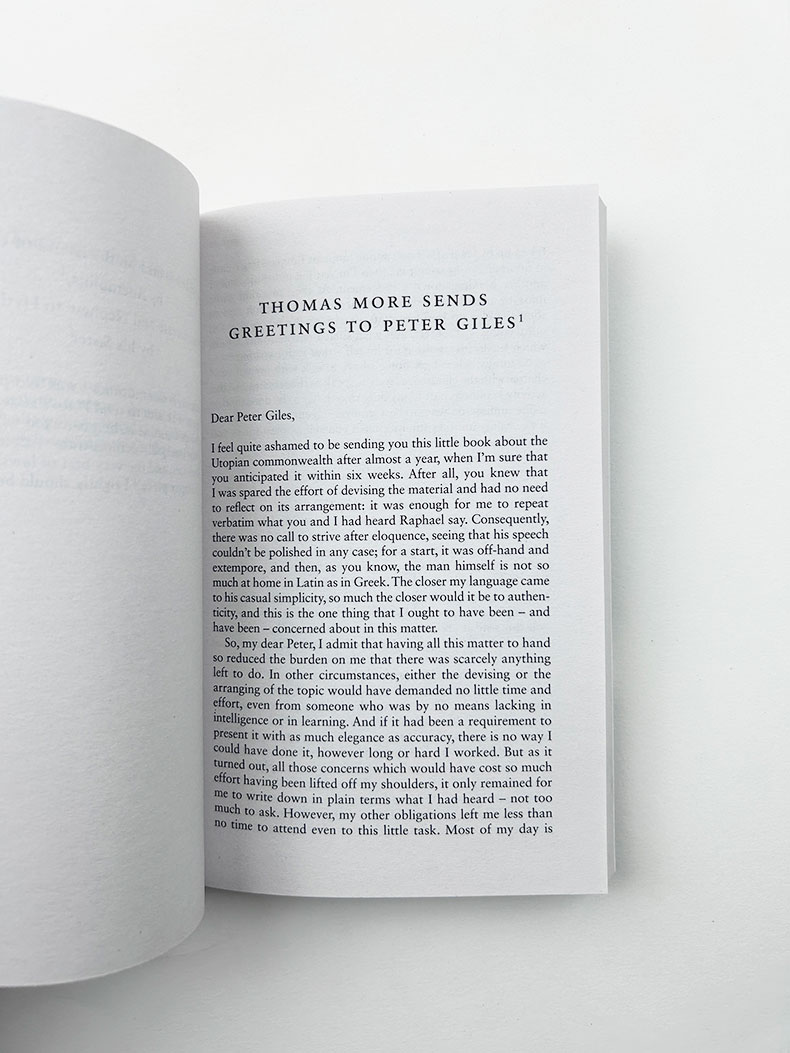
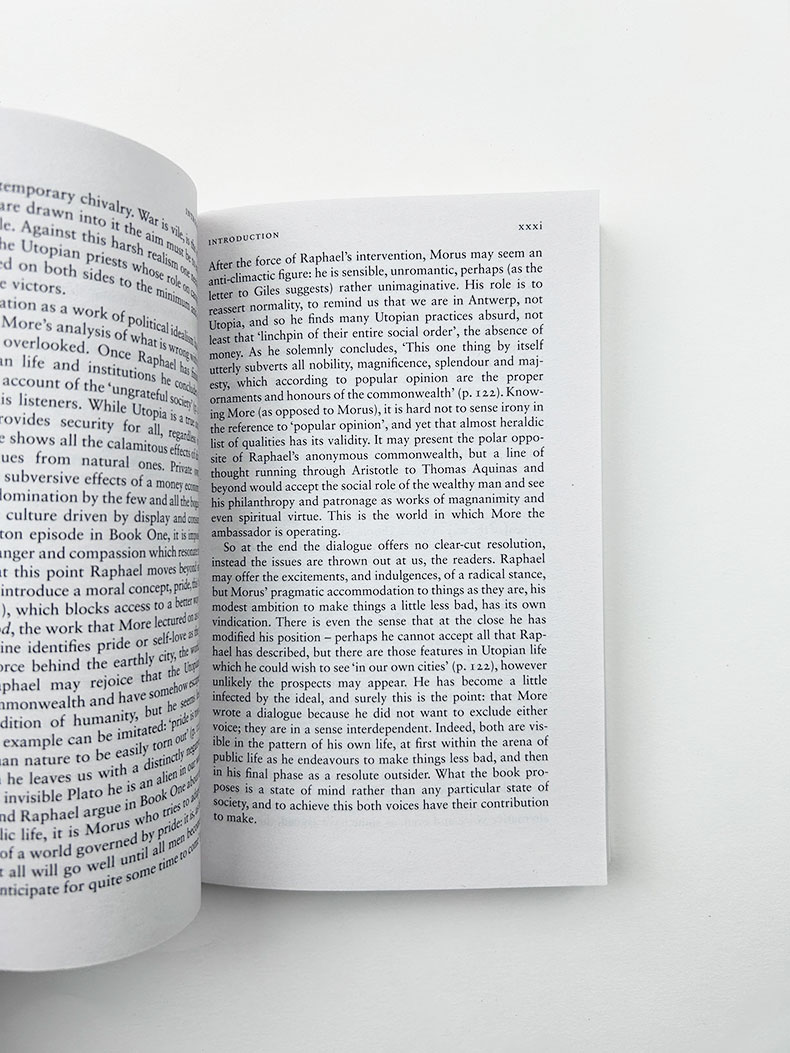
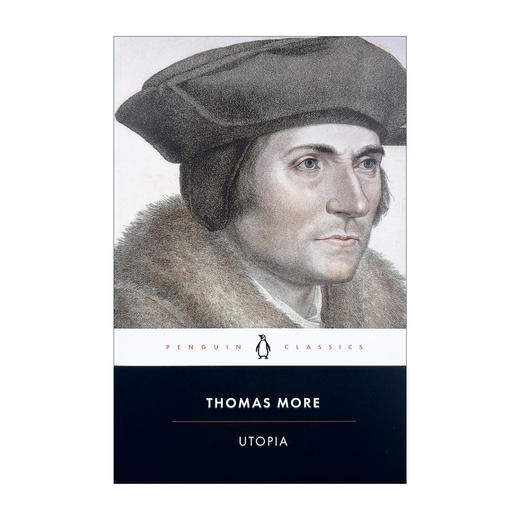
 书名:Utopia乌托邦
难度:Lexile蓝思阅读指数1390L
作者:Thomas More
出版社名称:Penguin Classics
出版时间:2012
语种:英文
ISBN:9780141442327
商品尺寸:13 x 1.3 x 19.8 cm
包装:平装
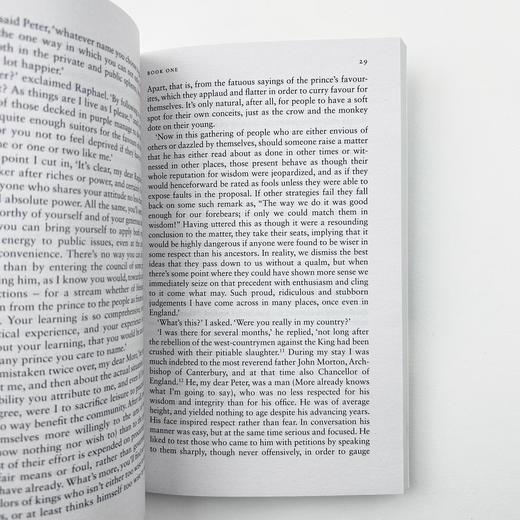
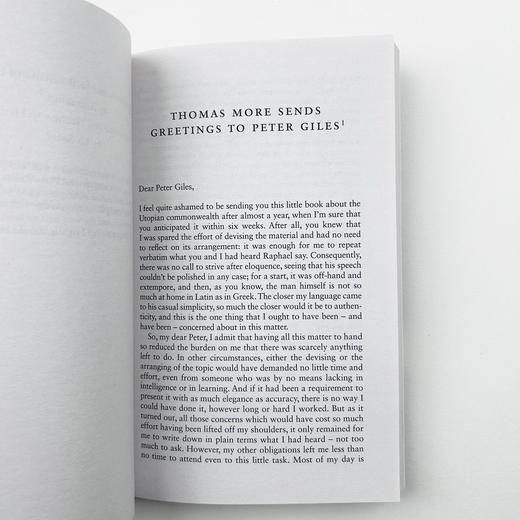
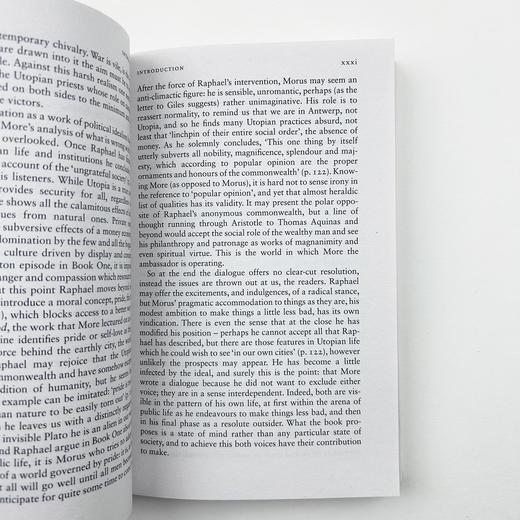
页数:192 Utopia《乌托邦》的作者托马斯·莫尔作者是早期的空想社会主义者,他以卓越的才力,热情描绘了乌托邦人在政治、经济和文化方面的生活图景,同英国十六世纪社会形成鲜明的对照。本书不仅是社会主义思想史和政治学术史上的重要文献,也是西方文学领域的传世佳作。
Thomas More's Utopia is a masterpiece of Renaissance political philosophy, responsible for introducing the term 'utopia' and spawning an entire genre of 'utopian' and 'dystopian' literature. This Penguin Classics edition is a major new translation from the Latin by Dominic Baker-Smith, and includes an introduction and notes on the text.
'Even if you can't eradicate harmful ideas or remedy established evils, that's no reason to turn your back on the body politic'
In Utopia, Thomas More gives us a traveller's account of a newly-discovered island where the inhabitants enjoy a social order based on natural reason and justice, and human fulfilment is open to all. As the traveller, Raphael, describes the island to More, a bitter contrast is drawn between this rational society and the custom-driven practices of Europe. So how can the philosopher try to reform his society? In his fictional discussion, More takes up a question first raised by Plato and which is still a challenge in the contemporary world. In the history of political thought few works have been more influential than Utopia, and few more misunderstood.
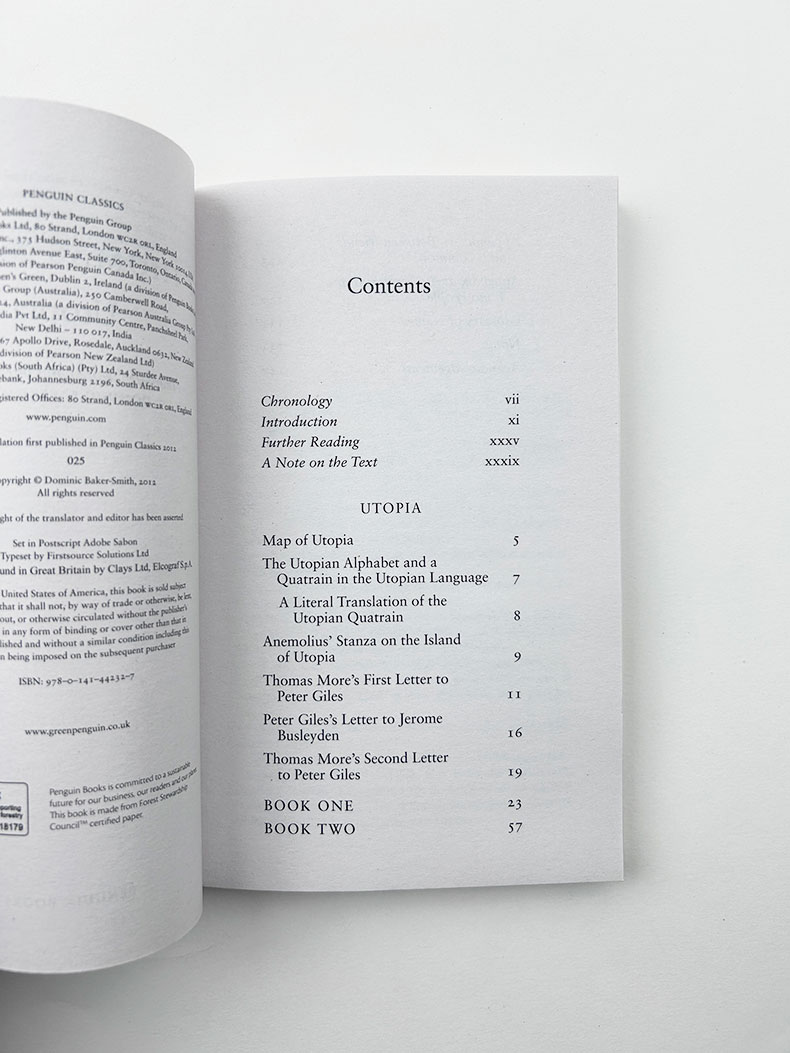
Dominic Baker-Smith's introduction examines the conflicting voices and perspectives of More's masterpiece and relates them to the European context of his time. This new edition also includes a chronology, notes, appendices, glossary and suggested further reading. 托马斯·莫尔的《乌托邦》描绘了一个遥远岛屿的美好画面,岛上社会制度完善,人们生活和谐;然而其题目意为“不存在之地”,莫尔这一具有影响力的作品有力抨击了当时腐败而危险的时代和人性的堕落。
 托马斯·莫尔(1478年2月7日-1535年7月6日),欧洲早期空想社会主义学说的创始人,才华横溢的人文主义学者和阅历丰富的政治家,以其名著《乌托邦》而名垂史册。
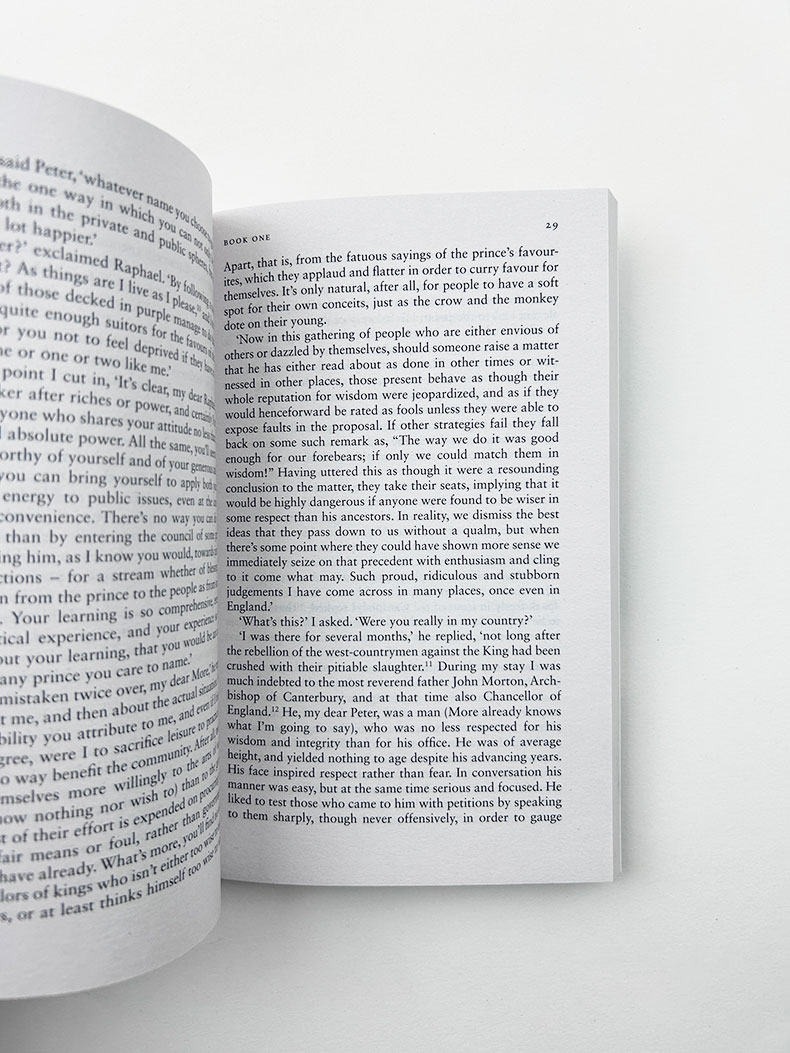
Thomas Morewas born a Londoner in 1477 or 1478. He served as a page, then studied at Oxford, was called to the bar and subsequently had a highly successful career in the City. Sent on an embassy to Flanders in 1515, he began Utopia there and completed it back in London. From 1528 he actively resisted innovation in religious matters and clashed with Henry VIII over his break with the Church. In July 1535, after he refused to accept the royal supremacy over the church, he was tried as a traitor at Westminster Hall and beheaded on Tower Hill. He was canonized by Pope Pius XI in 1935. HENRY THE EIGHTH, the unconquered King of England, a prince adorned with all the virtues that become a great monarch, having some differences of no small consequence with Charles the most serene prince of Castile, sent me into Flanders, as his ambassador, for treating and composing matters between them. I was colleague and companion to that incomparable man Cuthbert Tonstal, whom the king with such universal applause lately made Master of the Rolls; but of whom I will say nothing; not because I fear that the testimony of a friend will be suspected, but rather because his learning and virtues are too great for me to do them justice, and so well known, that they need not my commendations unless I would, according to the proverb, “Show the sun with a lanthorn.” Those that were appointed by the prince to treat with us met us at Bruges, according to agreement; they were all worthy men. The Margrave of Bruges was their head, and the chief man among them; but he that was esteemed the wisest, and that spoke for the rest, was George Temse, the Provost of Casselsee; both art and nature had concurred to make him eloquent: he was very learned in the law; and as he had a great capacity, so by a long practice in affairs he was very dextrous at unravelling them. After we had several times met without coming to an agreement, they went to Brussels for some days to know the prince’s pleasure. And since our business would admit it, I went to Antwerp. ‘While I was there, among many that visited me, there was one that was more acceptable to me than any other, Peter Cues, born at Antwerp, who is a man of great honour, and of a good rank in his town, though less than he deserves; for I do not know if there be anywhere to be found a more learned and a better bred young man: for as he is both a very worthy and a very knowing person, so he is so civil to all men, so particularly kind to his friends, and so flail of candour and affection, that there is not perhaps above one or two anywhere to be found that is in all respects so perfect a friend. He is extraordinarily modest, there is no artifice in him; and yet no man has more of a prudent simplicity: his conversation was so pleasant and so innocently cheerful, that his company in a great measure lessened any longings to go back to my country, and to my wife and children, which an absence of four months had quickened very much. One day as I was returning home from Mass at St. Mary’s, which is the chief church, and the most frequented of any in Antwerp, I saw him by accident talking with a stranger, who seemed past the flower of his age; his face was tanned, he had a long beard, and his cloak was hanging carelessly about him, so that by his looks and habit I concluded he was a seaman. As soon as Peter saw me, he came and saluted me; and as I was returning his civility, he took me aside, and pointing to him with whom he had been discoursing, he said, “Do you see that man? I was just thinking to bring him to you.” I answered, “He should have been very welcome on your account. And on his own too, replied he, “If you knew the man, for there is none alive that can give so copious an account of unknown nations and countries as he can do; which I know you very much desire.”
- 华研外语 (微信公众号认证)
- 本店是“华研外语”品牌商自营店,全国所有“华研外语”、“华研教育”品牌图书都是我司出版发行的,本店为华研官方源头出货,所有图书均为正规正版,拥有实惠与正版的保障!!!
- 扫描二维码,访问我们的微信店铺
- 随时随地的购物、客服咨询、查询订单和物流...