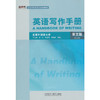
商品详情
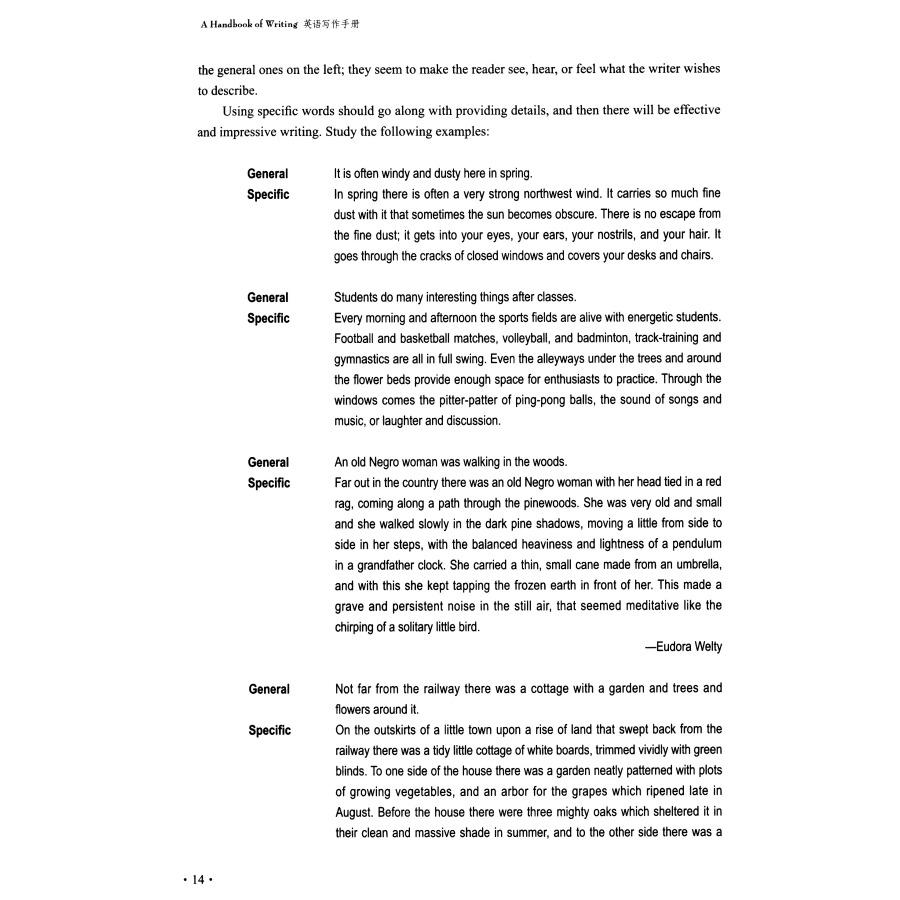
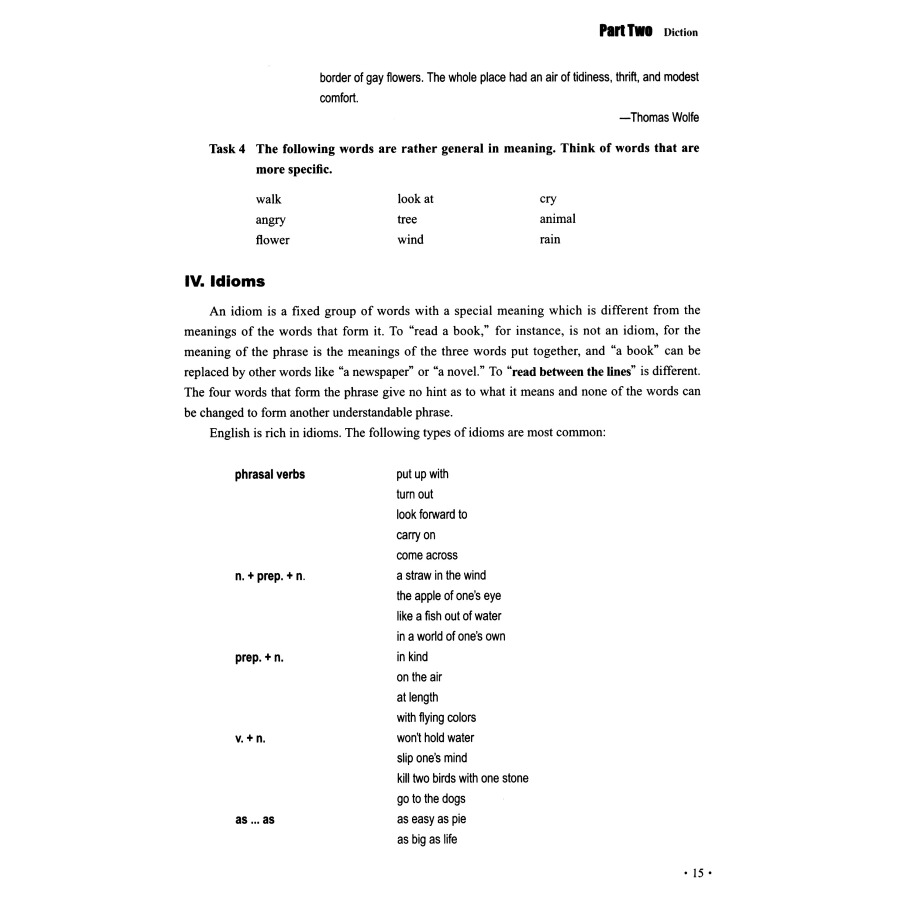
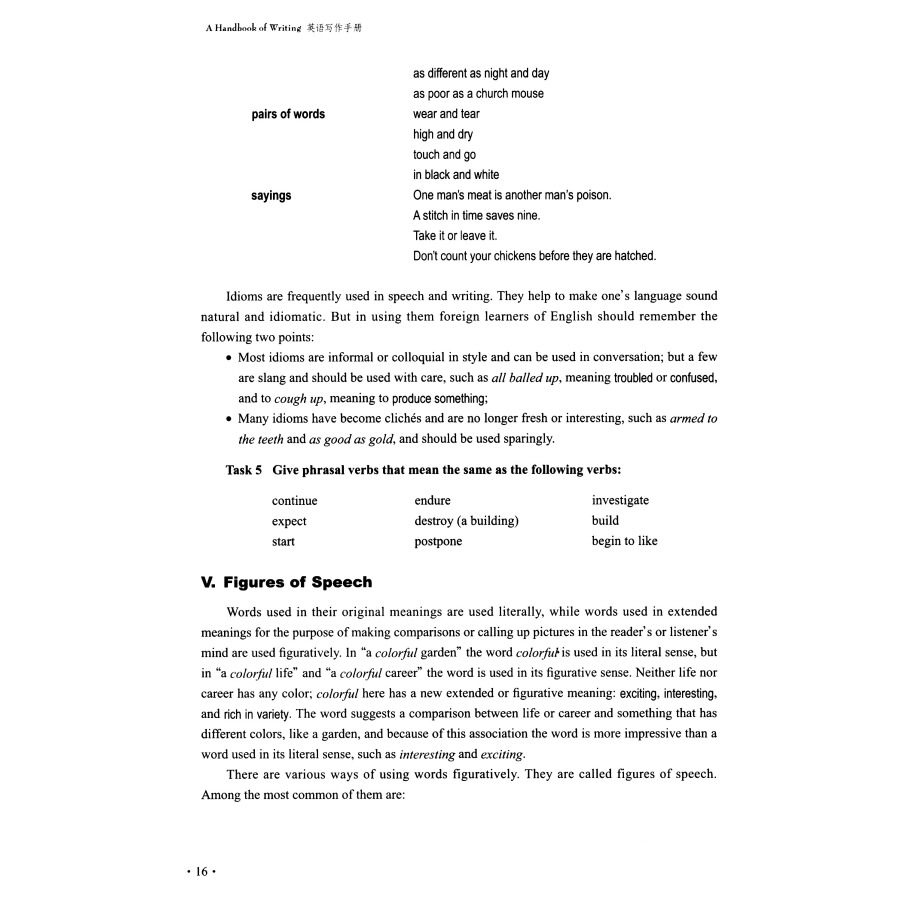
目录
Part One Manuscript Form
Ⅰ.Arrangement
Ⅱ.Capitalization
Ⅲ.Word Division
Ⅳ.Punctuation
Ⅴ.Handwriting
Part Two Diction
Ⅰ.Levels of Words
Ⅱ.The Meaning of Words
Ⅲ.General and Specific Words
Ⅳ.Idioms
Ⅴ.Figures of Speech
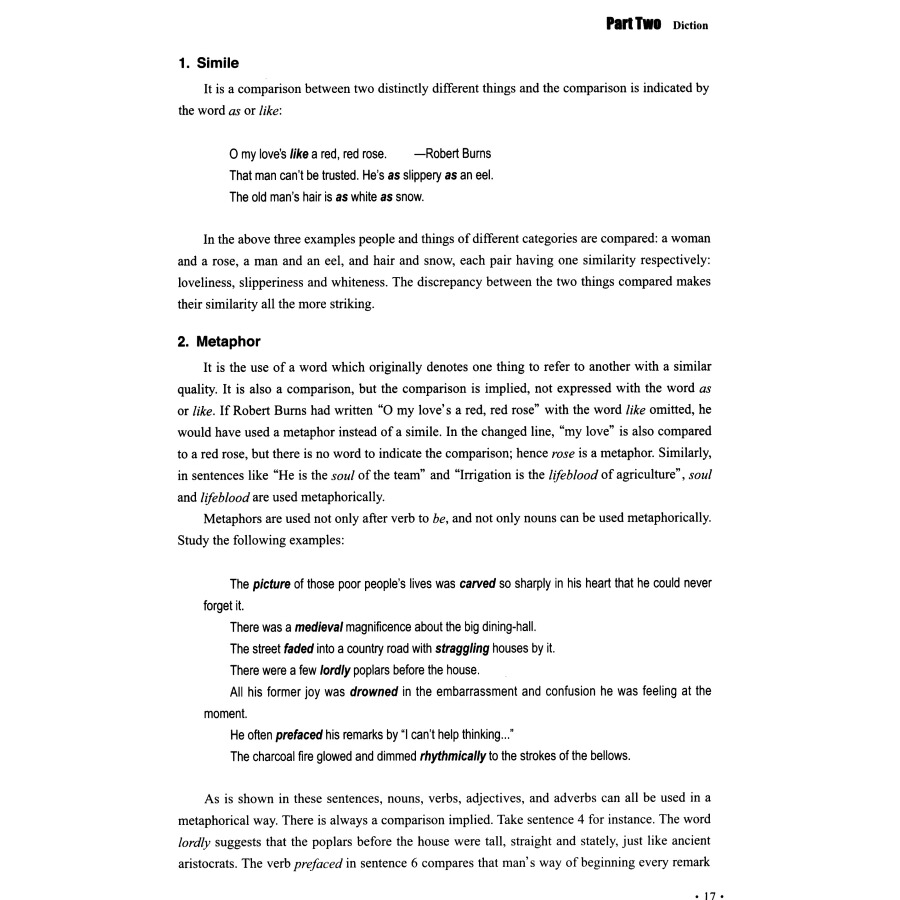
1.Simile
2.Metaphor
3.Personification
4.Metonymy
5.Synecdoche
6.Euphemism
7.Irony
8.Overstatement and Understatement
9.Transferred Epithet
10.Oxymoron
11.Alliteration
Ⅵ.Dictionaries
1.Using Dictionaries
2.Some Good Dictionaries
Part Three The Sentence
Ⅰ.Complete Sentences and Sentence Fragments.
Ⅱ.Types of Sentences
1.Declarative, Interrogative, Imperative, and Exclamatory Sentences
2.Simple, Compound, Complex, and Compound-Complex Sentences.
3.Loose, Periodic, and Balanced Sentences
4.Short and Long Sentences
Ⅲ.Effective Sentences
1.Unity
2.Coherence
3.Conciseness
4.Emphasis
5.Variety
Part Four The Paragraph
Ⅰ.Criteria of an Effective Paragraph
1.Unity
2.Coherence
3.Transition
Ⅱ.Steps in Writing a Paragraph
Ⅲ.Ways of Developing Paragraphs
1.Development by Time
2.Development by Process
3.Development by Space
4.Development by Example or Generalization
5.Development by Comparison and Contrast
6.Development by Cause and Effect
7.Development by Classification
8.Development by Definition
9.Development by a Combination of Methods
Part Five The Whole Composition
Ⅰ.Criteria of a Good Composition
Ⅱ.Steps in Writing a Composition
1.Planning a Composition
2.Writing the First Draft
3.Revising the First Draft
4.Making the Final Copy
Ⅲ.Three Main
Parts of a Composition
1.The Beginning
2.The Middle
3.The End
Ⅳ.Types of Writing
1.Description
2.Narration
3.Exposition
4.Argumentation
Part Six The Summary and Book Report
Ⅰ.The Summary
1.Uses of Summary Writing
2.Procedure
Ⅱ.The Book Report
1.Three Main
Parts of a Book Report
2.Writing of the Book Report
Part Seven Formal and Informal Styles
Ⅰ.The Meaning of Style
Ⅱ.Formal and Informal Styles
1.Grammatical Differences
2.Vocabulary Differences
Part Eight The Research Paper
Ⅰ.Purpose
Ⅱ.Process
1.Choosing a Topic
2.Collecting Information
3.Analyzing the Information, Organizing Ideas and Working Out an Outline.
4.Writing the First Draft
5.Revising the Draft and Finalizing the Paper
Ⅲ.Format
1.The Structure of a Paper
2.Use of Quotations
3.Use of Notes
4.Works Cited
Ⅳ.A Sample Research Paper
Part Nine Practical Writing
Ⅰ.Notices
Ⅱ.Greetings, Good Wishes, Congratulations and Condolences
1.Greetings
2.Good Wishes and Congratulations
3.Condolences
Ⅲ.Formal Invitations
Ⅳ.Notes
1.Messages
2.Arrangements
3.Requests
4.Apologies
5.Thanks
6.Informal Invitations
Ⅴ.E-mails
Ⅵ.Letters
1.
Parts of a Letter
2.Language
3.Address on an Envelope
4.Business Letters and Personal Letters
VⅡ.Curriculum Vitae
Part Ten Punctuation
Ⅰ.The Comma(,)
Ⅱ.The Period (.)
Ⅲ.The Semicolon (;)
Ⅳ.The Colon (:)
Ⅴ.The Question Mark (?)
Ⅵ.The Exclamation Mark (!)
Ⅶ.Quotation Marks (/ ' ')
Ⅷ.Parentheses (())
Ⅸ.Brackets ([ ])
Ⅹ.The Dash (——)
Ⅺ.The Slash (/)
Ⅻ.Italics and Underlining
批改/校对符号
写作错误统计表
Ⅰ.Arrangement
Ⅱ.Capitalization
Ⅲ.Word Division
Ⅳ.Punctuation
Ⅴ.Handwriting
Part Two Diction
Ⅰ.Levels of Words
Ⅱ.The Meaning of Words
Ⅲ.General and Specific Words
Ⅳ.Idioms
Ⅴ.Figures of Speech
1.Simile
2.Metaphor
3.Personification
4.Metonymy
5.Synecdoche
6.Euphemism
7.Irony
8.Overstatement and Understatement
9.Transferred Epithet
10.Oxymoron
11.Alliteration
Ⅵ.Dictionaries
1.Using Dictionaries
2.Some Good Dictionaries
Part Three The Sentence
Ⅰ.Complete Sentences and Sentence Fragments.
Ⅱ.Types of Sentences
1.Declarative, Interrogative, Imperative, and Exclamatory Sentences
2.Simple, Compound, Complex, and Compound-Complex Sentences.
3.Loose, Periodic, and Balanced Sentences
4.Short and Long Sentences
Ⅲ.Effective Sentences
1.Unity
2.Coherence
3.Conciseness
4.Emphasis
5.Variety
Part Four The Paragraph
Ⅰ.Criteria of an Effective Paragraph
1.Unity
2.Coherence
3.Transition
Ⅱ.Steps in Writing a Paragraph
Ⅲ.Ways of Developing Paragraphs
1.Development by Time
2.Development by Process
3.Development by Space
4.Development by Example or Generalization
5.Development by Comparison and Contrast
6.Development by Cause and Effect
7.Development by Classification
8.Development by Definition
9.Development by a Combination of Methods
Part Five The Whole Composition
Ⅰ.Criteria of a Good Composition
Ⅱ.Steps in Writing a Composition
1.Planning a Composition
2.Writing the First Draft
3.Revising the First Draft
4.Making the Final Copy
Ⅲ.Three Main
Parts of a Composition
1.The Beginning
2.The Middle
3.The End
Ⅳ.Types of Writing
1.Description
2.Narration
3.Exposition
4.Argumentation
Part Six The Summary and Book Report
Ⅰ.The Summary
1.Uses of Summary Writing
2.Procedure
Ⅱ.The Book Report
1.Three Main
Parts of a Book Report
2.Writing of the Book Report
Part Seven Formal and Informal Styles
Ⅰ.The Meaning of Style
Ⅱ.Formal and Informal Styles
1.Grammatical Differences
2.Vocabulary Differences
Part Eight The Research Paper
Ⅰ.Purpose
Ⅱ.Process
1.Choosing a Topic
2.Collecting Information
3.Analyzing the Information, Organizing Ideas and Working Out an Outline.
4.Writing the First Draft
5.Revising the Draft and Finalizing the Paper
Ⅲ.Format
1.The Structure of a Paper
2.Use of Quotations
3.Use of Notes
4.Works Cited
Ⅳ.A Sample Research Paper
Part Nine Practical Writing
Ⅰ.Notices
Ⅱ.Greetings, Good Wishes, Congratulations and Condolences
1.Greetings
2.Good Wishes and Congratulations
3.Condolences
Ⅲ.Formal Invitations
Ⅳ.Notes
1.Messages
2.Arrangements
3.Requests
4.Apologies
5.Thanks
6.Informal Invitations
Ⅴ.E-mails
Ⅵ.Letters
1.
Parts of a Letter
2.Language
3.Address on an Envelope
4.Business Letters and Personal Letters
VⅡ.Curriculum Vitae
Part Ten Punctuation
Ⅰ.The Comma(,)
Ⅱ.The Period (.)
Ⅲ.The Semicolon (;)
Ⅳ.The Colon (:)
Ⅴ.The Question Mark (?)
Ⅵ.The Exclamation Mark (!)
Ⅶ.Quotation Marks (/ ' ')
Ⅷ.Parentheses (())
Ⅸ.Brackets ([ ])
Ⅹ.The Dash (——)
Ⅺ.The Slash (/)
Ⅻ.Italics and Underlining
批改/校对符号
写作错误统计表
前言/序言
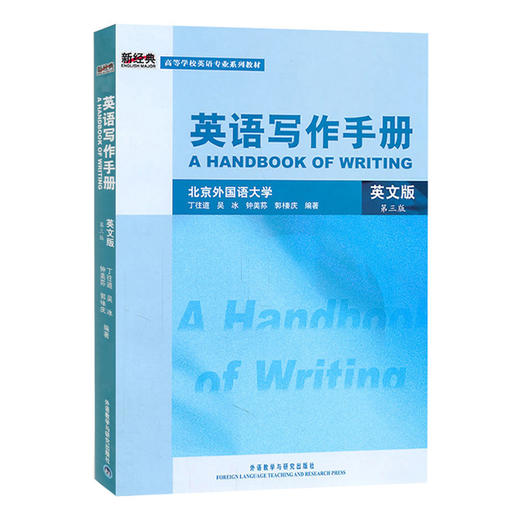
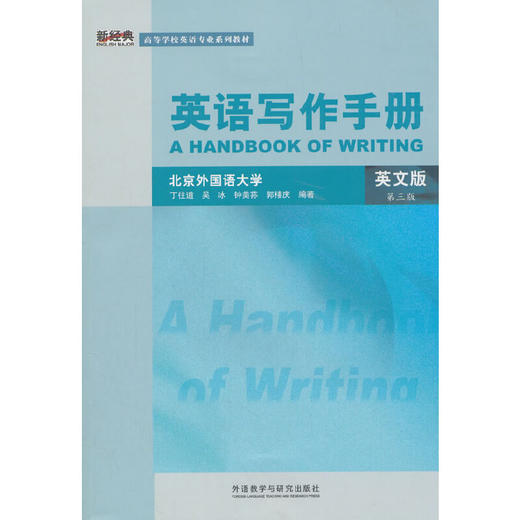
《英语写作手册》第一版于1984年出版,1994年我们曾对全书做了较大程度的修订,承高校英语专业师生及自学者喜爱,发行量超过100余万册。自上次修订后至今又过了14年,其间我们收到许多师生的来信,对本书提出了十分宝贵的批评与建议,同时,不断有读者要求我们为练习提供答案。这次修订的《英语写作手册》,我们一方面保持了原书实用、范例多、结合中国读者实际等特点,同时采纳了广大师生的意见,做了以下补充、修改:
一、对原书内容全面更新,如词典部分尽可能提供最新版本的信息,论文部分采用国外英语论文通用的格式,实用英语部分增加了写电子邮件的内容,段落和作文部分的范文增加了分析等。
二、经过修订,《英语写作手册》的篇幅增加不少,其中主要的是新增的大量练习和部分参考答案。练习分Tasks和Assignments两种,前者供课上使用,后者为课后作业。写作课是实践课,要想写得好,只有多练。为了便于自学,我们提供了部分答案。需要特别指出的是答案仅供“参考”,读者的答案和书中的不同,往往并非有错。我们希望学习者细心体会的是,句式和选词不同,表达的意思也会有差别。比较好的学习方法或许是和老师、同学相互切磋,共同提高,
三、我们在书后除原有的“批改/校对符号”外,增加了“写作错误统计表”;前者是为了教师批改作业更规范化,后者有助于学生了解自己的问题,以便有针对性地逐一解决。错误表格分三档:第一档的错误属技术性问题,学生只要细心些、多查词典就可克服;第二档属于基本功问题,这类错误应该注意尽快消灭;第三档的问题是需要长期关注逐步提高的。学生应该从第一档开始,力争做到只剩下第三档的问题。
一、对原书内容全面更新,如词典部分尽可能提供最新版本的信息,论文部分采用国外英语论文通用的格式,实用英语部分增加了写电子邮件的内容,段落和作文部分的范文增加了分析等。
二、经过修订,《英语写作手册》的篇幅增加不少,其中主要的是新增的大量练习和部分参考答案。练习分Tasks和Assignments两种,前者供课上使用,后者为课后作业。写作课是实践课,要想写得好,只有多练。为了便于自学,我们提供了部分答案。需要特别指出的是答案仅供“参考”,读者的答案和书中的不同,往往并非有错。我们希望学习者细心体会的是,句式和选词不同,表达的意思也会有差别。比较好的学习方法或许是和老师、同学相互切磋,共同提高,
三、我们在书后除原有的“批改/校对符号”外,增加了“写作错误统计表”;前者是为了教师批改作业更规范化,后者有助于学生了解自己的问题,以便有针对性地逐一解决。错误表格分三档:第一档的错误属技术性问题,学生只要细心些、多查词典就可克服;第二档属于基本功问题,这类错误应该注意尽快消灭;第三档的问题是需要长期关注逐步提高的。学生应该从第一档开始,力争做到只剩下第三档的问题。
- 外研社旗舰店 (微信公众号认证)
- 记载人类文明 沟通世界文化
- 扫描二维码,访问我们的微信店铺
- 随时随地的购物、客服咨询、查询订单和物流...