嘉德通商城店铺主页二维码
嘉德通商城 微信认证
微信扫描二维码,访问我们的微信店铺
你可以使用微信联系我们,随时随地的购物、客服咨询、查询订单和物流...

嘉德文库|Imago Dei:The Byzantine Apologia for Icons上帝形象:图标象征的拜占庭式辩解

517.00
运费: ¥ 13.00-40.00
库存: 1 件
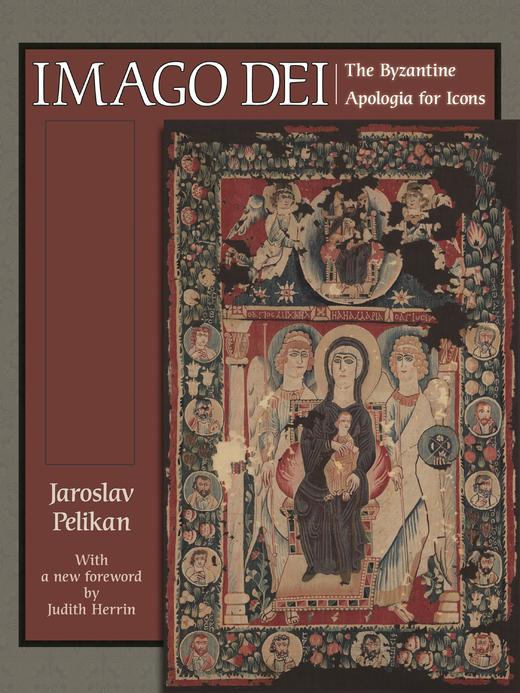
嘉德文库|Imago Dei:The Byzantine Apologia for Icons上帝形象:图标象征的拜占庭式辩解 商品图0
嘉德文库|Imago Dei:The Byzantine Apologia for Icons上帝形象:图标象征的拜占庭式辩解 商品缩略图0

商品详情

图书基本信息

Imago Dei: The Byzantine Apologia for Icons
作者: Jaroslav Pelikan;Judith Herrin
ISBN13: 9780691141251
类型: 简装(简装书)
语种: 英语(English)
出版日期: 2011-09-26
出版社: Princeton University Press
页数: 224
重量(克): 657
尺寸: 25.146 x 19.05 x 1.27 cm

商品简介
Charts the theological defense of icons during the Iconoclastic controversies of the eighth and ninth centuries, whose high point came in AD 787, when the Second Council of Nicaea restored the cult of images in the church. This title demonstrates how the dogmas of the Trinity and the Incarnation eventually provided the basic rationale for images.
书评与摘要

In 726 the Byzantine emperor, Leo III, issued an edict that all religious images in the empire were to be destroyed, a directive that was later endorsed by a synod of the Church in 753 under his son, Constantine V. If the policy of Iconoclasm had succeeded, the entire history of Christian art--and of the Christian church, at least in the East--would have been altered. 


Iconoclasm was defeated--by Byzantine politics, by popular revolts, by monastic piety, and, most fundamentally of all, by theology, just as it had been theology that the opponents of images had used to justify their actions. Analyzing an intriguing chapter in the history of ideas, the renowned scholar Jaroslav Pelikan shows how a faith that began by attacking the worship of images ended first in permitting and then in commanding it. 


Pelikan charts the theological defense of icons during the Iconoclastic controversies of the eighth and ninth centuries, whose high point came in A.D. 787, when the Second Council of Nicaea restored the cult of images in the church. He demonstrates how the dogmas of the Trinity and the Incarnation eventually provided the basic rationale for images: because the invisible God had become human and therefore personally visible in Jesus Christ, it became permissible to make images of that Image. And because not only the human nature of Christ, but that of his Mother had been transformed by the Incarnation, she, too, could be iconized, together with all the other saints and angels. 


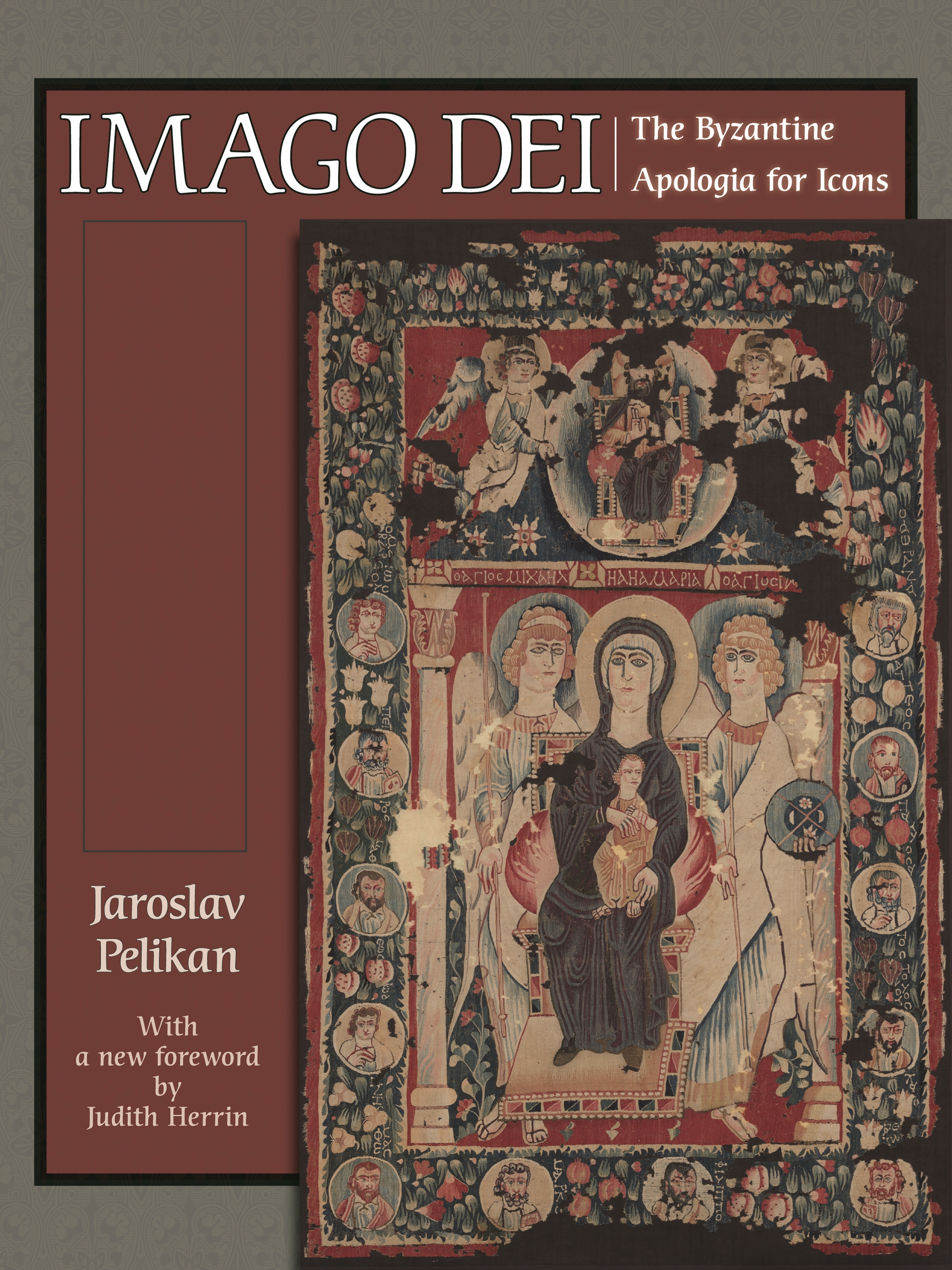
The iconographic text of the book is provided by one of the very few surviving icons from the period before Iconoclasm, the Egyptian tapestry Icon of the Virgin now in the Cleveland Museum of Art. Other icons serve to illustrate the theological argument, just as the theological argument serves to explain the icons. 


In a new foreword, Judith Herrin discusses the enduring importance of the book, provides a brief biography of Pelikan, and discusses how later scholars have built on his work.


嘉德通商城店铺主页二维码
嘉德通商城 微信公众号认证
扫描二维码,访问我们的微信店铺
随时随地的购物、客服咨询、查询订单和物流...

嘉德文库|Imago Dei:The Byzantine Apologia for Icons上帝形象:图标象征的拜占庭式辩解

手机启动微信
扫一扫购买

收藏到微信 or 发给朋友

1. 打开微信,扫一扫左侧二维码

2. 点击右上角图标

点击右上角分享图标

3. 发送给朋友、分享到朋友圈、收藏

发送给朋友、分享到朋友圈、收藏

微信支付

支付宝

扫一扫购买

打开微信,扫一扫

或搜索微信号:guardian_in_one
嘉德通官方微信公众号

收藏到微信 or 发给朋友

1. 打开微信,扫一扫左侧二维码

2. 点击右上角图标

点击右上角分享图标

3. 发送给朋友、分享到朋友圈、收藏

发送给朋友、分享到朋友圈、收藏