
商品详情
定价:225.0
ISBN:9780714122915
作者:Thorsten Opper
版次:1
出版时间:2021-08
内容提要:
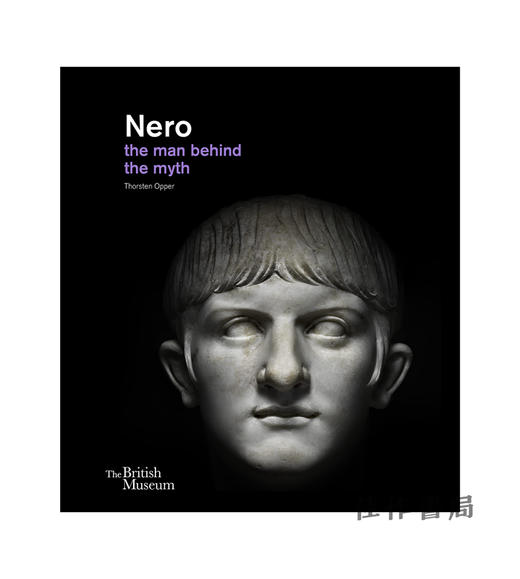
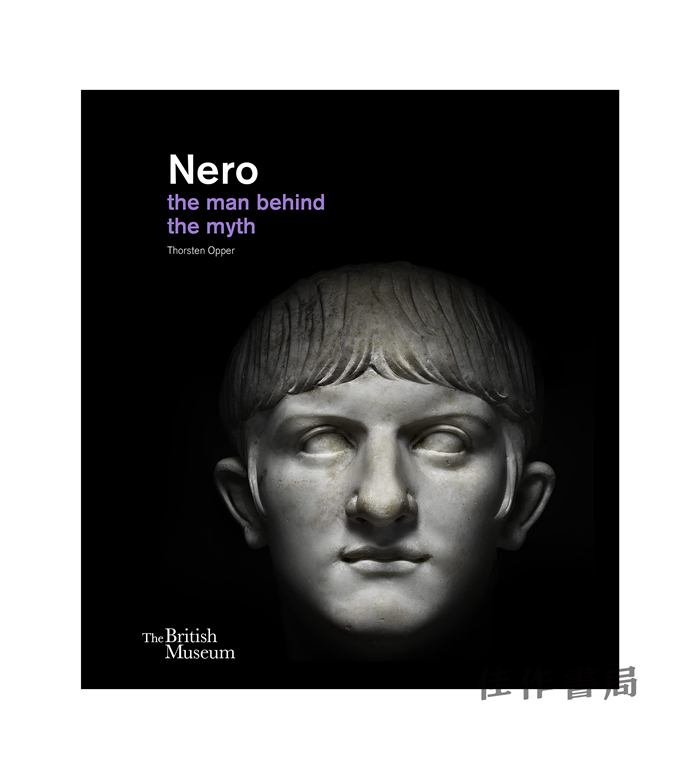
题 目:Nero: the man behind the myth / 尼禄:神话背后的人
作 者:Thorsten Opper
出 版:The British Museum,2021
装 帧:平装,304页
尺 寸:25*28 cm
语 种:英语
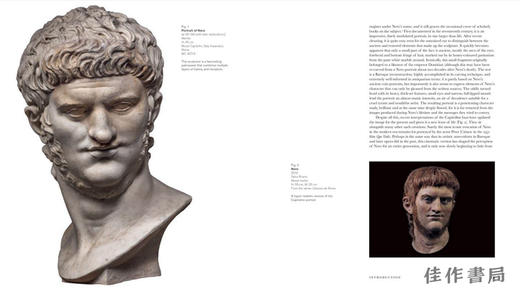
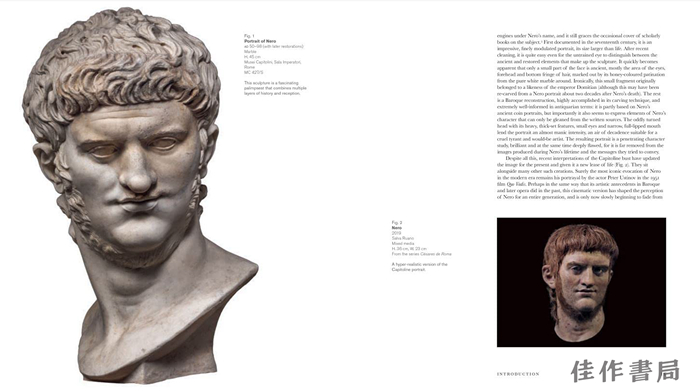
One of the best known and simultaneously most notorious figures from Roman history, Nero (r. AD 54–68) is usually characterised as a tyrannical and ineffectual emperor, a ruler who proverbially ‘fiddled while Rome burnt’. However, as new research demonstrates, this reputation is crudely reductive and was carefully crafted in antiquity by hostile elite authors, who envisioned a different form of rule more mindful of the demands of their own social and political class.
This publication redresses the balance and provides a more nuanced interpretation of Nero’s reign and Roman society of the time, reflecting on the traditional perceptions of his rule and revealing the substantial external and internal challenges with which the sixteen-year-old heir to the Roman empire had to contend.
Nero’s rule fell in an extended period of transition and profound social and economic change. The empire had grown rapidly during previous centuries, and an astonishing era of peace and prosperity followed the introduction of one-man rule after decades of bloody civil war under Nero’s great-great-grandfather Augustus. However, political institutions and elite mindsets were slow to adjust to the resulting rise of former outsiders, people from the provinces and freed slaves.
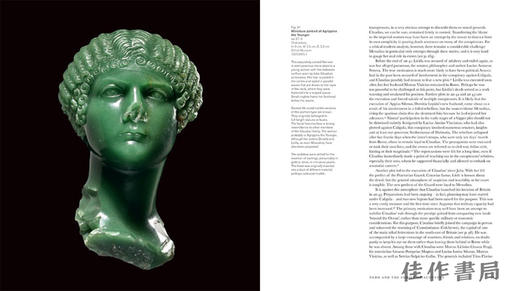
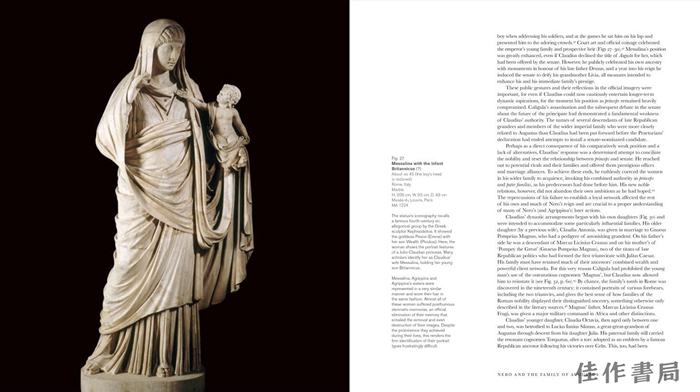
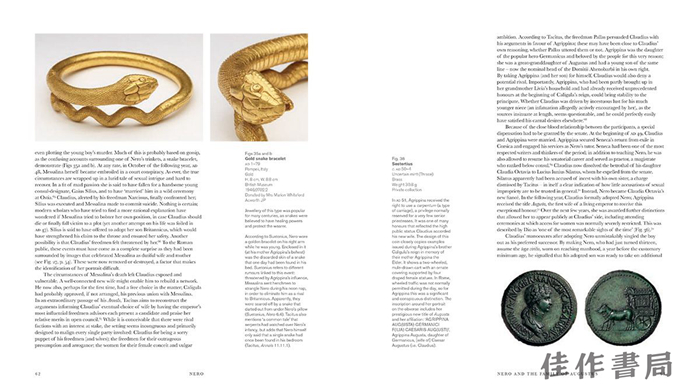
The book considers in detail the resulting tensions and the challenging role of Nero’s family within them. Powerful individuals, among them many women, including Nero’s mother Agrippina, and his tutor and advisor Seneca, come to life against the backdrop of these times, when different court factions thought to manipulate the young ruler. At the same time, intriguing evidence – doodles and graffiti – from Rome, Pompeii and other Vesuvian cities gives voice to often very different attitudes of common people, completely ignored by the ancient literary sources.
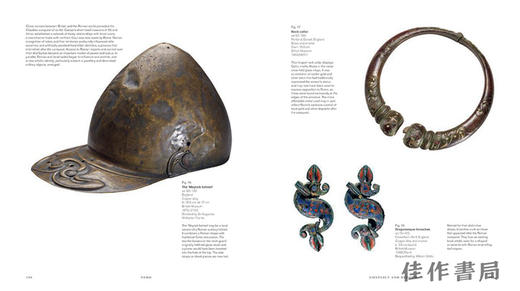
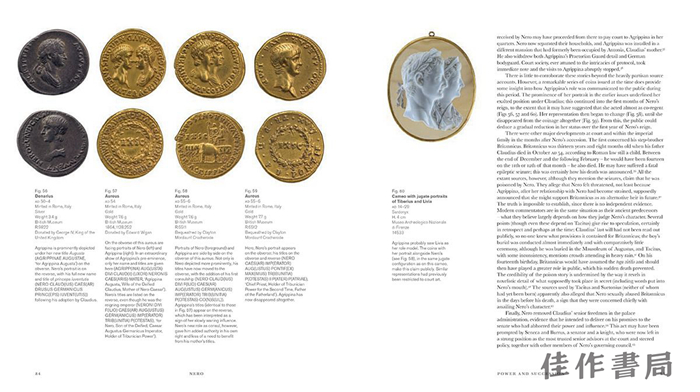
In addition to these internal challenges, Nero inherited a great conflict with the rival power of the Parthians and unrest in unsettled newly conquered territories, including Britain. The book examines his military and diplomatic response and the powerful visual language – often disregarded – that presented him as a successful young military leader throughout the empire. Administrative and tax reforms culminated in ‘populist’ policies that also saw him embrace enthusiastically the possibilities offered through public entertainments (the circus, arena and theater) to communicate directly with his subjects and project a more direct, charismatic form of rule. Yet his grand building projects and the beautification of his capital were offset by severe natural disasters and a devastating fire of Rome.
Popular with the common people to the very end, Nero could not reconcile the internal contradictions of the principate, the political system introduced by Augustus. Hostile segments of the elite were behind military rebellions in AD 68 that quickly drove Nero from power. His enforced suicide brought to an end the rule of Rome’s first imperial dynasty, the Julio-Claudians. The subsequent vilification of his memory and the removal and desecration of his image are an enduring, but misleading, legacy that leave a fascinating reign to be explored anew.
Table of Contents
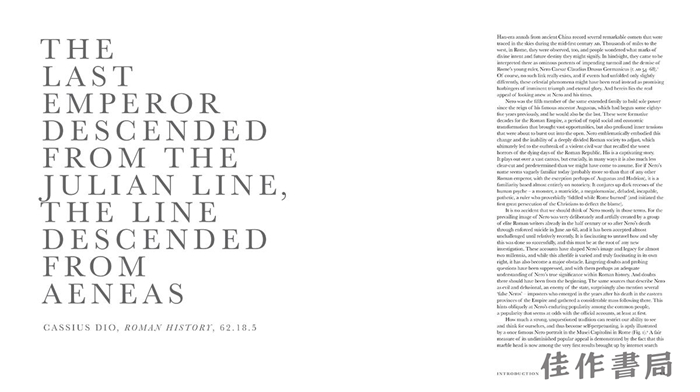
Introduction – approaches to Nero; the source tradition
1. Nero and the family of Augustus – Augustus and the system of the principate; Julio-Claudian society; Nero’s family
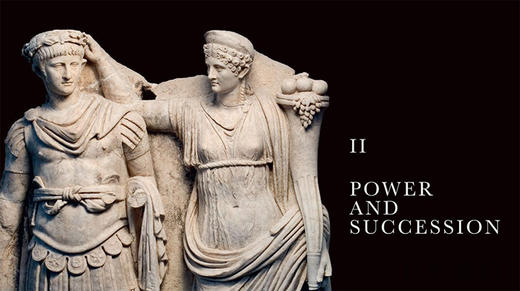
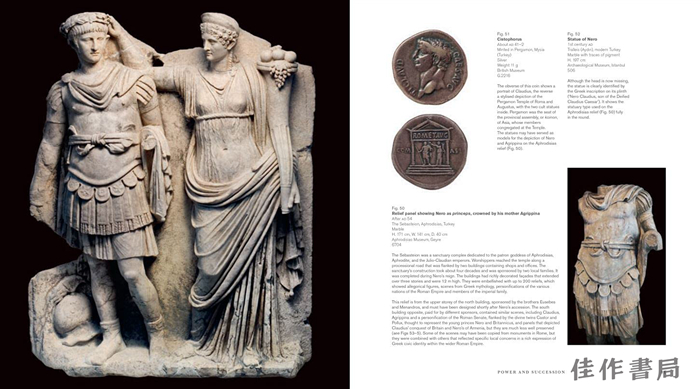
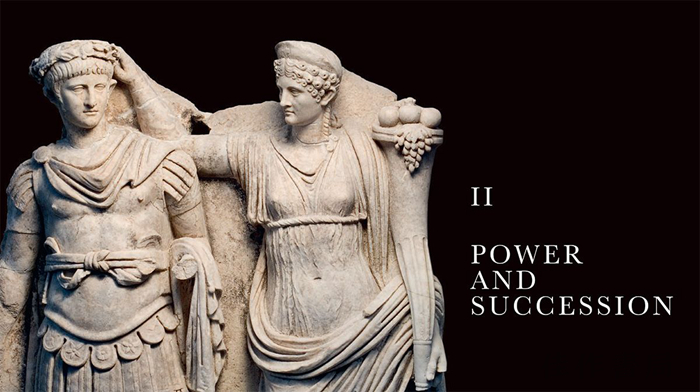
2. Power and succession – Nero’s accession; expectations of the new reign; poetry and imagery
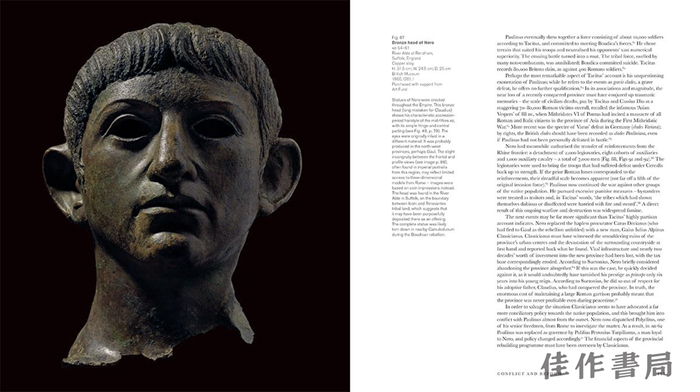
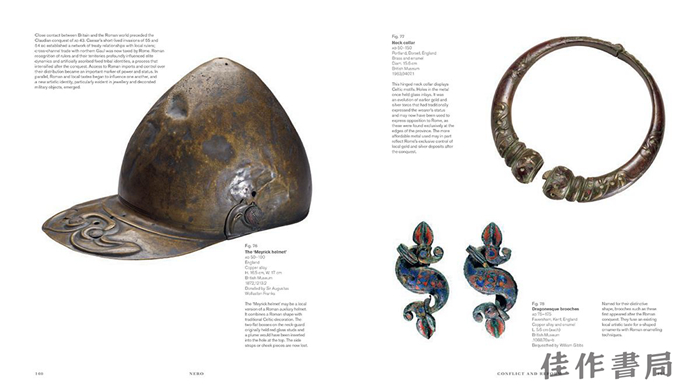
3. Conflict and reform – Nero and the military; external conflicts; the Armenian War; Britain and the Boudicca rebellion
4. Spectacle and splendor – Nero’s reforms and major projects; public entertainment; Nero on stage
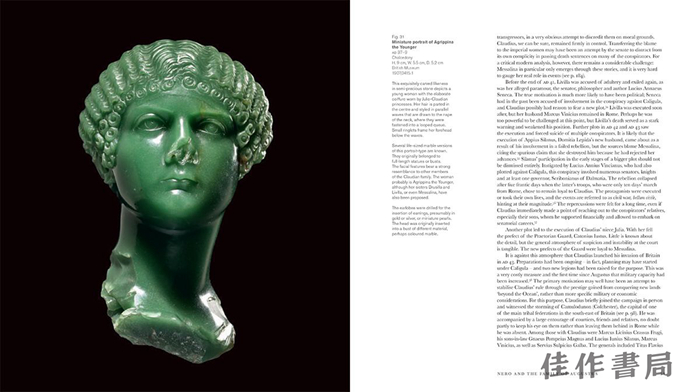
5. Passion and discord – the imperial family; Nero’s wives and daughter
6. Fire – the great fire of Rome of AD 64
7. The new Apollo – Nero’s palaces and the Domus Aurea; luxury and elite society; diplomacy and triumph
8. Crisis and death – internal conflict and elite resistance; rebellion; Nero’s death; civil war; ‘False Neros’ and Nero’s enduring popularity
- 佳作书局 (微信公众号认证)
- 佳作书局(PARAGON BOOK GALLERY)自1942年创办以来专注于中外艺术书籍的引介和出版。
- 扫描二维码,访问我们的微信店铺
- 随时随地的购物、客服咨询、查询订单和物流...