
商品详情
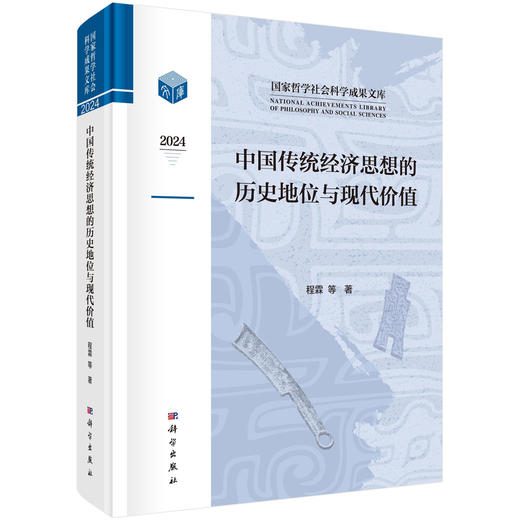
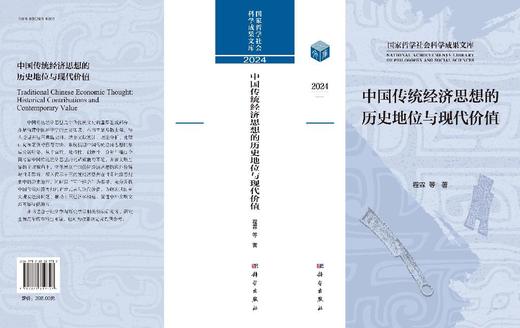
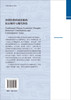
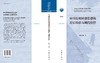
书名:中国传统经济思想的历史地位与现代价值
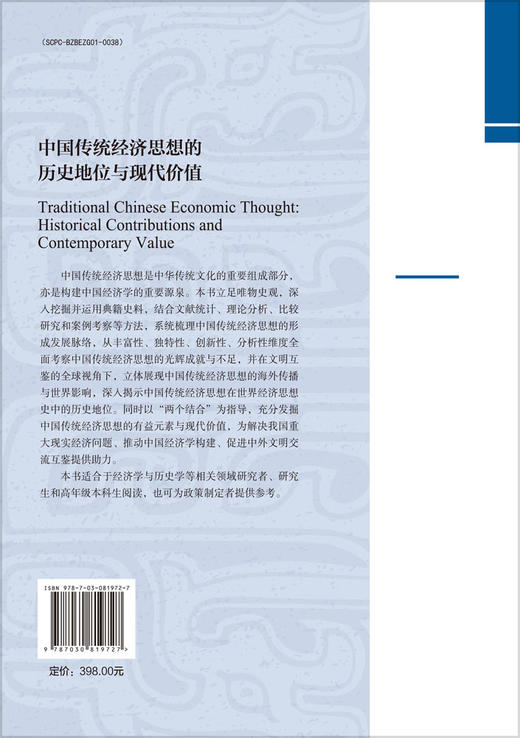
定价:398.0
ISBN:9787030819727
作者:程霖等
版次:1
出版时间:2025-06
内容提要:
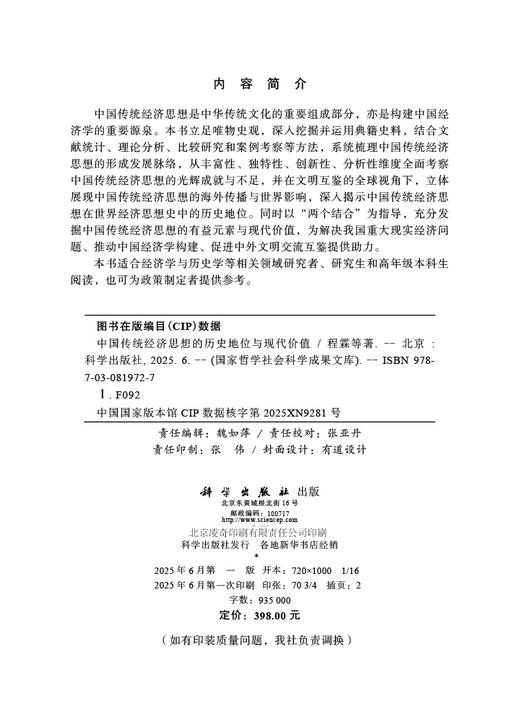
中国传统经济思想是中华传统文化的重要组成部分,亦是构建中国经济学的重要源泉。本书立足唯物史观,深入挖掘并运用典籍史料,结合文献统计、理论分析、比较研究和案例考察等方法,系统梳理中国传统经济思想的形成发展脉络,从丰富性、独特性、创新性、分析性维度全面考察中国传统经济思想的光辉成就与不足,并在文明互鉴的全球视角下,立体展现中国传统经济思想的海外传播与世界影响,深入揭示中国传统经济思想在世界经济思想史中的历史地位。同时以“两个结合”为指导,充分发掘中国传统经济思想的有益元素与现代价值,为解决我国重大现实经济问题、推动中国经济学构建、促进中外文明交流互鉴提供助力。
目录:
目录
绪论
一、研究背景与研究意义/0002
二、文献回顾与新的尝试/0005
三、研究思路与体系框架/0011
四、研究方法与学术创新/0014
五、后续研究拓展的设想/0021
第一章 中国传统经济思想的发展演变
第一节 历史分期逻辑与基本分析框架/0026
一、中国传统经济思想分期的历史逻辑和理论逻辑/0028
二、中国传统经济思想的演进机制与三条主线/0035
三、中国传统经济思想的三次重要变化与四个主要时期/0042
第二节 先秦时期:中国传统经济思想之形成/0052
一、先秦时期经济思想的形成路径/0056
二、先秦时期经济思想的主要特征/0072
三、先秦时期经济思想的历史影响/0082
第三节 秦汉至唐中叶前:中国传统经济思想之基本教条确立/0083
一、秦汉至唐中叶前经济思想的演变路径/0088
二、秦汉至唐中叶前经济思想的主要特征/0102
三、秦汉至唐中叶前经济思想的历史影响/0117
第四节 唐中叶至元:中国传统经济思想之变化/0118
一、唐中叶至元经济思想变化的生成轨迹/0127
二、唐中叶至元经济思想变化的主要特征/0146
三、唐中叶至元经济思想的历史影响/0182
第五节 明至鸦片战争前:中国传统经济思想之…折发展/0185
一、明至鸦片战争前经济思想的发展轨迹/0186
二、明至鸦片战争前经济思想发展的主要特征/0222
三、明至鸦片战争前经济思想的历史影响/0230
第六节 本章小结/0234
第二章 中国传统经济思想的光辉成就
第一节 中国传统经济思想具有丰富性:基于问题导向的考察/0243
一、关于经济思想丰富性的界定/0244
二、丰富性第一要义:以问题导向及内容范畴为标准/0246
三、丰富性第二要义:以内容深度及思想层次为标准/0295
四、比较视野下中国传统经济思想的丰富程度/0301
五、中国传统经济思想丰富性探源/0310
第二节 中国传统经济思想具有独特性:一个概念史考察/0320
一、中国传统经济思想概念体系的语义网络与内在结构/0322
二、中国传统经济思想概念体系的生成机制与基本特征/0338
三、中国传统经济思想概念体系的主要功能与历史局限/0365
第三节 中国传统经济思想具有创新性:基于国际比较视野的考察/0373
一、关于经济思想创新性的界定/0378
二、中国传统经济治理思想的创新性/0389
三、中国传统财政思想的创新性/0401
四、中国传统金融思想的创新性/0412
五、中国传统价值与价格思想的创新性/0422
六、中国传统人口思想的创新性/0433
七、中国传统土地制度思想的创新性/0441
八、中国传统经济伦理思想的创新性/0451
九、中国传统经济思想创新性的深入考察:创新与停滞的原因探析/0460
第四节 中国传统经济思想具有分析性:对以熊彼特为代表的主流观点的补正/0470
一、经济分析的概念辨析与重新界定/0475
二、孟子:以性善论为基础的经济管理体系/0486
三、《管子》:“轻重”与货币管理理论/0495
四、司马迁:史论、无为、善因论与治生之学/0505
五、丘濬:民自为市论、货币制度与经济管理/0513
六、结论/0521
第五节 本章小结/0526
第三章 中国传统经济思想的世界影响
第一节 中学西渐:中国传统经济思想海外传播概述/0535
一、中国传统经济思想海外传播的前提基础/0535
二、中国传统经济思想海外传播的历史轨迹:以儒家学说及其经济思想为中心的考察/0537
第二节 现代经济学形成与发展的中国渊源/0599
一、法国重农学派与中国传统经济思想/0600
二、英国古典经济学与中国传统经济思想/0619
三、德国自然法哲学和官房主义与中国传统经济思想/0650
第三节 日本企业经营模式创新的中国元素/0739
一、儒家思想文化与日本企业经营理念形成概述/0742
二、案例分析:儒家经济伦理思想与涩泽荣一的经营理念/0750
三、日本“论语加算盘”企业经营模式的中国元素/0757
第四节 《孔门理财学》在中外学术界的积极反响/0772
一、《孔门理财学》的创作背景与主要内容/0773
二、《孔门理财学》的出版译介与学术反响/0778
三、案例分析:《孔门理财学》与凯恩斯经济思想/0795
第五节 本章小结/0810
第四章 中国传统经济思想的现代价值
第一节 中国传统经济思想传承创新的路径与方法/0816
一、全球视野下传统经济思想传承创新的多元路径/0820
二、中国传统经济思想传承创新的根本路径/0826
三、全球视野下传统经济思想传承创新的多元方法/0831
四、中国传统经济思想传承创新的学理及实践方法/0835
第二节 解决现实经济问题的传统经济思想借鉴/0841
一、中国传统人口政策思想与推动人口高质量发展/0842
二、中国传统调均贫富思想与促进共同富裕/0855
三、中国传统荒政思想与完善粮食安全治理体系/0868
四、中国传统管理思想与构建中国式企业管理/0882
五、中国传统纸币思想与健全货币政策/0897
第三节 提炼传统经济思想元素以构建中国经济学/0914
一、汲取传统元素构建中国经济学的实践依据与重大意义/0915
二、拓展个体主义方法论,树立以人民为中心的思想/0923
三、突破西方资源配置理论,厘清政府与市场关系/0928
四、弘扬经世致用传统,以问题为导向推动理论创新/0930
五、挖掘中国传统经济思想宝库,提炼标识性概念/0934
六、阐明中华优秀传统文化精髓,贯彻新发展理念/0937
第四节 在文明互鉴中更好彰显中国经济思想的世界意义/0944
一、增强文化自觉与自信,立足国际视野拓展中国传统经济思想研究/0948
二、把握时代发展契机,及时提炼当代中国经济思想与创新理论/0957
三、促进文明交流互鉴,持续提升传播能力和传播效能/0960
第五节 本章小结/0963
结语/0968
参考文献/0974
索引/1104
后记/1111
INTRODUCTION
1.1.1 Research Background and Significance/0002
1.1.2 Literature Review and New Attempts/0005
1.1.3 Research Approach and Structural Framework/0011
1.1.4 Research Methodology and Academic Innovations/0014
1.1.5 Prospects for Future Research Expansion/0021
CHAPTER 1 DEVELOPMENT AND EVOLUTION OF TRADITIONAL CHINESE ECONOMIC THOUGHT
1.1 Logic of Historical Periodization and Basic Analytical Framework/0026
1.1.1 Historical and Theoretical Logic of Periodizing Traditional Chinese Economic Thought/0028
1.1.2 Evolutionary Mechanism and Three Main Themes of Traditional Chinese Economic Thought/0035
1.1.3 Three Major Transformations and Four Key Periods in Traditional Chinese Economic Thought/0042
1.2 The Pre-Qin Period: The Formation of Traditional Chinese Economic Thought/0052
1.2.1 Formation Pathway of Economic Thought in the Pre-Qin Period/0056
1.2.2 Main Characteristics of Economic Thought in the Pre-Qin Period/0072
1.2.3 Historical Impact of Economic Thought in the Pre-Qin Period/0082
1.3 From the Qin-Han Dynasties to the Pre-Mid-Tang Period: The Establishment of Fundamental Doctrines of Traditional Chinese Economic Thought/0083
1.3.1 Evolutionary Path of Economic Thought from the Qin-Han Dynasties to the Pre-Mid-Tang Period/0088
1.3.2 Main Characteristics of Economic Thought from the Qin-Han Dynasties to the Pre-Mid-Tang Period/0102
1.3.3 Historical Impact of Economic Thought from the Qin-Han Dynasties to the Pre-Mid-Tang Period/0117
1.4 From the Mid-Tang Dynasty to the Yuan Dynasty: Changes of Traditional Chinese Economic Thought/0118
1.4.1 Evolutionary Trajectory of Economic Thought from the Mid-Tang Dynasty to the Yuan Dynasty/0127
1.4.2 Main Characteristics of Changes in Economic Thought from the Mid- Tang Dynasty to the Yuan Dynasty/0146
1.4.3 Historical Impact of Economic Thought from the Mid-Tang Dynasty to the Yuan Dynasty/0182
1.5 From the Ming Dynasty to the Period before the Opium War: The Tortuous Development of Traditional Chinese Economic Thought/0185
1.5.1 Development Trajectory of Economic Thought from the Ming Dynasty to the Period before the Opium War/0186
1.5.2 Main Characteristics of Economic Thought Development from the Ming Dynasty to the Period before the Opium War/0222
1.5.3 Historical Impact of Economic Thought from the Ming Dynasty to the Period before the Opium War/0230
1.6 Chapter Summary/0234
CHAPTER 2 GLORIOUS ACHIEVEMENTS OF TRADITIONAL CHINESE ECONOMIC THOUGHT
2.1 Richness of Traditional Chinese Economic Thought: A Problem-Oriented Investigation/0243
2.1.1 Defining the Richness of Economic Thought/0244
2.1.2 Primary Aspect of Richness: Criteria Grounded in Problem-Oriented and Thematic Scope/0246
2.1.3 Secondary Aspect of Richness: Criteria Based on Depth of Content and Levels of Thought/0295
2.1.4 Richness of Traditional Chinese Economic Thought in a Comparative Perspective/0301
2.1.5 Exploring the Origins of the Richness of Traditional Chinese Economic Thought/0310
2.2 Uniqueness of Traditional Chinese Economic Thought: A Conceptual History Investigation/0320
2.2.1 Semantic Network and Internal Structure of the Conceptual System in Traditional Chinese Economic Thought/0322
2.2.2 Formation Mechanism and Basic Characteristics of the Conceptual System in Traditional Chinese Economic Thought/0338
2.2.3 Main Functions and Historical Limitations of the Conceptual System in Traditional Chinese Economic Thought/0365
2.3 Innovativeness of Traditional Chinese Economic Thought: An Investigation from an International Comparative Perspective/0373
2.3.1 Defining the Innovativeness of Economic Thought/0378
2.3.2 Innovativeness of Traditional Chinese Economic Thought on Governance/0389
2.3.3 Innovativeness of Traditional Chinese Thought on Public Finance/0401
2.3.4 Innovativeness of Traditional Chinese Thought on Finance/0412
2.3.5 Innovativeness of Traditional Chinese Thought on Value and Pricing/0422
2.3.6 Innovativeness of Traditional Chinese Thought on Population/0433
2.3.7 Innovativeness of Traditional Chinese Thought on Land System/0441
2.3.8 Innovativeness of Traditional Chinese Thought on Ethics of Economics/0451
2.3.9 In-Depth Examination of the Innovativeness of Traditional Chinese Economic Thought: Analyzing the Causes of Innovation and Stagnation/0460
2.4 Analyticity of Traditional Chinese Economic Thought: A Supplement to Mainstream Views Represented by Schumpeter/0470
2.4.1 Clarifying and Redefining the Concept of Economic Analysis/0475
2.4.2 Mencius: An Economic Management System Based on the Theory of Innate Goodness in Human Nature/0486
2.4.3 Guanzi: Theory of “Light and Heavy (Qingzhong)” and Monetary Management/0495
2.4.4 Sima Qian: Historical Discourse, Non-action, Theory of Good Causes, and the Philosophy of Sustenance and Wealth Management/0505
2.4.5 Qiu Jun: Theory of Autonomous Formation Market, Monetary Systems,and Economic Management/0513
2.4.6 Conclusion/0521
2.5 Chapter Summary/0526
CHAPTER 3 INTERNATIONAL INFLUENCE OF TRADITIONAL CHINESE ECONOMIC THOUGHT
3.1 The Westward Diffusion of Chinese Thought: Overview on the Overseas Spread of Traditional Chinese Economic Thought/0535
3.1.1 Prerequisites for the Overseas Spread of Traditional Chinese Economic Thought/0535
3.1.2 Historical Pathway of the Overseas Spread of Traditional Chinese Economic Thought: A Study Focusing on Confucian Doctrine and Its Economic Principles/0537
3.2 Chinese Origins of the Formation and Development of Modern Economics/0599
3.2.1 French Physiocrats and Traditional Chinese Economic Thought/0600
3.2.2 British Classical Economics and Traditional Chinese Economic Thought/0619
3.2.3 German Natural Law Philosophy, Cameralism and Traditional Chinese Economic Thought/0650
3.3 Chinese Elements in the Innovation of Japanese Corporate Operation Modes/0739
3.3.1 An Overview of Confucian Thought and the Formation of Japanese Business Philosophy/0742
3.3.2 A Case Study: Confucian Economic Ethics and Shibusawa Eiichi’s Business Philosophy/0750
3.3.3 Chinese Elements in Japan’s “Analects and Abacus” Business Model/0757
3.4 Positive Feedback of The Economic Principles of Confucius and His School in Domestic and Global Academic Circles/0772
3.4.1 Background and Main Contents of The Economic Principles of Confucius and His School/0773
3.4.2 The Publication, Translation, and Academic Recognition of The Economic Principles of Confucius and His School/0778
3.4.3 A Case Study: The Economic Principles of Confucius and His School and Keynesian Economic Thought/0795
3.5 Chapter Summary/0810
CHAPTER 4 CONTEMPORARY VALUE OF TRADITIONAL CHINESE ECONOMIC THOUGHT
4.1 Approaches and Methods for the Inheritance and Innovation of Traditional Chinese Economic Thought/0816
4.1.1 Multiple Pathways for the Inheritance and Innovation of Traditional Economic Thought from a Global Perspective/0820
4.1.2 The Fundamental Pathway for the Inheritance and Innovation of Traditional Chinese Economic Thought/0826
4.1.3 Multiple Methods for the Inheritance and Innovation of Traditional Economic Thought from a Global Perspective/0831
4.1.4 Theoretical and Practical Methods for the Inheritance and Innovation of Traditional Chinese Economic Thought/0835
4.2 Reference to Traditional Economic Thought in Addressing Actual Economic Problems/0841
4.2.1 Traditional Chinese Thought on Population Policy and Promoting High-Quality Population Development/0842
4.2.2 Traditional Chinese Thought on Balancing Wealth and Poverty and Promoting Common Prosperity/0855
4.2.3 Traditional Chinese Thought on Famine Relief and Improving Food Security Governance/0868
4.2.4 Traditional Chinese Thought on Management and Building Chinese- Style Enterprise Management/0882
4.2.5 Traditional Chinese Thought on Paper Currency and Sound Monetary Policy/0897
4.3 Capturing Elements of Traditional Economic Thought to Build Chinese Economics/0914
4.3.1 Practical Basis and Significance of Drawing on Traditional Elements to Build Chinese Economics/0915
4.3.2 Expanding Individualist Methodology and Establishing a People-Centered Philosophy/0923
4.3.3 Breaking through Western Resource Allocation Theory and Clarifying the Relationship between Government and Market/0928
4.3.4 Promoting the Tradition of Applied Scholarship for Social Governance and Driving Theoretical Innovation through Problem-Oriented Approaches/0930
4.3.5 Exploring the Intellectual Wealth of Traditional Chinese Economic
Thought and Extracting Key Concepts/0934
4.3.6 Clarifying the Essence of Excellent Traditional Chinese Culture and Implementing New Development Concepts/0937
4.4 Enhancing the International Impact of Chinese Economic Thought through Civilizational Exchange/0944
4.4.1 Strengthening Cultural Awareness and Confidence, and Expanding Research on Traditional Chinese Economic Thought from an International Perspective/0948
4.4.2 Seizing the Development Opportunity of the Times, and Timely Refining Contemporary Chinese Economic Thought and InnovativeTheories/0957
4.4.3 Promoting Mutual Learning among Civilizations, and Continuously Enhancing Communication Capacity and Efficacy/0960
4.5 Chapter Summary/0963
CONCLUSION/0968
REFERENCES/0974
INDEX/1104
POSTSCRIPT/1111
定价:398.0
ISBN:9787030819727
作者:程霖等
版次:1
出版时间:2025-06
内容提要:
中国传统经济思想是中华传统文化的重要组成部分,亦是构建中国经济学的重要源泉。本书立足唯物史观,深入挖掘并运用典籍史料,结合文献统计、理论分析、比较研究和案例考察等方法,系统梳理中国传统经济思想的形成发展脉络,从丰富性、独特性、创新性、分析性维度全面考察中国传统经济思想的光辉成就与不足,并在文明互鉴的全球视角下,立体展现中国传统经济思想的海外传播与世界影响,深入揭示中国传统经济思想在世界经济思想史中的历史地位。同时以“两个结合”为指导,充分发掘中国传统经济思想的有益元素与现代价值,为解决我国重大现实经济问题、推动中国经济学构建、促进中外文明交流互鉴提供助力。
目录:
目录
绪论
一、研究背景与研究意义/0002
二、文献回顾与新的尝试/0005
三、研究思路与体系框架/0011
四、研究方法与学术创新/0014
五、后续研究拓展的设想/0021
第一章 中国传统经济思想的发展演变
第一节 历史分期逻辑与基本分析框架/0026
一、中国传统经济思想分期的历史逻辑和理论逻辑/0028
二、中国传统经济思想的演进机制与三条主线/0035
三、中国传统经济思想的三次重要变化与四个主要时期/0042
第二节 先秦时期:中国传统经济思想之形成/0052
一、先秦时期经济思想的形成路径/0056
二、先秦时期经济思想的主要特征/0072
三、先秦时期经济思想的历史影响/0082
第三节 秦汉至唐中叶前:中国传统经济思想之基本教条确立/0083
一、秦汉至唐中叶前经济思想的演变路径/0088
二、秦汉至唐中叶前经济思想的主要特征/0102
三、秦汉至唐中叶前经济思想的历史影响/0117
第四节 唐中叶至元:中国传统经济思想之变化/0118
一、唐中叶至元经济思想变化的生成轨迹/0127
二、唐中叶至元经济思想变化的主要特征/0146
三、唐中叶至元经济思想的历史影响/0182
第五节 明至鸦片战争前:中国传统经济思想之…折发展/0185
一、明至鸦片战争前经济思想的发展轨迹/0186
二、明至鸦片战争前经济思想发展的主要特征/0222
三、明至鸦片战争前经济思想的历史影响/0230
第六节 本章小结/0234
第二章 中国传统经济思想的光辉成就
第一节 中国传统经济思想具有丰富性:基于问题导向的考察/0243
一、关于经济思想丰富性的界定/0244
二、丰富性第一要义:以问题导向及内容范畴为标准/0246
三、丰富性第二要义:以内容深度及思想层次为标准/0295
四、比较视野下中国传统经济思想的丰富程度/0301
五、中国传统经济思想丰富性探源/0310
第二节 中国传统经济思想具有独特性:一个概念史考察/0320
一、中国传统经济思想概念体系的语义网络与内在结构/0322
二、中国传统经济思想概念体系的生成机制与基本特征/0338
三、中国传统经济思想概念体系的主要功能与历史局限/0365
第三节 中国传统经济思想具有创新性:基于国际比较视野的考察/0373
一、关于经济思想创新性的界定/0378
二、中国传统经济治理思想的创新性/0389
三、中国传统财政思想的创新性/0401
四、中国传统金融思想的创新性/0412
五、中国传统价值与价格思想的创新性/0422
六、中国传统人口思想的创新性/0433
七、中国传统土地制度思想的创新性/0441
八、中国传统经济伦理思想的创新性/0451
九、中国传统经济思想创新性的深入考察:创新与停滞的原因探析/0460
第四节 中国传统经济思想具有分析性:对以熊彼特为代表的主流观点的补正/0470
一、经济分析的概念辨析与重新界定/0475
二、孟子:以性善论为基础的经济管理体系/0486
三、《管子》:“轻重”与货币管理理论/0495
四、司马迁:史论、无为、善因论与治生之学/0505
五、丘濬:民自为市论、货币制度与经济管理/0513
六、结论/0521
第五节 本章小结/0526
第三章 中国传统经济思想的世界影响
第一节 中学西渐:中国传统经济思想海外传播概述/0535
一、中国传统经济思想海外传播的前提基础/0535
二、中国传统经济思想海外传播的历史轨迹:以儒家学说及其经济思想为中心的考察/0537
第二节 现代经济学形成与发展的中国渊源/0599
一、法国重农学派与中国传统经济思想/0600
二、英国古典经济学与中国传统经济思想/0619
三、德国自然法哲学和官房主义与中国传统经济思想/0650
第三节 日本企业经营模式创新的中国元素/0739
一、儒家思想文化与日本企业经营理念形成概述/0742
二、案例分析:儒家经济伦理思想与涩泽荣一的经营理念/0750
三、日本“论语加算盘”企业经营模式的中国元素/0757
第四节 《孔门理财学》在中外学术界的积极反响/0772
一、《孔门理财学》的创作背景与主要内容/0773
二、《孔门理财学》的出版译介与学术反响/0778
三、案例分析:《孔门理财学》与凯恩斯经济思想/0795
第五节 本章小结/0810
第四章 中国传统经济思想的现代价值
第一节 中国传统经济思想传承创新的路径与方法/0816
一、全球视野下传统经济思想传承创新的多元路径/0820
二、中国传统经济思想传承创新的根本路径/0826
三、全球视野下传统经济思想传承创新的多元方法/0831
四、中国传统经济思想传承创新的学理及实践方法/0835
第二节 解决现实经济问题的传统经济思想借鉴/0841
一、中国传统人口政策思想与推动人口高质量发展/0842
二、中国传统调均贫富思想与促进共同富裕/0855
三、中国传统荒政思想与完善粮食安全治理体系/0868
四、中国传统管理思想与构建中国式企业管理/0882
五、中国传统纸币思想与健全货币政策/0897
第三节 提炼传统经济思想元素以构建中国经济学/0914
一、汲取传统元素构建中国经济学的实践依据与重大意义/0915
二、拓展个体主义方法论,树立以人民为中心的思想/0923
三、突破西方资源配置理论,厘清政府与市场关系/0928
四、弘扬经世致用传统,以问题为导向推动理论创新/0930
五、挖掘中国传统经济思想宝库,提炼标识性概念/0934
六、阐明中华优秀传统文化精髓,贯彻新发展理念/0937
第四节 在文明互鉴中更好彰显中国经济思想的世界意义/0944
一、增强文化自觉与自信,立足国际视野拓展中国传统经济思想研究/0948
二、把握时代发展契机,及时提炼当代中国经济思想与创新理论/0957
三、促进文明交流互鉴,持续提升传播能力和传播效能/0960
第五节 本章小结/0963
结语/0968
参考文献/0974
索引/1104
后记/1111
INTRODUCTION
1.1.1 Research Background and Significance/0002
1.1.2 Literature Review and New Attempts/0005
1.1.3 Research Approach and Structural Framework/0011
1.1.4 Research Methodology and Academic Innovations/0014
1.1.5 Prospects for Future Research Expansion/0021
CHAPTER 1 DEVELOPMENT AND EVOLUTION OF TRADITIONAL CHINESE ECONOMIC THOUGHT
1.1 Logic of Historical Periodization and Basic Analytical Framework/0026
1.1.1 Historical and Theoretical Logic of Periodizing Traditional Chinese Economic Thought/0028
1.1.2 Evolutionary Mechanism and Three Main Themes of Traditional Chinese Economic Thought/0035
1.1.3 Three Major Transformations and Four Key Periods in Traditional Chinese Economic Thought/0042
1.2 The Pre-Qin Period: The Formation of Traditional Chinese Economic Thought/0052
1.2.1 Formation Pathway of Economic Thought in the Pre-Qin Period/0056
1.2.2 Main Characteristics of Economic Thought in the Pre-Qin Period/0072
1.2.3 Historical Impact of Economic Thought in the Pre-Qin Period/0082
1.3 From the Qin-Han Dynasties to the Pre-Mid-Tang Period: The Establishment of Fundamental Doctrines of Traditional Chinese Economic Thought/0083
1.3.1 Evolutionary Path of Economic Thought from the Qin-Han Dynasties to the Pre-Mid-Tang Period/0088
1.3.2 Main Characteristics of Economic Thought from the Qin-Han Dynasties to the Pre-Mid-Tang Period/0102
1.3.3 Historical Impact of Economic Thought from the Qin-Han Dynasties to the Pre-Mid-Tang Period/0117
1.4 From the Mid-Tang Dynasty to the Yuan Dynasty: Changes of Traditional Chinese Economic Thought/0118
1.4.1 Evolutionary Trajectory of Economic Thought from the Mid-Tang Dynasty to the Yuan Dynasty/0127
1.4.2 Main Characteristics of Changes in Economic Thought from the Mid- Tang Dynasty to the Yuan Dynasty/0146
1.4.3 Historical Impact of Economic Thought from the Mid-Tang Dynasty to the Yuan Dynasty/0182
1.5 From the Ming Dynasty to the Period before the Opium War: The Tortuous Development of Traditional Chinese Economic Thought/0185
1.5.1 Development Trajectory of Economic Thought from the Ming Dynasty to the Period before the Opium War/0186
1.5.2 Main Characteristics of Economic Thought Development from the Ming Dynasty to the Period before the Opium War/0222
1.5.3 Historical Impact of Economic Thought from the Ming Dynasty to the Period before the Opium War/0230
1.6 Chapter Summary/0234
CHAPTER 2 GLORIOUS ACHIEVEMENTS OF TRADITIONAL CHINESE ECONOMIC THOUGHT
2.1 Richness of Traditional Chinese Economic Thought: A Problem-Oriented Investigation/0243
2.1.1 Defining the Richness of Economic Thought/0244
2.1.2 Primary Aspect of Richness: Criteria Grounded in Problem-Oriented and Thematic Scope/0246
2.1.3 Secondary Aspect of Richness: Criteria Based on Depth of Content and Levels of Thought/0295
2.1.4 Richness of Traditional Chinese Economic Thought in a Comparative Perspective/0301
2.1.5 Exploring the Origins of the Richness of Traditional Chinese Economic Thought/0310
2.2 Uniqueness of Traditional Chinese Economic Thought: A Conceptual History Investigation/0320
2.2.1 Semantic Network and Internal Structure of the Conceptual System in Traditional Chinese Economic Thought/0322
2.2.2 Formation Mechanism and Basic Characteristics of the Conceptual System in Traditional Chinese Economic Thought/0338
2.2.3 Main Functions and Historical Limitations of the Conceptual System in Traditional Chinese Economic Thought/0365
2.3 Innovativeness of Traditional Chinese Economic Thought: An Investigation from an International Comparative Perspective/0373
2.3.1 Defining the Innovativeness of Economic Thought/0378
2.3.2 Innovativeness of Traditional Chinese Economic Thought on Governance/0389
2.3.3 Innovativeness of Traditional Chinese Thought on Public Finance/0401
2.3.4 Innovativeness of Traditional Chinese Thought on Finance/0412
2.3.5 Innovativeness of Traditional Chinese Thought on Value and Pricing/0422
2.3.6 Innovativeness of Traditional Chinese Thought on Population/0433
2.3.7 Innovativeness of Traditional Chinese Thought on Land System/0441
2.3.8 Innovativeness of Traditional Chinese Thought on Ethics of Economics/0451
2.3.9 In-Depth Examination of the Innovativeness of Traditional Chinese Economic Thought: Analyzing the Causes of Innovation and Stagnation/0460
2.4 Analyticity of Traditional Chinese Economic Thought: A Supplement to Mainstream Views Represented by Schumpeter/0470
2.4.1 Clarifying and Redefining the Concept of Economic Analysis/0475
2.4.2 Mencius: An Economic Management System Based on the Theory of Innate Goodness in Human Nature/0486
2.4.3 Guanzi: Theory of “Light and Heavy (Qingzhong)” and Monetary Management/0495
2.4.4 Sima Qian: Historical Discourse, Non-action, Theory of Good Causes, and the Philosophy of Sustenance and Wealth Management/0505
2.4.5 Qiu Jun: Theory of Autonomous Formation Market, Monetary Systems,and Economic Management/0513
2.4.6 Conclusion/0521
2.5 Chapter Summary/0526
CHAPTER 3 INTERNATIONAL INFLUENCE OF TRADITIONAL CHINESE ECONOMIC THOUGHT
3.1 The Westward Diffusion of Chinese Thought: Overview on the Overseas Spread of Traditional Chinese Economic Thought/0535
3.1.1 Prerequisites for the Overseas Spread of Traditional Chinese Economic Thought/0535
3.1.2 Historical Pathway of the Overseas Spread of Traditional Chinese Economic Thought: A Study Focusing on Confucian Doctrine and Its Economic Principles/0537
3.2 Chinese Origins of the Formation and Development of Modern Economics/0599
3.2.1 French Physiocrats and Traditional Chinese Economic Thought/0600
3.2.2 British Classical Economics and Traditional Chinese Economic Thought/0619
3.2.3 German Natural Law Philosophy, Cameralism and Traditional Chinese Economic Thought/0650
3.3 Chinese Elements in the Innovation of Japanese Corporate Operation Modes/0739
3.3.1 An Overview of Confucian Thought and the Formation of Japanese Business Philosophy/0742
3.3.2 A Case Study: Confucian Economic Ethics and Shibusawa Eiichi’s Business Philosophy/0750
3.3.3 Chinese Elements in Japan’s “Analects and Abacus” Business Model/0757
3.4 Positive Feedback of The Economic Principles of Confucius and His School in Domestic and Global Academic Circles/0772
3.4.1 Background and Main Contents of The Economic Principles of Confucius and His School/0773
3.4.2 The Publication, Translation, and Academic Recognition of The Economic Principles of Confucius and His School/0778
3.4.3 A Case Study: The Economic Principles of Confucius and His School and Keynesian Economic Thought/0795
3.5 Chapter Summary/0810
CHAPTER 4 CONTEMPORARY VALUE OF TRADITIONAL CHINESE ECONOMIC THOUGHT
4.1 Approaches and Methods for the Inheritance and Innovation of Traditional Chinese Economic Thought/0816
4.1.1 Multiple Pathways for the Inheritance and Innovation of Traditional Economic Thought from a Global Perspective/0820
4.1.2 The Fundamental Pathway for the Inheritance and Innovation of Traditional Chinese Economic Thought/0826
4.1.3 Multiple Methods for the Inheritance and Innovation of Traditional Economic Thought from a Global Perspective/0831
4.1.4 Theoretical and Practical Methods for the Inheritance and Innovation of Traditional Chinese Economic Thought/0835
4.2 Reference to Traditional Economic Thought in Addressing Actual Economic Problems/0841
4.2.1 Traditional Chinese Thought on Population Policy and Promoting High-Quality Population Development/0842
4.2.2 Traditional Chinese Thought on Balancing Wealth and Poverty and Promoting Common Prosperity/0855
4.2.3 Traditional Chinese Thought on Famine Relief and Improving Food Security Governance/0868
4.2.4 Traditional Chinese Thought on Management and Building Chinese- Style Enterprise Management/0882
4.2.5 Traditional Chinese Thought on Paper Currency and Sound Monetary Policy/0897
4.3 Capturing Elements of Traditional Economic Thought to Build Chinese Economics/0914
4.3.1 Practical Basis and Significance of Drawing on Traditional Elements to Build Chinese Economics/0915
4.3.2 Expanding Individualist Methodology and Establishing a People-Centered Philosophy/0923
4.3.3 Breaking through Western Resource Allocation Theory and Clarifying the Relationship between Government and Market/0928
4.3.4 Promoting the Tradition of Applied Scholarship for Social Governance and Driving Theoretical Innovation through Problem-Oriented Approaches/0930
4.3.5 Exploring the Intellectual Wealth of Traditional Chinese Economic
Thought and Extracting Key Concepts/0934
4.3.6 Clarifying the Essence of Excellent Traditional Chinese Culture and Implementing New Development Concepts/0937
4.4 Enhancing the International Impact of Chinese Economic Thought through Civilizational Exchange/0944
4.4.1 Strengthening Cultural Awareness and Confidence, and Expanding Research on Traditional Chinese Economic Thought from an International Perspective/0948
4.4.2 Seizing the Development Opportunity of the Times, and Timely Refining Contemporary Chinese Economic Thought and InnovativeTheories/0957
4.4.3 Promoting Mutual Learning among Civilizations, and Continuously Enhancing Communication Capacity and Efficacy/0960
4.5 Chapter Summary/0963
CONCLUSION/0968
REFERENCES/0974
INDEX/1104
POSTSCRIPT/1111
- 科学出版社旗舰店 (微信公众号认证)
- 科学出版社秉承多年来形成的“高层次、高水平、高质量”和“严肃、严密、严格”的优良传统与作风,始终坚持为科技创新服务、为传播与普及科学知识服务、为科学家和广大读者服务的宗旨。
- 扫描二维码,访问我们的微信店铺
- 随时随地的购物、客服咨询、查询订单和物流...